Best Air Purifying Indoor Plants for Your Home
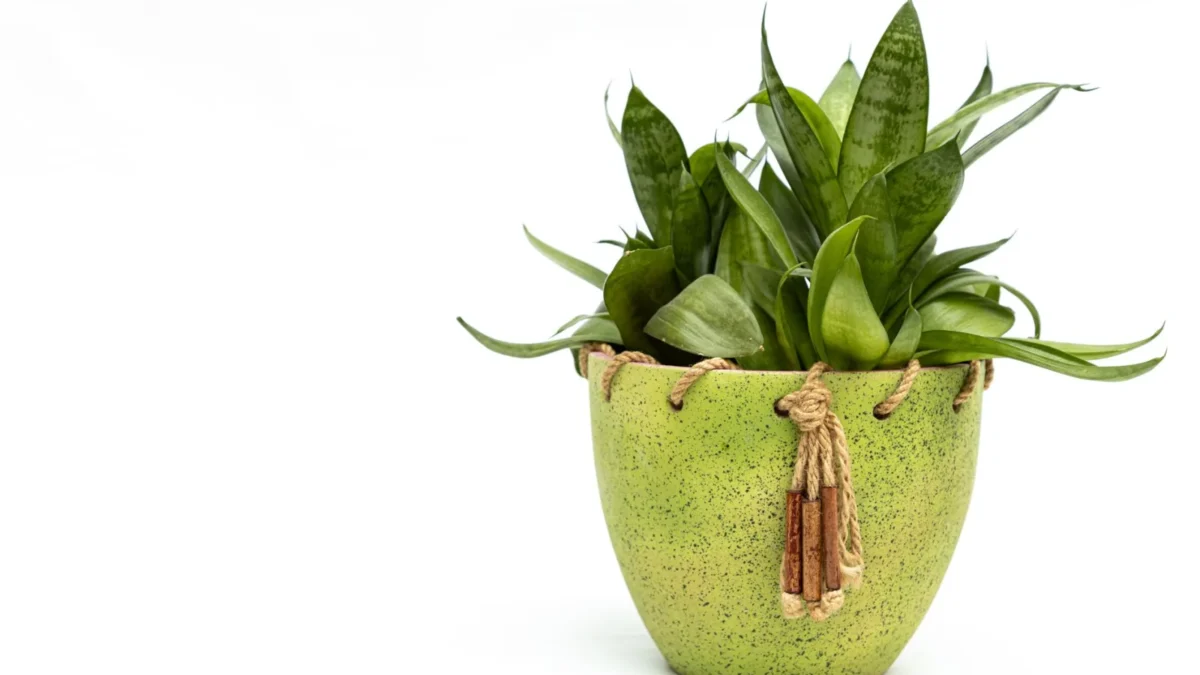
Quick answer: Air purifying indoor plants for home include snake plant, spider plant, peace lily, pothos, and areca palm, which remove common toxins like formaldehyde and benzene from the air. However, you’d need roughly 680 plants in a typical 1,500 square foot house to match the air flow of a couple of open windows. Even so, indoor plants offer real benefits: they can improve your sense of comfort and wellbeing, and in some cases slightly influence humidity and your indoor environment.
Which air purifying plants work best for different rooms
For bedrooms: Snake plant and spider plant are the top choices. Snake plant absorbs carbon dioxide and releases oxygen at night, making it especially useful where you sleep. Spider plant removes formaldehyde and carbon monoxide and survives low light and dry indoor air.
For living rooms: Golden pothos and peace lily are recommended. Pothos is forgiving, fast-growing, and clears common household pollutants well. Peace lily removes ammonia, benzene, formaldehyde, and other toxins, increases humidity slightly, and is one of the few that flowers indoors. For extra air quality benefit, areca palm produces a large amount of oxygen and is safe for pets.
For offices: ZZ plant and philodendron handle fluorescent light and irregular watering. Pothos also works well in a brighter office near a window.
Care guide for top air purifying plants
Snake plant: Needs bright indirect light, well-drained soil in a pot with drainage holes, and water every 2 to 4 weeks in warm months, 4 to 8 weeks in winter. Its main weakness is root rot.
Spider plant: Water every 1-2 weeks, letting soil dry slightly between waterings; overwatering causes root rot. Prefers medium to bright indirect light but adapts to low light. Baby plantlets can be potted up to share.
Pothos: Give bright, indirect light and water only after the soil dries. Use loose, well-drained soil with drainage holes. Propagate easily from stem cuttings at any node.
Peace lily: Prefers evenly moist soil that dries slightly between waterings—not soggy. Works well in bathrooms, bedrooms, living rooms with low light, and spaces near new carpets where off-gassing is common.
Common problems and fixes
Yellowing leaves: Usually from overwatering. Stop watering and let the soil dry until the top 2 inches are dry; empty any saucer so roots don’t sit in water; raise humidity with a pebble tray or humidifier; switch to filtered water and water consistently.
Brown tips: Often from underwatering or low humidity. Repeated crisping may signal dry air, inconsistent watering, or salt buildup from fertilizer or tap water.
Drooping leaves: Check the soil—drooping means a water problem, but you need to feel it to know if it’s thirst or root rot. For pothos, increase humidity by misting or using a humidifier, and water to keep soil moist but not soggy.
Sticky residue or black mold on drooping leaves: May indicate aphids, mealy bugs, scales, or whiteflies.
Pet safety
Spider plant is completely safe for pets and children. Pothos is toxic and causes oral irritation, drooling, and vomiting; keep on high shelves or pet-free rooms. Snake plant is mildly toxic and can cause nausea and digestive upset. Peace lily is toxic to both cats and dogs, causing oral irritation and burning sensations. If you suspect your pet has ingested a toxic plant, contact your veterinarian or call the ASPCA Animal Poison Control Center at (888) 426-4435.
Sources
- Best Air-Purifying Houseplants: What NASA Actually Found (and What the
- You Asked: Can Indoor Plants Really Purify the Air?
- Top 10 Best Indoor Air-Purifying House Plants with Names
Photo: Boris Hamer / Pexels, Pexels