Best Low-Maintenance Air-Purifying Indoor Plants
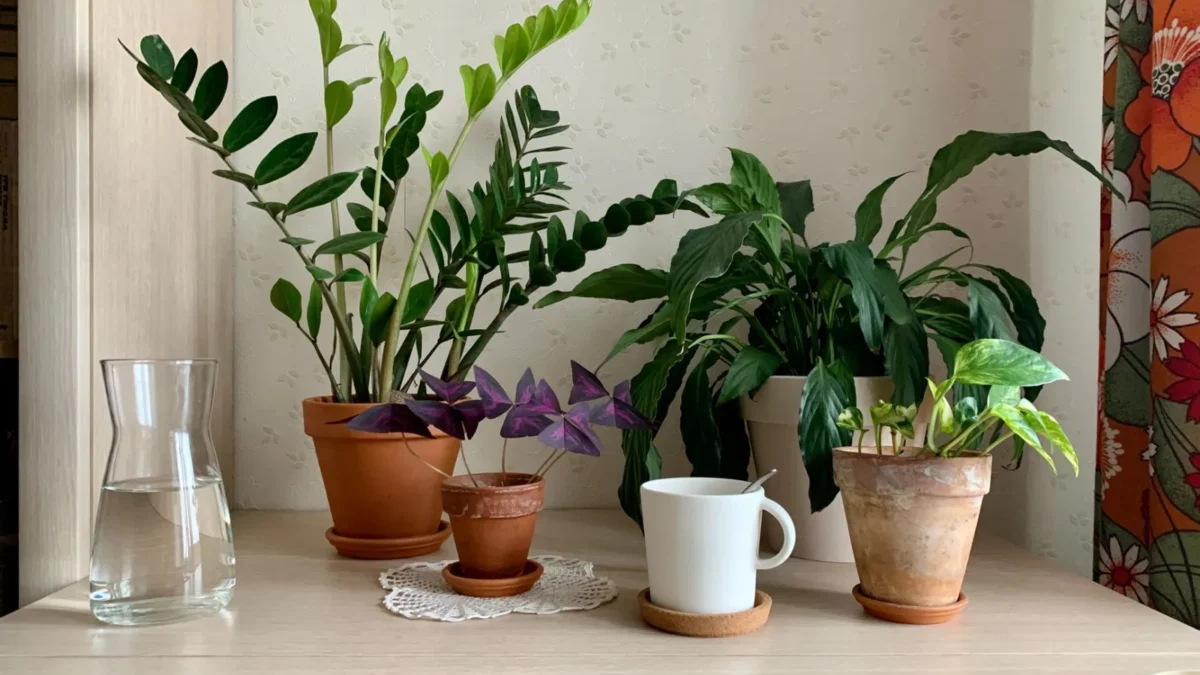
Quick answer: Spider plants, snake plants, pothos, and peace lilies are the best low-maintenance air-purifying indoor plants. While houseplants offer aesthetic and mood benefits, their air-purifying ability is modest compared to mechanical filtration. However, studies have shown these species can remove some common indoor pollutants.
Top Low-Maintenance Air-Purifying Plants
These four plants consistently perform well indoors with minimal fuss:
Spider Plant ranks among the easiest air-purifying houseplants. It thrives in bright to medium indirect light and needs water only when the top 1 to 2 inches of soil feel dry. Use well-draining potting soil—adding perlite to standard bagged soil helps. One plant produces many ‘pups’ in a growing season, making propagation simple. It’s completely safe for cats and dogs.
Snake Plant tolerates a wide range of conditions, though it prefers bright, indirect light. Allow soil to dry completely between waterings to prevent root rot, which is the main threat to this plant. Use well-draining soil. Note that snake plant is toxic to pets.
Golden Pothos (Pothos) performs well in bright, indirect light but tolerates lower light levels. Water thoroughly when the top 1.5 to 2 inches of soil have dried out. It grows in any well-draining soil—loamy or sandy soil works, but avoid clay.
Peace Lily handles lower light than most air-purifying plants, making it ideal for dimmer rooms. Water when the top 2–3 cm of soil is dry; keep soil moist but not soggy. It thrives with occasional misting or a humidifier. Peace lily is toxic to cats and dogs.
Common Problems and Solutions
Yellow leaves usually signal overwatering—check if soil is soggy. Other causes include poor light, natural aging of lower leaves, or nitrogen deficiency showing as pale yellow across the whole plant.
Brown leaf tips most often result from tap water minerals (chlorine and fluoride), low humidity, or fertilizer salt buildup. Brown crispy tips are almost always caused by low humidity, especially in tropical plants. Trim them at an angle with sterile scissors—the leaf will still photosynthesize normally.
Drooping leaves usually mean a water problem: either the plant is too dry or sitting in waterlogged roots from overwatering.
Spider mites are common pests that thrive in dry air. Wash the plant vigorously with water, which is particularly effective for spider mites. Increase humidity around the plant to deter them. For persistent infestations, use horticultural oil, neem oil, or insecticidal soap.
Mealybugs are small, waxy insects that suck sap and leave sticky honeydew. For small infestations, dab them with an alcohol-soaked Q-tip. Insecticidal soaps, horticultural oils, and neem oil also work on immature mealybugs. Check plants regularly to catch infestations early.
Placement and Maintenance Tips
Place at least one plant per 100 square feet of living space and match each species to your available light—from bright south-facing windows to dim hallways. Standard room conditions of 65°F to 75°F with 30% to 50% humidity suit most air-purifying plants. Repot peace lilies every 2–3 years as they grow.
Sources
- Exciting Houseplant Selections for Beginners
- Peace Lily & ZZ Bundle of TWO
- 7 Best Air-Purifying Houseplants According to NASA (and What the Research Actually Says)
Photo: Elena Golovchenko / Pexels, Pexels