Arrowhead Plant Syngonium podophyllum
Arrowhead Plant Care: The Complete Guide
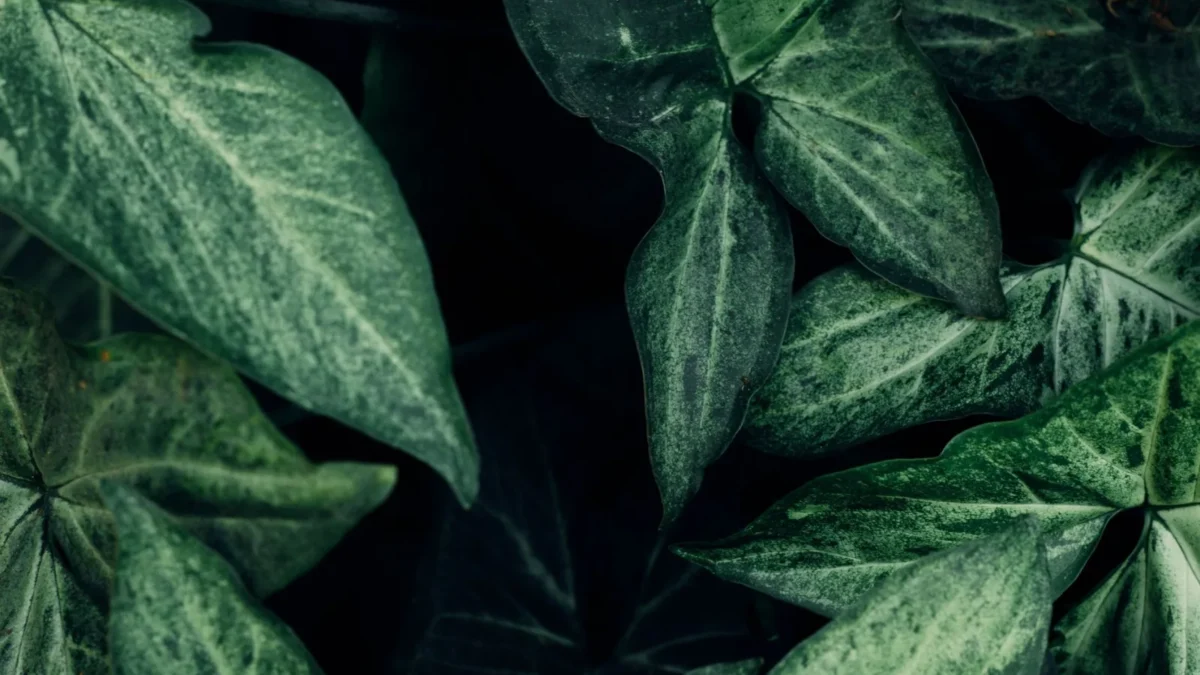
Arrowhead plant care is straightforward once you understand a few key requirements. This tropical houseplant thrives indoors with bright indirect light, moderate watering, and high humidity—making it an excellent choice for both beginners and experienced plant parents. In this guide, you’ll learn everything needed to keep your arrowhead plant healthy, vibrant, and growing beautifully.
| Botanical name | Syngonium podophyllum |
|---|---|
| Light | Bright indirect light; tolerates lower light but variegation fades |
| Watering | Water when top few cm of soil is dry; reduce in winter |
| Humidity | High humidity; place on tray of wet pebbles or humidified room |
| Temperature | Minimum 15°C (59°F) winter; maximum 38°C (100°F) summer |
| Soil | Soil-based potting mix; free-draining |
| Feeding | Balanced liquid fertilizer every 3-4 weeks during growing season |
| Size | Up to 1 foot tall; vining branches up to 2 feet long |
| Difficulty | easy |
| Cats | ⚠️ toxic — Insoluble calcium oxalates; oral irritation, swelling, drooling |
| Dogs | ⚠️ toxic — Insoluble calcium oxalates; oral irritation, swelling, drooling |
Key points
- Keep your arrowhead plant in bright indirect light; it tolerates lower light but variegation fades without adequate brightness
- Water when the top few centimetres of soil becomes dry; reduce watering in winter
- Provide high humidity by placing the pot on wet pebbles or using a humidifier
- Maintain minimum winter temperatures of 15°C (59°F) and avoid exceeding 38°C (100°F) in summer
- Use soil-based potting mix and feed with balanced liquid fertiliser every 3–4 weeks during the growing season
- The plant is toxic to cats and dogs; keep it away from pets
Light Requirements for Arrowhead Plants
Arrowhead plants prefer bright, indirect light. Direct sunlight should be avoided, as it can scorch the leaves.
The plant can tolerate lower light conditions, but this affects its appearance. When light levels drop, the variegation or colour intensity of the leaves becomes less vibrant. If you notice your arrowhead plant’s leaves losing their distinctive patterns or becoming mostly green, it’s likely telling you it needs brighter conditions. A bright windowsill with a sheer curtain, or a spot a few feet from a north-facing window, works well.
For variegated cultivars especially, bright filtered light produces the most striking foliage.
Watering Your Arrowhead Plant
Watering rhythm is essential for healthy arrowhead plant care. Water when the top few centimetres of compost becomes dry. To check soil moisture, stick your finger about 1–2 inches into the soil; if it feels wet, hold off on watering until the top layer starts to dry out.
The plant likes evenly moist compost but is somewhat drought tolerant, meaning occasional lapses won’t kill it. During the growing season (spring and summer), water regularly. As temperatures drop in autumn and through winter, reduce watering.
Overwatering and underwatering
Both extremes cause problems. When soil is too wet, roots suffocate and begin to rot. Root rot prevents the plant from absorbing the nutrients and water it needs, causing it to weaken and droop. If the soil still feels wet 10 or more days after watering, overwatering is the likely cause of drooping leaves.
Dry roots cannot keep the foliage filled and firm. The solution is straightforward: match your watering to the soil’s dryness, not a fixed schedule. Most plants need water every 7–10 days when the top half of soil is dry.
Humidity and Temperature Needs
Arrowhead plants naturally thrive in humid environments. High humidity keeps leaves plump and reduces stress. Place the pot on a tray of wet pebbles to create a humid microclimate around the plant. Alternatively, group plants together or use a humidifier in the room.
Temperature requirements
Maintain a minimum winter temperature of 15°C (59°F). In summer, the temperature should not exceed 38°C (100°F), and in winter it should not drop below 0°C (32°F).
Cold stress is real. A windowsill that gets cold at night, an air-conditioning vent, or a cold tap-water drench can shock the roots and cause leaves to droop, yellow, or develop brown patches overnight. Use room-temperature water and avoid placing the plant in draughty spots.
Soil and Repotting Guide
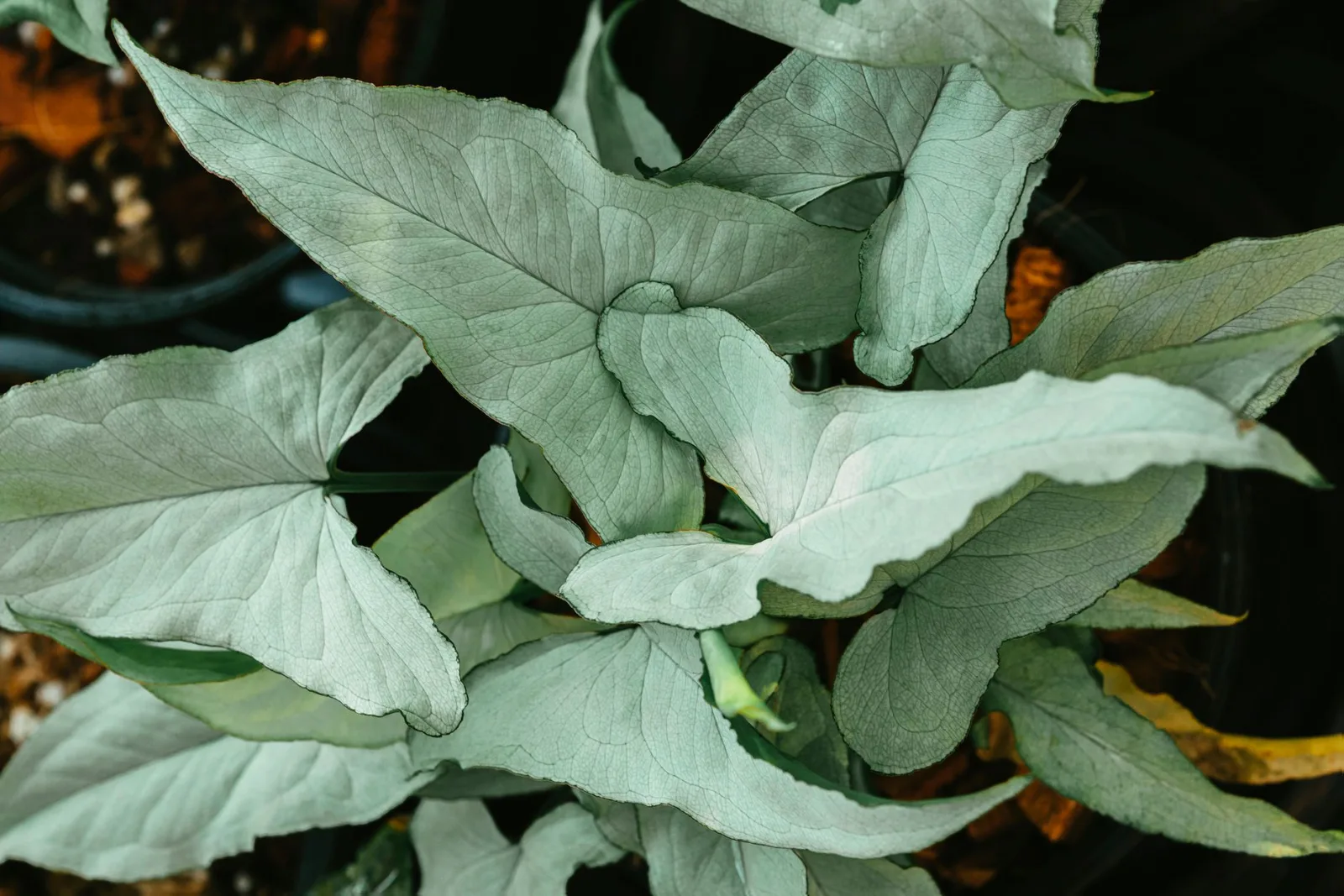
Arrowhead plants grow best in a soil-based potting mix. The mix must be free-draining to prevent waterlogging. A chunky, well-draining mix ensures water passes through quickly rather than pooling around roots.
Use a pot with a drainage hole—non-negotiable for preventing root rot. As the plant matures, you may need to repot every 12–18 months if it becomes root-bound, though arrowhead plants aren’t fussy about pot size.
Feeding and Fertilizing
During the growing season (spring through early autumn), apply a balanced liquid fertiliser every 3–4 weeks. This steady nutrition supports vigorous growth and vibrant leaf colour.
In winter, skip fertilising or reduce frequency to once every 6–8 weeks. The plant’s growth slows dramatically during cooler months, so it needs less nutrition. Resume regular feeding when new growth appears in spring.
Pruning and Training Your Arrowhead Plant
Arrowhead plants develop vining branches that can reach up to 2 feet long, creating a trailing or climbing habit. Mature specimens reach about 1 foot tall.
You can grow the plant on a moss pole to encourage upright, climbing growth, or in a hanging basket for a cascading effect. Pinching out the growing tips regularly encourages bushier, fuller growth with more side shoots. Simply remove the topmost leaf and stem tip with your fingers or clean scissors.
Remove any leggy or bare stems to redirect energy to fuller areas. Pruning also improves air circulation around the plant, reducing pest and disease problems.
Propagating Arrowhead Plants
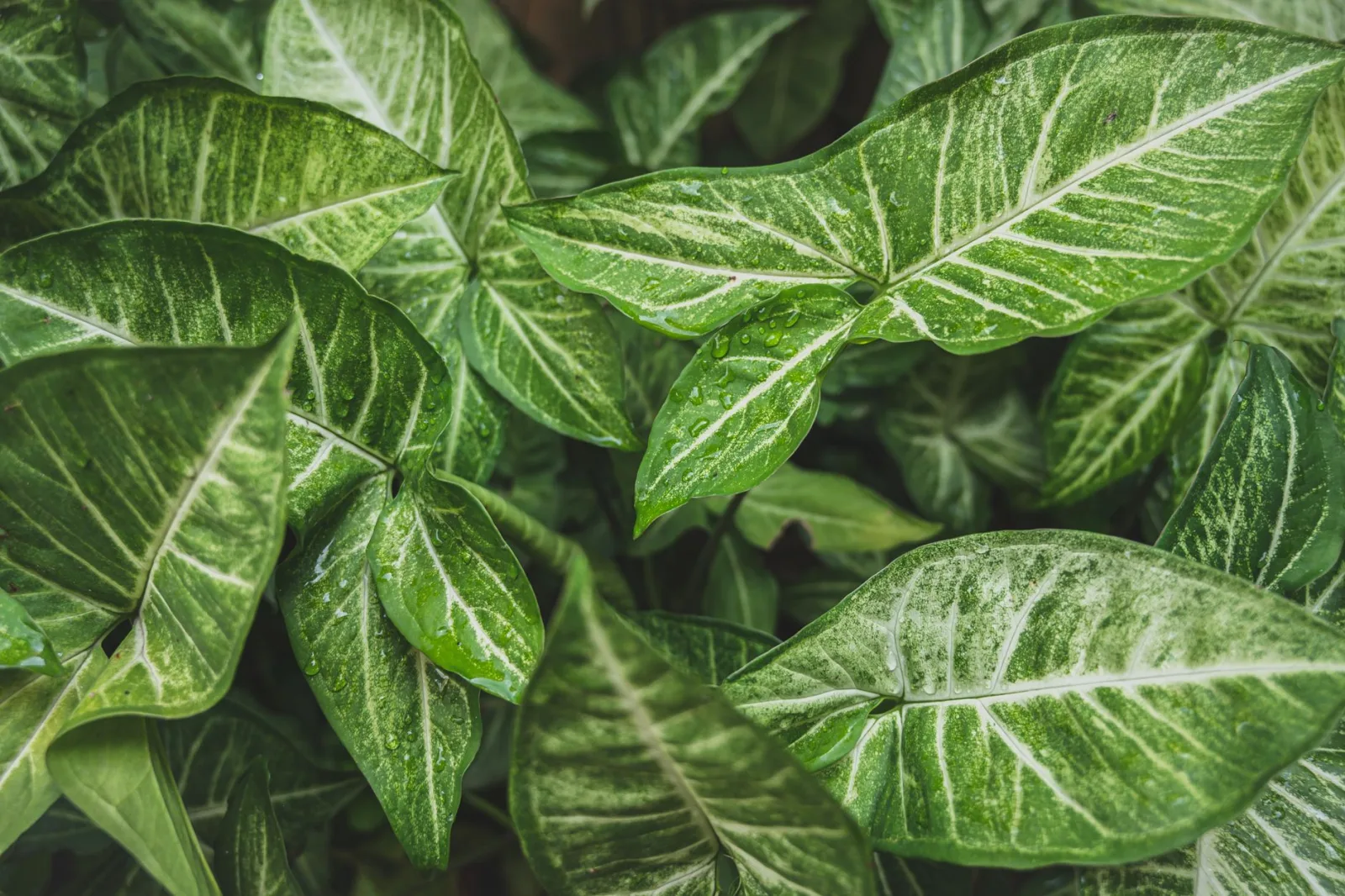
Arrowhead plants propagate easily from stem cuttings. This is one of the easiest houseplants to multiply, making it perfect for sharing with friends.
Water propagation
- Choose a healthy stem with at least 2–3 leaves and nodes, about 4–6 inches long.
- Cut just below a node using a clean, sharp knife or scissors.
- Remove the bottom leaves to expose the nodes—these will form roots.
- Pop the cutting in a jar of filtered water on a bright windowsill.
- Change water weekly.
- Roots should start to form within a few weeks. Transplant to soil once roots reach 2 inches, typically after 2–4 weeks.
Soil propagation
- Prepare a pot filled with moist, well-draining potting mix.
- Follow steps 1–3 above for cutting and preparing the stem.
- Plant the cutting in the soil.
- Roots should develop within a few weeks.
Important: nodes are essential
Arrowhead plants require a stem cutting with at least one node (the point where leaves emerge). A leaf alone may survive in water but will never grow roots or new leaves. Always include at least one node in your cutting to ensure successful propagation.
Common Problems and Solutions
Drooping leaves
Drooping is usually caused by overwatering or low humidity. Check soil moisture first—if it’s soggy, hold off watering. If soil is dry, humidity may be the culprit; arrowhead plants naturally thrive in humid environments, so low humidity levels can cause their leaves to droop. Increase humidity by misting, using a humidifier, or placing the plant on wet pebbles.
Cold stress also causes drooping. Avoid placing the plant near cold windows, air-conditioning vents, or watering with cold water.
Root rot
Root rot develops when soil stays wet for extended periods. Remove the plant from its pot and inspect the roots; signs include droopy, yellowing leaves and soft, mushy roots with an unpleasant odour from the soil. Trim away rotted roots with clean scissors, repot in fresh, dry soil-based mix, and adjust your watering schedule.
Leaf spots
Leaf spots are caused by various fungi or bacteria and can spread quickly if not addressed. Remove affected leaves promptly to prevent spreading; improve air circulation around the plant, and avoid overhead watering to keep the foliage dry.
Spider mites
Spider mites may leave delicate webs between stems and leaves. These pests thrive in dry conditions, so increase humidity around the plant. Misting the foliage and grouping plants together also helps.
Mealybugs
Mealybugs appear as white, fluffy egg masses or sticky honeydew on the plant. Isolate the affected plant and spray affected areas with insecticidal soap or neem oil, following product instructions.
Scale insects
Arrowhead plants infested with scale will have yellow, drooping foliage, and the pests will appear as small, brown lumps on the stems and undersides of leaves. Remove scales with a soft cloth dipped in rubbing alcohol, or use neem oil for larger infestations.
Is Arrowhead Plant Toxic to Pets
Toxicity to cats
The arrowhead plant is toxic to cats. The toxic principle is insoluble calcium oxalates. Clinical signs include oral irritation, pain and swelling of mouth, tongue and lips, excessive drooling, vomiting, and difficulty swallowing. Keep the plant out of reach of curious cats.
Toxicity to dogs
The plant is equally toxic to dogs. The toxic principle is insoluble calcium oxalates. Clinical signs include oral irritation, pain and swelling of mouth, tongue and lips, excessive drooling, vomiting, and difficulty swallowing. Place your arrowhead plant on a high shelf or in a room your dog cannot access.
If you suspect your pet has ingested any part of the plant, contact your veterinarian or poison control immediately.
FAQ
How often should I water my arrowhead plant?
Water when the top few centimetres of soil becomes dry, roughly every 7–10 days depending on conditions. Reduce watering in winter.
Can arrowhead plant survive in low light?
Yes, it can tolerate lower light conditions, but variegation fades without bright indirect light. Move it to a brighter spot if leaves lose their distinctive colour and patterns.
Is arrowhead plant easy to care for?
Yes, it is a good low-maintenance indoor plant. Once you establish a watering rhythm and provide moderate humidity, it thrives with minimal fussing.
How big does an arrowhead plant grow?
Mature houseplant specimens reach up to 1 foot tall with vining branches up to 2 feet long. The exact size depends on growing conditions and how you prune or train it.
What’s the scientific name for arrowhead plant?
The scientific name is Syngonium podophyllum, in the family Araceae.
Can I propagate an arrowhead plant from a single leaf?
No. Arrowhead plants require a stem cutting with at least one node; a leaf alone will not grow roots or new leaves. Always include a node (the point where leaves emerge) in your cutting.
More about Arrowhead Plant
Sources
- Care tips for thirsty houseplants at the RHS Urban Show 2024 / RHS
- Syngonium podophyllum – Plant Finder
- Syngonium podophyllum
Photo: Pablo Alférez / Pexels, Pexels