Best Soil for Jade Plants Indoors
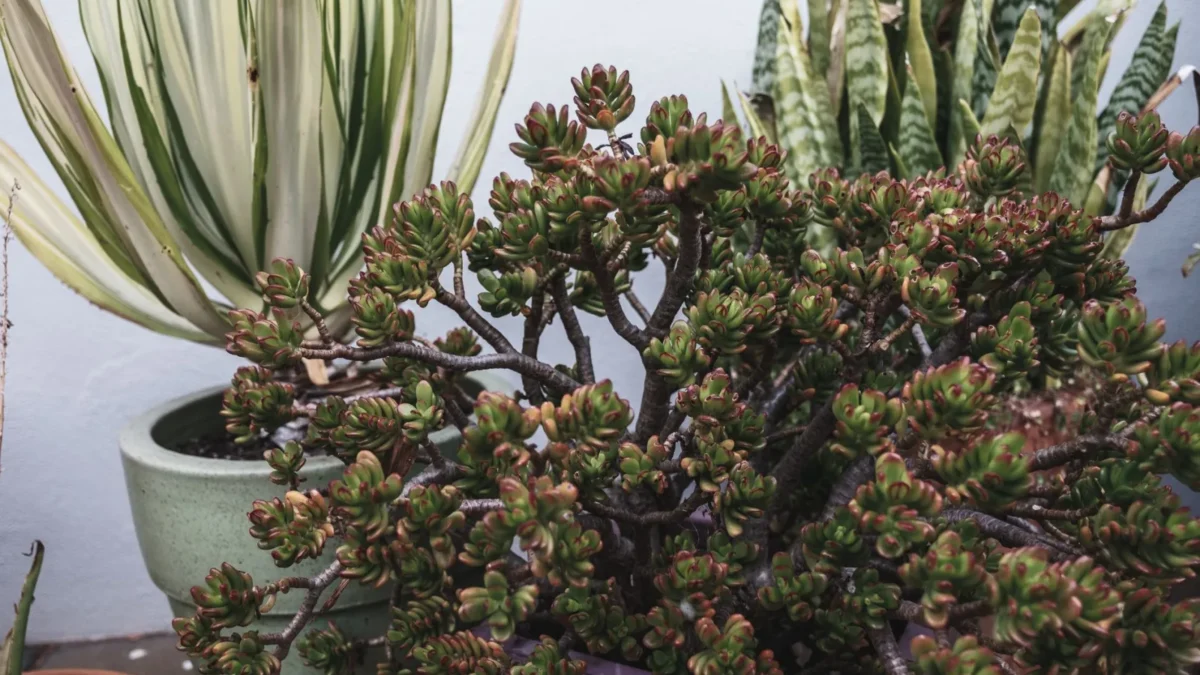
Quick answer: The best soil for jade plants indoors is a well-draining cactus or succulent mix that allows water to move through quickly. Jade plants are intolerant of moist, poorly-drained soils, so drainage is non-negotiable—regular potting soil holds too much moisture and causes root rot.
Why Drainage Matters for Jade Plants
Jade plants are succulents that store water in their leaves and stems. When soil stays wet, the roots suffocate. Soggy soil creates an anaerobic environment—one without oxygen—that kills the plant and encourages bacterial and fungal rot. Overwatering combined with poor drainage causes wilted, discolored leaves, rubbery branches that snap off, and eventually stem collapse if rot reaches the base.
Your soil choice directly prevents these problems. Jade plants thrive in slightly acidic to neutral soil with a pH range of 6.0 to 7.0, and they prefer a loose, rocky substrate that mimics their native mineral hillside habitat.
Soil Recipes for Indoor Jade Plants
Pre-mixed option: Choose a potting mix specifically designed for succulents and cacti. These are formulated for the fast drainage jade plants need. Avoid any mix labeled “moisture control” or “extended moisture release”—these hold water longer, which is exactly wrong for jade.
DIY recipes:
– Simple mix: Mix two parts standard potting soil with one part perlite or sand.
– Fuller recipe: Combine 3 parts potting soil, 2 parts coarse sand (or turface or poultry grit), and 1 part perlite or pumice. This ensures fast drainage, slight acidity, and nutrient balance.
– Premium mix: Use 2 parts cactus mix, 1 part perlite, and 1 part coarse grit.
Charcoal can be added to improve drainage and absorb impurities. Create a drainage layer of clay shards or expanded clay at the bottom of your pot to prevent waterlogging.
pH and Nutrient Considerations
If your potting mix doesn’t list pH on the package, mix in two tablespoons of ground limestone per gallon of soil; jade plants prefer a pH around 6.5. Jade plants need relatively low fertilizer and low-nutrient soil.
Pot Choice and Repotting
Use a pot with drainage holes at the bottom—this is essential. Terracotta pots are ideal because they allow moisture to evaporate more quickly than plastic or glazed containers. Jade plants have small, shallow root systems and prefer snugger pots; oversized pots with excess soil mass lead to overwatering.
Repot every 3 to 4 years in spring, the start of the growing season. When repotting, wait 3–7 days before watering, or water 5–10 days before repotting.
Quick Fix: If Root Rot Develops
Repot into fresh, dry, free-draining mix in a clean pot with a real drainage hole and chunky texture (add perlite or bark). Discard the old soil and bleach-rinse the pot—old soil re-infects. Trim infected roots and treat with fungicide.
Sources
- Crassula ovata – Plant Finder
- Jade Plant (Crassula ovata) Care Guide 🌟 – Healthy Houseplants
- Gardening Help FAQs
Photo: Lachlan Ross / Pexels, Pexels