DIY Potting Soil for Houseplants: Simple Recipes and Custom Blends
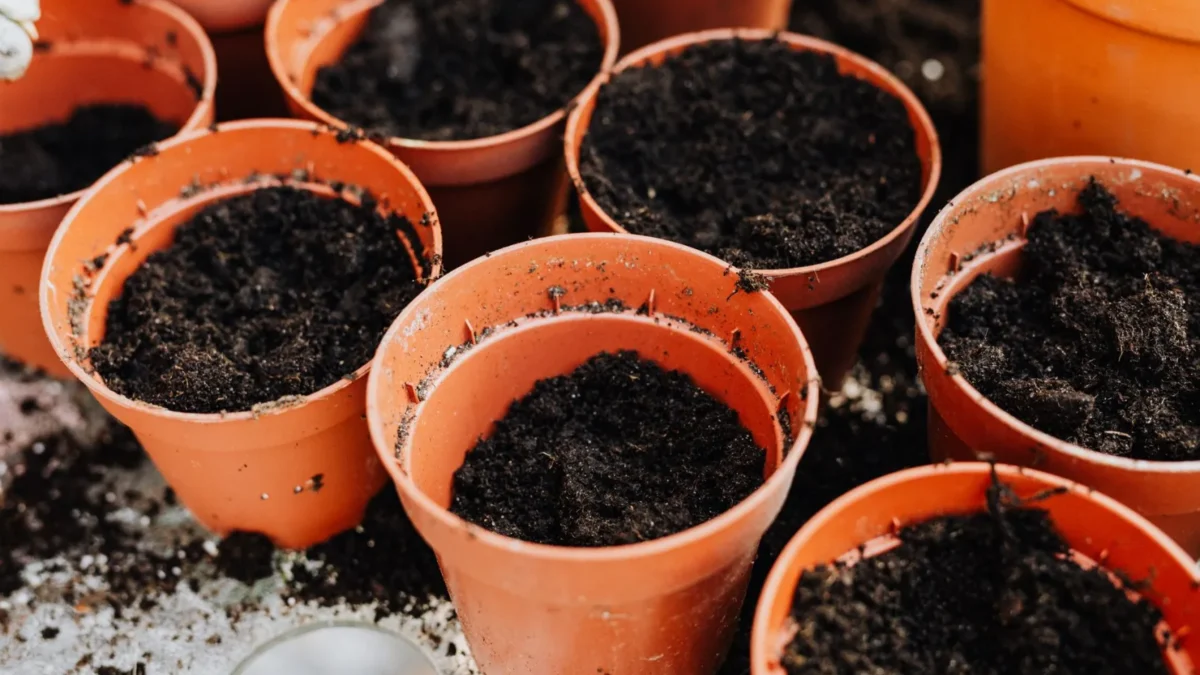
Quick answer: Making your own potting soil for houseplants is an easy and inexpensive way to get exactly the right mix for your plants. You’ll save significantly—a 40-pound bag of commercial all-purpose potting soil costs around $15, while the same amount of homemade mix costs less than $5.
Why Make Your Own Potting Soil
When you make your own, you choose ingredients that suit your plants’ needs and can customize the mix to provide better drainage or hold more moisture depending on your climate and plant type. You can also use high-quality, organic ingredients and avoid the chemicals and additives commonly found in many commercial brands.
Commercial bagged soils vary greatly in quality, and their fertilizer strength can sometimes be toxic to plants and cause root burns.
Understanding the Basics
The most important thing to understand about potting soil is that it doesn’t actually contain real soil. Instead, a good potting mix needs three key things: a base like peat moss, something for aeration like perlite, and a nutrient source like compost.
Base ingredients:
Sphagnum peat moss is the primary ingredient in most potting soils—it’s stable, widely available, inexpensive, and holds water fairly well once wet. However, it’s very low in nutrients and acidic, typically ranging between 3.5 and 4.5 pH.
Coco coir, a by-product of the coconut industry, looks and acts like peat moss but contains more nutrients and lasts longer, though it’s more expensive. Coco coir comes dried in compressed bricks that need to be wetted before use—it can absorb up to 10 times its weight in water.
Aeration ingredients:
Perlite is a heated volcanic rock that expands into small white balls. It holds three to four times its weight in water and improves drainage. Vermiculite is a golden-brown mineral that adds aeration and has the unique ability to absorb and hold water and nutrients, releasing them back to the plant as needed.
Nutrients:
Compost adds slow-release nutrition and biological activity (homemade compost is best). Compost is rich in organic matter, which enhances soil structure and drainage.
Simple DIY Recipes
Universal mix for most houseplants:
Mix 30% peat moss, 30% compost, 15% coarse perlite, 15% vermiculite, and 10% biochar (optional).
Alternatively, some gardeners mix about 3 parts compost to 1 part perlite or rice hulls.
For tropical houseplants:
Most tropical houseplants do well in a quality indoor potting mix amended with materials such as perlite or orchid bark to improve aeration and drainage.
For succulents:
The best mix for succulents is fast-draining and gritty, made of over 50% inorganic material like pumice or perlite. A highly effective DIY succulent mix follows a 2:1 ratio: two parts inorganic material to one part organic material. You need just 3 ingredients: 3 parts potting soil, 2 parts coarse sand (turface or poultry grit), and 1 part perlite. A “part” is any unit of measure—for example, if you use a 1-cup measure, this recipe converts to 3 cups potting soil, 2 cups sand, and 1 cup perlite.
For orchids:
Orchids grow best in a soilless blend containing sphagnum moss, bark chippings, and perlite.
For aroids and most houseplants:
Use 2 parts coco peat, 1 part pumice, 1/4 part orchid bark, and 1/4 part activated charcoal.
Important Adjustments
If you’re using peat moss as your base, add about 1 tablespoon of garden lime to every gallon of peat to neutralize its acidity and bring pH to neutral 7 (unless you’re growing acid-loving plants).
Peat moss is usually packed dry, so be sure to pre-moisten it before mixing.
Use only horticultural-grade coarse sand—never fine sand, which compacts into hard sheets, and never sand from the beach, playground, or sandbox.
Storage and Shelf Life
Store unused potting soil in a clean, airtight container kept in a cool (40–70°F), dry, dark location away from direct sunlight and moisture. Never store damp soil long-term—it invites fungal growth and anaerobic bacteria. Discard any soil showing visible mold, foul odor, insect activity, or persistent clumping after drying.
Over time, organic materials in potting mixes break down and lose structure, affecting drainage and aeration. If soil has been stored for more than six months, revitalize it by mixing in fresh, balanced granular fertilizer or rich compost.
Sources
- DIY Potting Soil: 6 Homemade Potting Mix Recipes for the Garden
- How To Make Homemade Potting Soil
- 7 Easy DIY Potting Soil Recipes To Mix Your Own – Get Busy Gardening
Photo: https://kaboompics.com/ / Pexels, Pexels