Do All Houseplants Really Purify the Air? What the Science Actually Shows
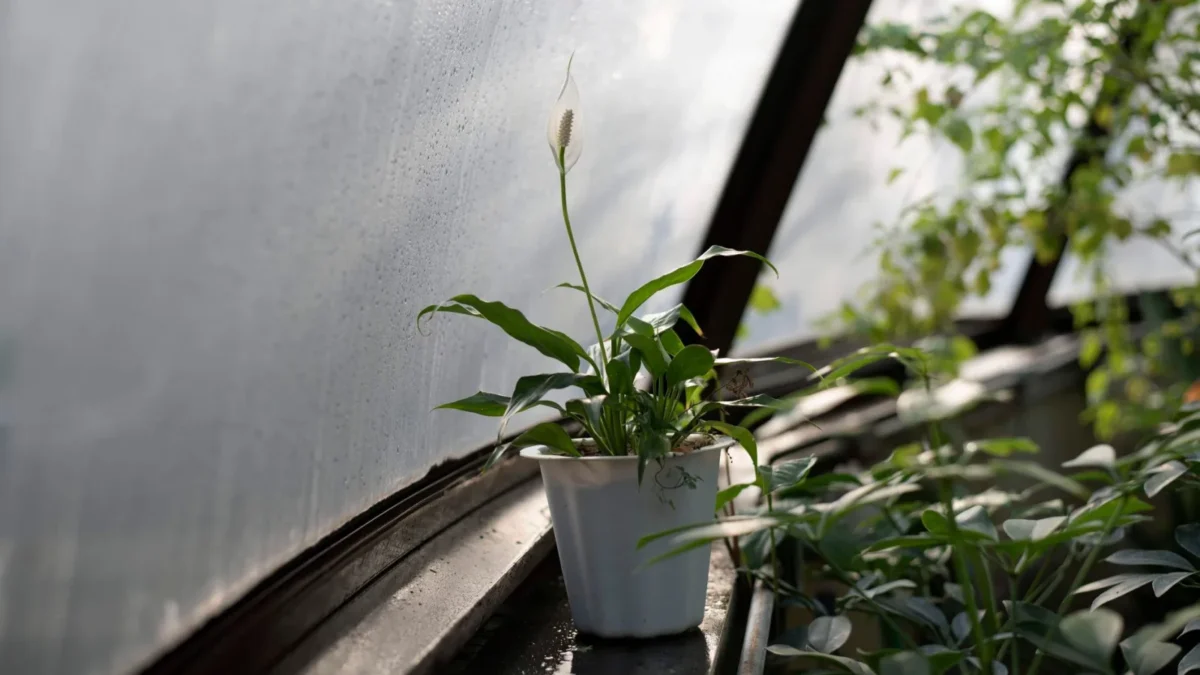
Quick answer: Not all houseplants purify the air, and even the ones that do remove toxins in sealed chambers are far too slow to make a real difference in your home. The belief that do all houseplants purify the air traces back to a 1989 NASA study, but that research was conducted in sealed chambers with no air exchange—nothing like a real living room.
Where the Air-Purifying Myth Started
The idea that houseplants clean indoor air comes from a seminal 1989 NASA study designed to find out if plants could scrub air in sealed environments like a space station. NASA researchers measured how well certain plants removed volatile organic compounds (VOCs) such as benzene, formaldehyde, and trichloroethylene. The study itself was legitimate, peer-reviewed research conducted by a respected scientist, and the findings were accurate within the study’s parameters.
However, while the original authors only speculated that indoor air purification might be possible, mainstream articles have since presented that speculation as proven fact. The recommendation of “one plant per 100 square feet of home or office space” has been widely repeated, even though the experimental setup didn’t support that extrapolation to real homes.
Why Lab Results Don’t Work in Real Rooms
The critical flaw: the NASA study used enclosed chambers with little to no normal air exchange, where pollutants stayed trapped close to the plant, giving far more contact time than they would ever get in a ventilated home. Chamber air exchange in the study was zero, while real-room air exchange is 0.5 to 2 times per hour.
The numbers tell the story. Spider plants removed 95% of formaldehyde from a sealed chamber in 24 hours—impressive in isolation. But a houseplant cleans about 0.023 cubic meters of air per hour, which is next to nothing in a room you actually live in. Plants remove VOCs so slowly they can’t compete with the air exchange mechanisms already happening in buildings.
How Many Plants Would You Actually Need?
A 1,500 sq ft home would need around 400 large plants to remove most of the tested chemicals—something that is not practical. A 2019 meta-analysis at Drexel University showed that extrapolating to a real room would require 100–1,000 plants per square metre to match the air cleaning of simply opening a window.
The EPA agrees: there is currently no evidence that a reasonable number of houseplants remove significant quantities of pollutants in homes and offices.
What Actually Works for Indoor Air
The single most impactful, and cheapest, step is upgrading your HVAC filter to MERV 13, which costs about $15 to $30 per filter and substantially reduces fine-particle levels in most homes. The second most impactful step is increasing ventilation through mechanical or strategic window opening, which cuts CO2, VOCs, and moisture at the same time. A True-HEPA purifier captures up to 99.97% of fine particles like PM2.5, wildfire smoke, dust and pollen. For comparison, a modest mechanical air purifier can have a CADR of 100 or more, while a single houseplant’s CADR is often less than 1 cubic meter per hour.
Why Keep Houseplants Then?
Houseplants are not purifying air in any meaningful way, but they are reducing stress, improving mood, adding beauty to a space, and giving a rewarding hobby—benefits that are well-documented and genuinely valuable. They’re a powerhouse when it comes to enhancing mental well-being, fostering creativity, reducing stress, and increasing productivity. That’s worth growing them for—just not for air quality.
Sources
- Do Houseplants Actually Clean the Air? The NASA Study Explained
- Actually, Houseplants Don’t Clean the Air
- Debunked: Despite NASA Clean Air Study Claims, Houseplants Don’t Effectively Purify Air
Photo: Julissa Pires / Pexels, Pexels