Do You Need to Repot Houseplants? When and How to Tell
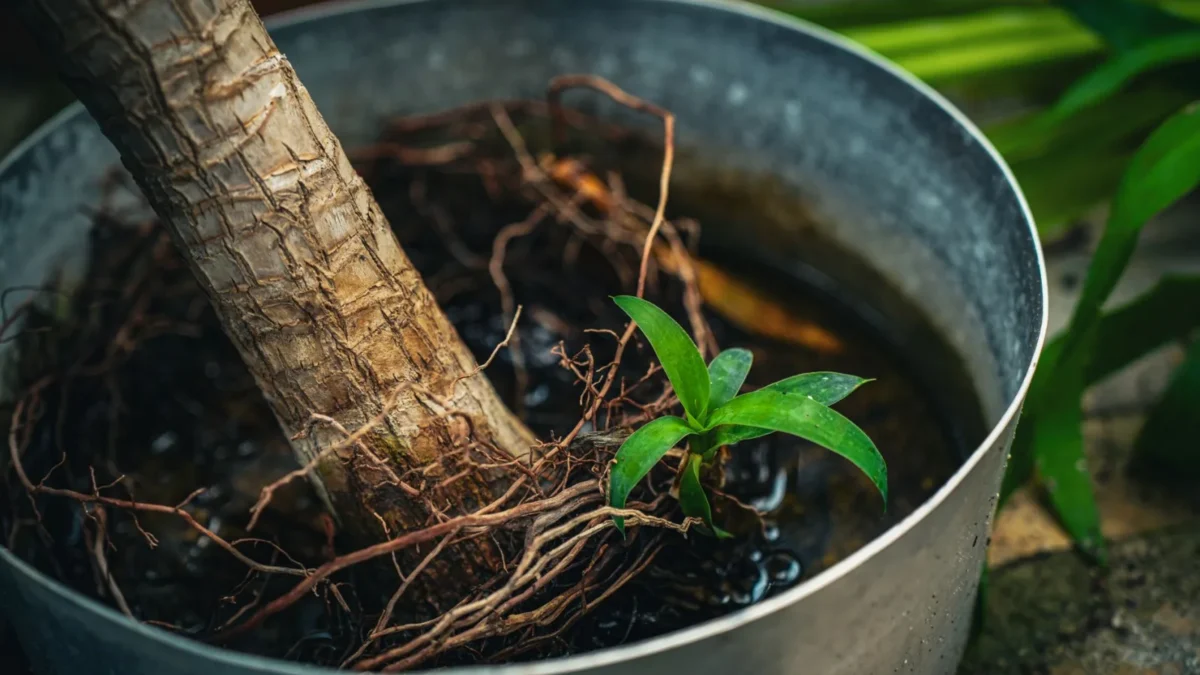
Quick answer: Most houseplants do need repotting, but not frequently—many only need it once every three to five years, and some slow growers can stay put even longer. Fast-growing plants like pothos and monstera may need repotting annually, while others barely need it at all. The key is watching for signs rather than following a schedule.
Signs your houseplant needs repotting
The clearest indicator is roots. If roots are growing out of the drainage holes, repotting time has arrived. You should also check the soil itself: if you can’t push your fingers into the growing medium because there are too many roots in the way, the plant has outgrown its home. A dense network of roots with very little potting mix remaining is unmistakable crowding.
Watch how your plant behaves, too. If the potting mix dries out much faster than similar plants nearby, if the plant looks top-heavy and prone to tipping over, or if it’s stopped growing and looks unhealthy for no obvious reason, repotting often helps. Small leaves and almost no new growth are also red flags. A white, salty crust on the soil surface means repot immediately and replace as much soil as possible.
One word of caution: a single root poking out of a drainage hole is not enough reason to repot. Look for the bigger picture before acting.
Repotting timing and supplies
Spring is the best time to repot, when plants are actively growing. Winter repotting should happen only for emergencies—severely root-bound plants or signs of root rot.
If you’ve just brought a new plant home, wait at least two to three weeks before repotting, especially if it was shipped. This gives the plant time to adjust.
You’ll need a pot that’s just one size larger—about 2 inches bigger in diameter—with drainage holes in the bottom. Never go bigger; oversized pots hold excess soil and water, which causes root rot. Grab fresh, high-quality potting mix designed for houseplants, never garden soil. For succulents, use succulent soil with gritty materials.
Which plants have different needs
Most plants follow the standard timeline, but a few stand out. African violets need repotting every six months if you want them to keep flowering. Succulents, on the other hand, prefer staying on the dry side and even like being a little root-bound, so repot them less often.
How to repot correctly
Water your plant a day before repotting to reduce stress. Place the pot on its side and gently pull the plant out, or grip the main stems close to the soil and lift carefully.
Loosen the roots gently with your fingers to remove old soil. If roots are severely stuck, trim up to one-third of the root ball with clean shears. Add fresh potting mix to the bottom of your new pot, place the plant so its roots face down, then fill around the sides—but not above the original soil level on the rootball. Leave about an inch of space between the soil and the pot rim. Water thoroughly until it drains from the holes.
After repotting, wait 3–7 days before your first full watering, and don’t fertilize immediately—fresh roots need time to establish without the shock of fertilizer.
Sources
- Repotting Houseplants: How to Repot a Houseplant for Beginners
- Repotting Houseplants
- When to Repot Houseplants — Signs, Timing & Step-by-Step Guide
Photo: Yetkin Ağaç / Pexels, Pexels