The Easiest Houseplants to Care For
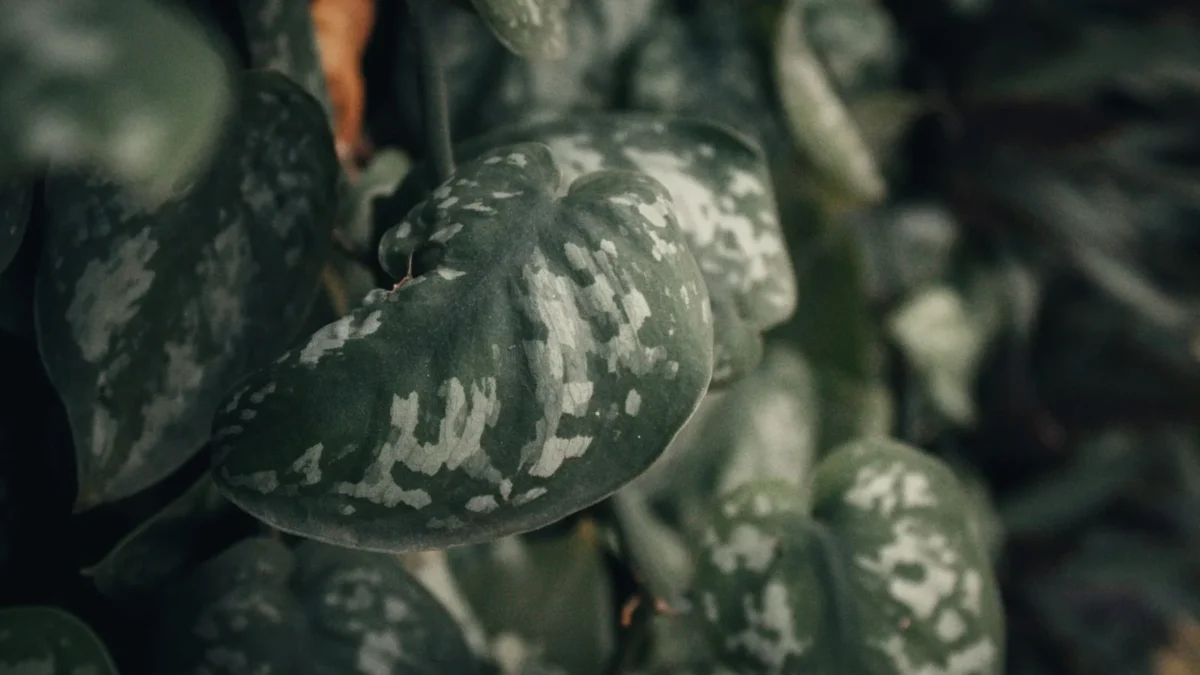
Quick answer: The easiest houseplants to care for are pothos, snake plants, ZZ plants, philodendrons, spider plants, and rubber plants—each tolerates neglect, adapts to varied light, and requires minimal attention from even new plant owners.
Why these plants thrive with minimal effort
These species succeed because they store water, tolerate low light, forgive irregular watering, and adapt readily to indoor conditions. You don’t need a special touch or perfect environment; the plant itself does the forgiving.
Pothos (Devil’s Ivy)
Pothos has heart-shaped leaves and trailing stems that make it visually appealing without demanding much. It’s not picky about soil and thrives in both bright and low light.
Light: Bright, indirect light is best, though pothos tolerates low light—though variegation may fade in dim conditions.
Water: Water only when the soil feels dry; sitting in wet soil causes root rot and yellowing leaves.
Soil: Use a well-draining potting mix, and mix in perlite or coco coir if you have it on hand for extra drainage.
Snake Plant (Sansevieria)
The snake plant is resilient and striking, with sword-like leaves that purify air. Over-watering is the main mistake—allow soil to dry completely between waterings. In winter, water once a month or less.
Light: Thrives in low, medium, or even high light; indirect light gives optimal growth.
Soil: Use a well-draining cactus or succulent mix with drainage holes to prevent root rot.
Temperature: Keep between 55 and 85°F for best results.
Repotting: Only repot every 2–3 years or when the plant outgrows its pot.
ZZ Plant
The ZZ plant is prized for elegant foliage and adaptability. Thick, waxy leaves store water, making it highly drought-tolerant. It’s tough, tolerates various light conditions, and suits anyone who forgets to water.
Light: Bright indirect light is ideal, but lower light is fine.
Water: Allow soil to dry out well between waterings; a slightly dry plant handles stress far better than a wet one. In warm, bright rooms, water every 1–2 weeks; in cooler or low-light spaces, every 2–4 weeks or longer.
Soil: Well-draining mix is crucial—use cactus mix or standard potting mix with generous perlite added for loose, gritty texture.
Pet safety: Contains calcium oxalate crystals that irritate if chewed; keep away from pets and young children.
Philodendron
Most philodendrons thrive on neglect, adapt to low light, and forgive irregular watering. Even inexperienced owners will succeed because these plants adapt readily to indoor conditions.
Light: Grow best in medium to bright light, but tolerate low light and should avoid direct sun, which scorches leaves.
Water: Water when the top inch of soil feels dry; these plants prefer evenly moist (not wet) soil but forgive occasional drying out.
Soil: Use peat-based, well-draining mix that retains moisture without waterlogging.
Temperature: Prefer indoor room temperatures; not cold hardy.
Spider Plant
Spider plants are perfect for beginners because care needs are simple. They are practically impossible to kill. They propagate easily from baby plantlets and thrive in normal room temperature.
Light: Needs plenty of bright, indirect light; direct sun scorches and browns leaves.
Temperature: Ideal range is 18–25°C (64–77°F).
Water: Water thoroughly when the top 1–2 inches of soil feel dry, keeping soil consistently moist but not soggy. Thick roots store water, so a good rule is to water when the top inch feels dry.
Soil: Use a general, all-purpose, well-draining potting mix.
Repotting: Repot about every other year as spider plants pot-bound fairly quickly.
Pet safety: Non-toxic to cats, dogs, and horses.
Rubber Plant
Rubber plants do best in bright light and free-draining potting mix. They require lots of bright light—place in a room with bright windows or near a south-facing window with a sheer curtain.
Water: Water thoroughly when the soil top has dried, then drain excess. Stick a finger 2 inches into soil; if dry, water; if wet, wait. The biggest mistake is watering while soil is still wet.
Soil: Use well-drained houseplant mix with an open drainage hole.
Temperature: Keep air temperature between 65–85°F, as rubber plants prefer warm, tropical conditions.
FAQ
What’s the most common reason these plants fail?
Overwatering. Most thrive on drought rather than constant moisture, and sitting in wet soil causes root rot across all these species.
Can I grow any of these in low light?
Yes—pothos, ZZ plants, and philodendrons all tolerate low light, though they grow more vigorously in brighter conditions. Spider plants and rubber plants need bright light to truly thrive.
Sources
- How to Grow and Care for Pothos (Devil’s Ivy): The Easiest Houseplant Ever
- Ultimate Guide to Caring for Your Snake Plant (Sansevieria)
- ZZ Plant Care: Watering, Light, Problems and Slow Growth
Photo: Editby Sinan / Pexels, Pexels