How to Get Rid of Fungus Gnats in Houseplant Soil
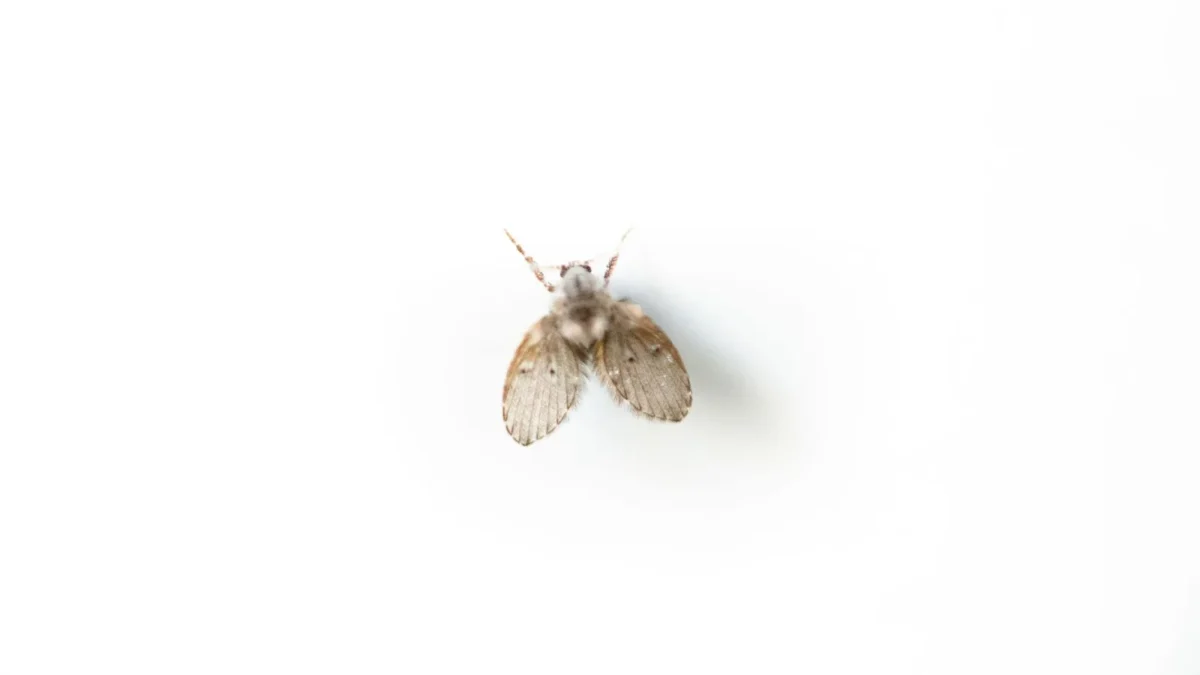
Quick answer: Fungus gnats in houseplant soil are tiny flying insects that lay eggs in moist soil, hatch into larvae that feed on roots, and complete their life cycle in about three weeks. Kill them by letting soil dry between waterings, using yellow sticky traps, Bti treatments, or neem oil—then prevent return by keeping soil drier and using pasteurized potting mix.
What fungus gnats are and why they infest soil
Fungus gnats are small pests about 1/16 to 1/8 inch long, with grayish-black bodies and gray or see-through wings that give them a mosquito-like look. Their larvae are white or translucent with tiny black heads.
They infest soil because adults are drawn to moisture. They lay up to 200 eggs on organic matter near the soil surface, and within three days the eggs hatch into larvae that burrow in to feed on fungi and decaying plant material. The larvae stage lasts 12 to 14 days, then they pupate in silk cocoons for five to six days before adults emerge. This short cycle means infestations explode quickly.
Potting soil itself is often the culprit—fungus gnats may already be living in the bag when you buy it because their short life cycle means they can infest soil before it reaches your home. Moist storage conditions make this worse.
How to identify a fungus gnat infestation
The first sign is usually a swarm of tiny flies around your plant right after watering. They may not be obvious until you disturb the leaves or water. Look for slime trails on the soil surface similar to snail trails.
To confirm their presence, insert thin slices of raw potato into the soil surface. Within a few days, larvae will feed on the slices; flip them over to see the white larvae underneath.
Infested plants show wilting, yellowing foliage, or stunted growth because larvae feed on roots in the top 2 to 3 inches of soil, interrupting water and nutrient uptake. Though gnats don’t bite humans or spread disease, they can spread Pythium (damping off) in seedlings.
How to eliminate fungus gnats completely
The most effective fix is simple: let the top 1 to 2 inches of soil dry out between waterings. This makes soil unappealing to egg-laying females and reduces survival rates for existing eggs and larvae.
Combine drying with these treatments:
-
Yellow sticky traps – Place them just above the potting mix. They capture flying adults and prevent more eggs.
-
Bti (Bacillus thuringiensis israelensis) – Use a soil treatment labeled with Bti. When you water, it’s released into soil where larvae ingest it and die.
-
Hydrogen peroxide solution – Mix one part 3% hydrogen peroxide with four parts water and pour over soil. It will fizz as it attacks larvae.
-
Neem oil – Spray leaves to kill adults and saturate soil to kill larvae.
-
Vinegar traps – Fill a shallow container with 1 part water and 1 part vinegar, add a few drops of concentrated dish soap, and leave uncovered.
-
Natural fungicides – Brew strong chamomile tea, cool it, mix with 4 parts water, and use to water plants; sprinkle cinnamon on the soil surface.
-
Repotting – Remove the top 2 inches of soil and replace with fresh sterile potting mix to eliminate remaining eggs and larvae. This is one of the most effective approaches.
How to prevent fungus gnats from returning
- Buy pasteurized potting mix only. Commercial heat-treated soil kills eggs and larvae.
- Water from the bottom using slow-drip globes to keep the top soil dry.
- Use fast-draining soil low in organic matter such as compost and peat.
- Add a surface layer of sand, gravel, vermiculite, or diatomaceous earth (¼ inch). Gnats won’t lay eggs in inert materials.
- Store unopened potting soil off the ground in closed containers. If bags are opened indoors, inspect them regularly for gnats.
- Don’t move infested plants around to other areas where emerging flies can spread to other pots.
Sources
- How to Get Rid of Fungus Gnats
- How to Identify and Get Rid of Fungus Gnats
- Fungus Gnats in Houseplants
Photo: Lucas Pezeta / Pexels, Pexels