How to Get Rid of Fungus Gnats in Houseplants: Identification and Treatment
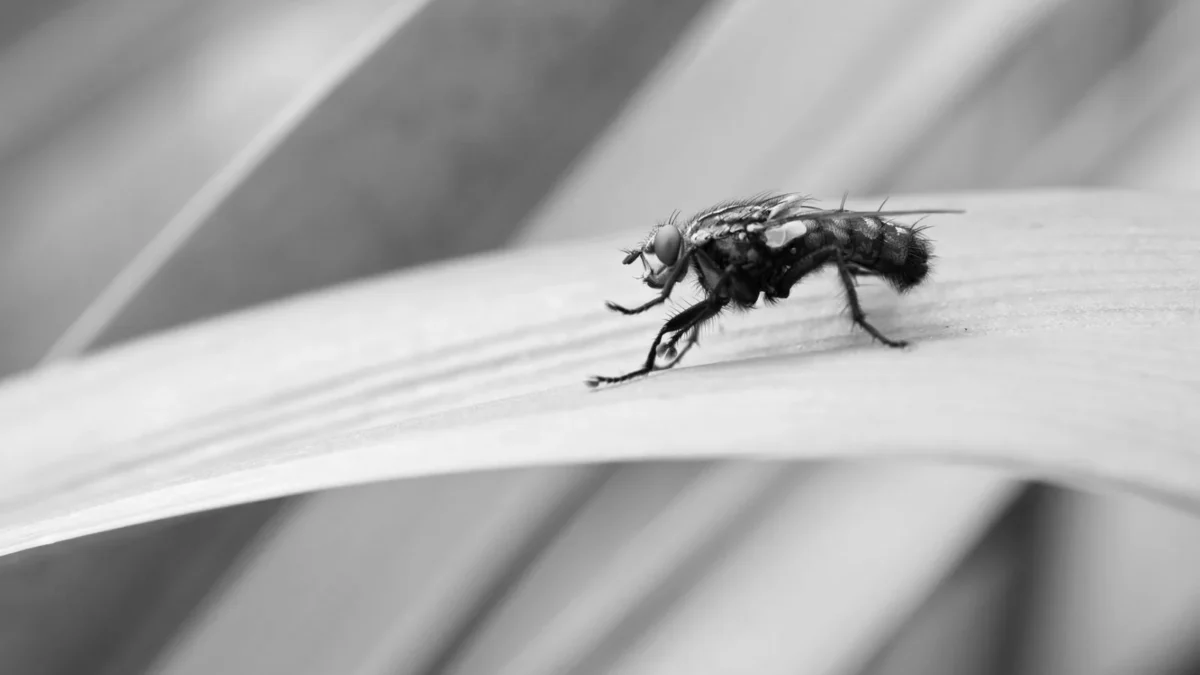
Quick answer: Fungus gnats in houseplant soil are tiny dark flies that lay eggs in damp soil, attracted by overwatering and fungus. Identify them by tapping the pot to watch them fly or spotting white larvae on the soil surface. Stop the problem immediately by reducing water, using yellow sticky traps or hydrogen peroxide, then prevent future infestations with proper drainage and drying soil.
What causes fungus gnats in houseplants
The absolute number one cause of fungus gnats in houseplant soil is overwatering (or lack of drainage, which amounts to the same thing). Fungus gnats thrive in damp conditions, so overwatered plants are especially vulnerable. They’re also attracted to fungus, and if your plant has any fungal issues, you can guarantee that fungus gnats are on their way or already present.
Fungus gnats typically enter homes through contaminated potting soil, newly purchased plants, or open doors and windows. Peat moss itself is decaying organic matter where fungus gnats and their larvae naturally occur as part of the decomposition process.
How to identify fungus gnats
Fungus gnats are small, dark flies that lay their eggs in moist soil. They measure about 3-4mm in length and appear greyish or brown in colour. If you see tiny black flies around your plants or windows, you may have fungus gnats—tap the pot lightly and they will take flight if present. You may also see tiny, white worm-like larvae on the soil surface.
To confirm an infestation, place a yellow sticky trap near the soil surface; fungus gnats will be caught on it within 24 to 48 hours if they are present.
Immediate treatment steps
Cutting back on waterings is often the single most important step in dealing with fungus gnats. Let the top 1–2 inches of soil dry completely before watering again.
Use yellow sticky traps: Yellow sticky traps, available at garden centers or online, easily catch adult fungus gnats. Gnat Stix and other yellow sticky traps generally last 4–6 weeks unless they fill up with gnats sooner.
Try hydrogen peroxide: Mix one part standard 3% hydrogen peroxide (the kind sold at any pharmacy) with four parts water. Use 1–2 tablespoons of hydrogen peroxide per cup of water, and mix enough to saturate the entire root ball. Hydrogen peroxide is root safe; it will bubble up when poured in, which is normal. The hydrogen peroxide breaks down into water and oxygen within minutes, leaving no residue. This method is safe for virtually all houseplants, including sensitive species and edible herbs. Repeat this treatment several times over a week or two, ensuring that all eggs and larvae are destroyed.
Use BTI products: Bacillus thuringiensis var. israelensis (BTI), found in mosquito dunks, works against fungus gnat larvae. BTI is safe for plants and pets and targets only fungus gnat larvae. Products containing BTI won’t eliminate fungus gnats overnight, but can be effective over the course of several weeks.
Repot if necessary: If the above doesn’t work, repot the plant in fresh houseplant soil and a squeaky-clean pot, carefully removing soil around the rootball where the larvae hang out.
Long-term prevention
Allow the top 1 to 2 inches of soil to dry out between waterings—the simplest and most effective way to prevent fungus gnat problems. Because fungus gnats lay their eggs in the top inch of soil, adding a layer of sand, gravel or decorative stone to the surface will help keep it dry and discourage reproduction. Add 1/4 inch of horticultural sand (do not use play sand) to the top of the soil in your containers.
Clean up dead plant material, as decaying matter attracts gnats. It’s important to keep the soil around your plants clear of debris such as fallen leaves, flowers, and fruit.
Examine plants carefully before purchasing or bringing them into your home. Isolate new plants for two weeks and check houseplants for fungus gnats before you bring them home from the nursery, as larvae may be present in the soil even if you don’t see adult gnats flying around. Always use sterile potting soil to prevent introduction of fungus gnats. Ensure your potting mix is well-draining and your containers have adequate drainage holes.
Sources
- How to treat pesky fungus gnats in houseplants
- How To Deal With Fungus Gnats On Houseplants (What Works)
- Fungus Gnats: Tiny Flies Around Your Houseplants
Photo: Ralf Ruppert / Pexels, Pexels