Pothos Epipremnum aureum
How to Save a Dying Pothos Plant: Step-by-Step Recovery
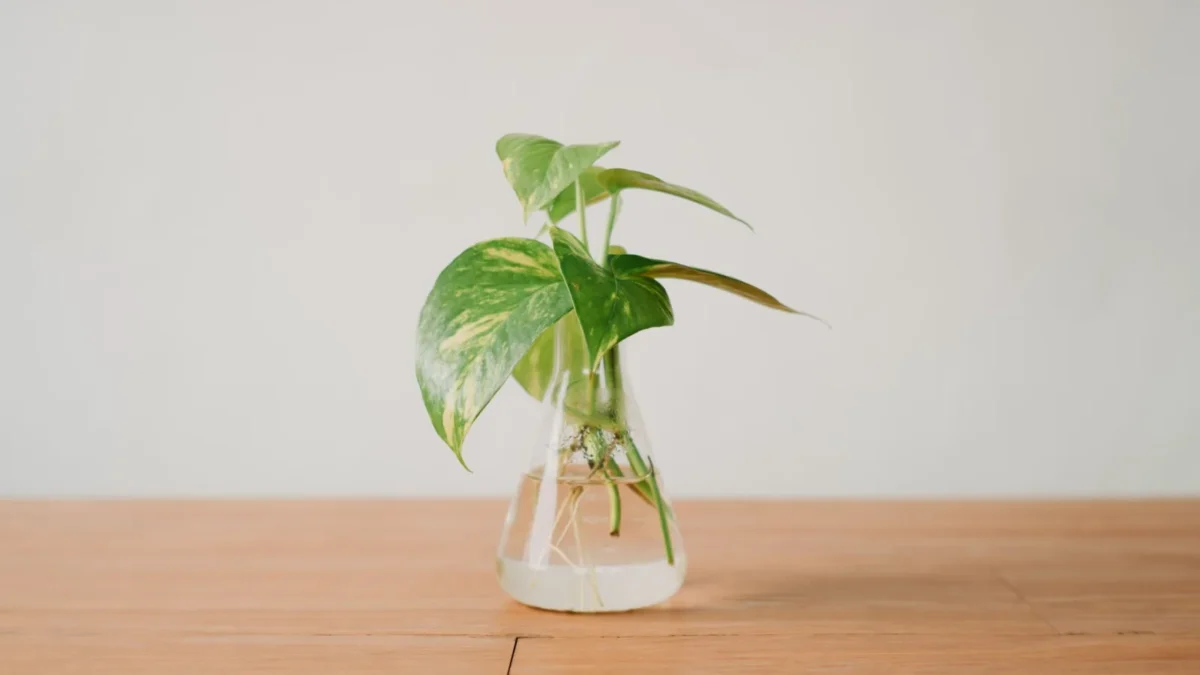
Quick answer: Most dying pothos plants suffer from overwatering, which causes root rot and yellowing leaves. Check the soil and roots, repot in fresh well-draining mix if they’re mushy, and adjust your watering routine. Light, humidity, and pests can also cause decline, but once you identify the problem, pothos is forgiving enough to bounce back.
| Botanical name | Epipremnum aureum |
|---|---|
| Light | Bright indirect light; tolerates low light but variegation fades and growth slows |
| Watering | Water when top 1-2 inches of soil feels dry; every 7-14 days average |
| Humidity | Moderate to high humidity, above 40%; mist leaves or use humidifier if dry |
| Temperature | 60-85°F (15-29°C) |
| Soil | Well-draining mix: orchid bark, perlite, peat, or coco coir; moist but not soggy |
| Feeding | Balanced water-soluble fertilizer every 2-3 months during spring and summer |
| Size | Trailing vine; mature leaves to 30 inches long with deep lobes |
| Difficulty | easy |
| Cats | ⚠️ toxic — Insoluble calcium oxalates cause oral irritation, burning, drooling, vomiting |
| Dogs | ⚠️ toxic — Insoluble calcium oxalates cause oral irritation, burning, drooling, vomiting |
Diagnose yellowing leaves and curling stems
Yellow leaves are the first sign something is wrong. The cause determines your fix:
Overwatering: This is the most common and dangerous problem. When soil stays constantly wet, roots switch to anaerobic respiration, which produces far less energy and generates toxic byproducts—root cells die, and the plant loses its ability to absorb water and nutrients. Check your pot’s bottom. Unhealthy roots from root rot appear black and feel mushy; they can even fall off when touched.
Underwatering: Leaves curl and droop dramatically but recover within hours once watered. Dry, crumbly soil means the plant is curling inward to conserve moisture.
Curling with moist soil: This signals overwatering, not drought. More water accelerates root rot.
Low humidity: Below 40% relative humidity triggers protective inward curling. Pothos is a tropical vine at heart and prefers moderate to high humidity—generally above 40%.
Poor light: Yellow leaves can indicate either too much direct sunlight (which causes loss of vibrancy) or too little shade (which slows growth). Pothos tolerates low light but variegation fades and growth slows dramatically.
Pests: Spider mites, scale, and mealybugs extract fluids from plant cells, causing a mottled yellow pattern on leaves.
Nutrient deficiency: Yellowing on older leaves suggests nitrogen deficiency; yellow edges suggest potassium; yellowing between veins suggests magnesium; yellowing on younger leaves suggests iron.
Treatment steps
If soil is wet and roots are mushy:
- Stop watering immediately.
- Repot the plant in fresh, well-drained soil mix. Use orchid bark, perlite, peat, or coco coir.
- Trim off black, mushy roots to prevent the disease from spreading.
- Water only when the top 1–2 inches of soil feels dry.
If soil is dry and leaves are drooping:
Start watering immediately; consider deep watering. Check soil moisture 1–2 times per week; water when the top 2–3 inches (or 40–50% of soil) have dried.
If humidity is low:
Mist leaves regularly or place a humidifier nearby. You can also group your pothos with other plants to create a microclimate with higher humidity.
If light is poor:
Move pothos to bright, indirect light. It thrives in bright indirect light but can tolerate low-light conditions; too much shade slows growth, while too much direct sun causes leaf vibrancy to fade.
If pests are present:
Inspect leaf undersides regularly. Remove pests with a damp cloth or spray leaves with water.
If nutrients are depleted:
Repot every 2–3 years to refresh the soil. Between repots, fertilize during spring and summer with a balanced, water-soluble fertilizer every 2–3 months.
Adjust your watering routine going forward
Feel the soil before watering rather than following a fixed schedule. On average, water every 7–14 days, but conditions vary. In summer, expect to water 1–2 times a week. In winter, growth slows; water once every 10–14 days. Once leaves turn yellow from stress, they typically cannot revert to green. New growth will emerge healthy if conditions improve.
Sources
- How Often Should I Water A Pothos Plant? – Indoor Plants For Beginners
- Pothos (Epipremnum aureum): Care, Varieties & Toxicity Guide
- Epipremnum aureum (Golden Pothos) – Plant Care 101
Photo: syarif moh / Pexels, Pexels