Hoya Kerrii Hoya kerrii
Hoya Kerrii Care: The Complete Guide
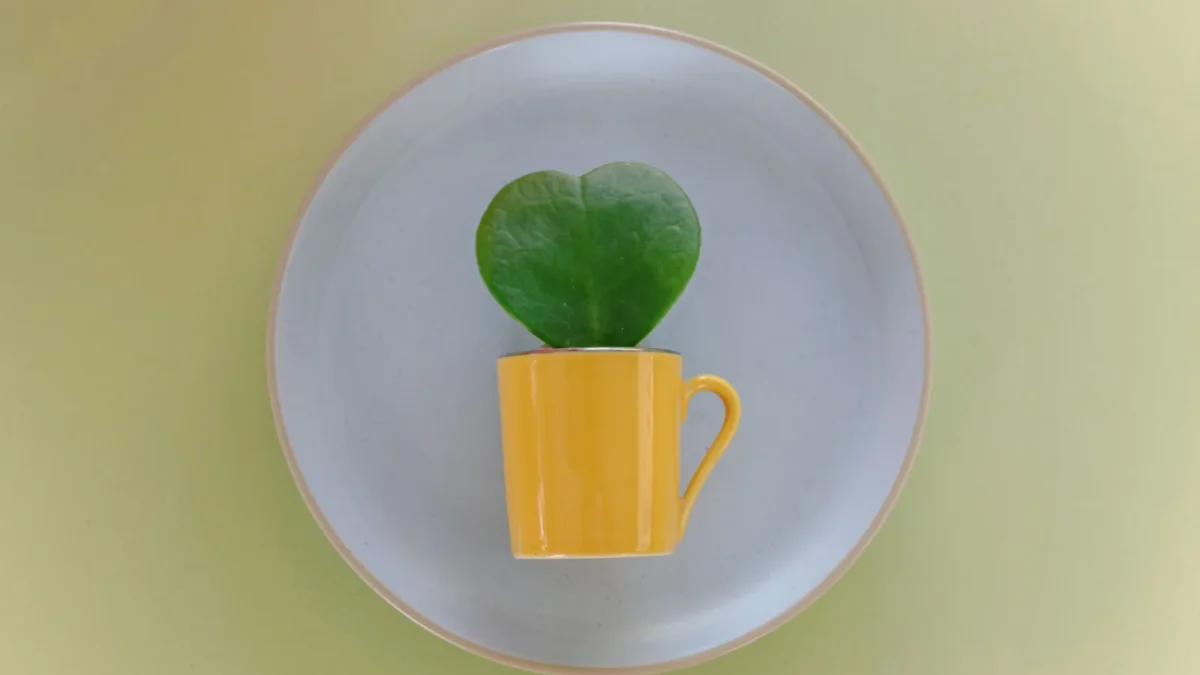
Hoya kerrii is a low-maintenance succulent vine that brings charm to any indoor space with its heart-shaped leaves and delicate waxy flowers. This complete care guide covers everything you need to know to keep your plant thriving, from lighting and watering to propagation and solving common problems.
| Botanical name | Hoya kerrii |
|---|---|
| Light | Bright indirect light; avoid intense afternoon sun; tolerates gentle morning sun |
| Watering | Water when soil is completely dry; every 2-4 weeks typically; every 1-2 weeks spring/summer; every 3-4 weeks fall/winter |
| Humidity | Moderate humidity 40-60%; tolerates average indoor humidity |
| Temperature | Warm 65-80°F (16-24°C); minimum 50°F (10°C); cooler nights beneficial |
| Soil | Fast-draining chunky mix: equal parts orchid bark, perlite, peat-free potting mix |
| Feeding | Balanced liquid feed monthly during growing season |
| Size | Stems can grow to 6 ft (1.8 m) or more; slow-growing |
| Difficulty | easy |
| Cats | ✓ non-toxic |
| Dogs | ✓ non-toxic |
Key points
- Water only when soil is completely dry—typically every 2-4 weeks, but less frequently in winter
- Position in bright, indirect light; avoid intense afternoon sun that can scorch the leaves
- Hoya kerrii tolerates average indoor humidity but prefers 40-60%
- Use fast-draining chunky soil: equal parts orchid bark, perlite, and peat-free potting mix
- Non-toxic to cats and dogs; completely safe for households with pets
- Propagate from stem cuttings with at least one node for the best chance of a vining plant
Light Requirements for Hoya Kerrii
Position your Hoya kerrii in bright, indirect light with shade from hot sun. Direct, intense afternoon sun can scorch the leaves, so an east-facing window or a spot a few feet back from a bright south or west window tends to work best. A few hours of gentle morning sun is tolerated and even beneficial, encouraging thicker leaves and eventual flowering, but intense, direct afternoon sun can scorch the succulent leaves, leaving pale or brown patches.
Bright, indirect light for several hours a day encourages compact growth and, eventually, flowering, while a spot that is too dim will lead to slow, leggy growth and a plant that never blooms. Signs of too little light include slow or stalled growth, thin or unusually dark green leaves, and a vine that never produces flowers.
If your home lacks sufficient natural light, a grow light can help. If natural light is limited, a full-spectrum LED grow light placed 12-18 inches above the plant for 10-12 hours a day is an effective substitute.
Watering Your Hoya Kerrii
Watering is where most Hoya kerrii care goes wrong. As a succulent, Hoya kerrii stores water in its thick leaves and is highly susceptible to overwatering, which can quickly lead to root rot – a common killer of Hoyas. Most U.S. apartment Hoya kerrii deaths come from overwatering, not underwatering.
How often to water
Water thoroughly only when the soil is completely dry to the touch, which typically means every 2 to 4 weeks, but the exact frequency depends on light, temperature, humidity levels, and the type of pot. The watering rhythm changes with the seasons. During the spring and summer growing season, watering may be needed roughly every 1-2 weeks depending on light and temperature. In fall and winter, when growth slows, watering frequency should be reduced to every 3-4 weeks or longer. Take particular care not to overwater in winter, when hoyas go semi-dormant.
How to tell when to water
Insert your finger about 2-3 inches deep into the soil; if it feels dry, it’s time to water. A thirsty Hoya kerrii will have soft or wrinkled leaves. Unlike its typical firm, succulent-like texture, these soft leaves are a sign that the plant needs water.
How to water correctly
When it’s time to water, do so thoroughly; pour water slowly over the soil until water runs from the drainage holes, then empty the saucer. Hoya kerrii is adapted to periods of drought, so it’s more forgiving of a missed watering than it is of overwatering.
Recovering from underwatering
Thinning, brown or wrinkled leaves can mean that the plant is being allowed to dry too much between watering. If the soil is dry and crumbly, soak in tepid water for 30 minutes, then resume normal watering schedule. Wrinkled leaves recover within 1–2 weeks once the underlying water issue is fixed.
Root rot from overwatering
Soggy soil with dark mushy roots indicates overwatering with rot; unpot, cut away rotted roots, repot in fresh free-draining mix and water sparingly.
Humidity and Temperature
Humidity
Hoya kerrii tolerates average indoor humidity but performs best in moderate humidity of around 40-60%. Hoya kerrii prefers 40–60% humidity and is among the most humidity-tolerant tropical houseplants; ordinary apartment humidity is fine and no humidifier is required. The succulent leaves mean that very low humidity rarely causes serious damage, though prolonged dry air can lead to slightly wrinkled or slow-growing leaves.
Temperature
Temperatures between 65 and 80 Fahrenheit are ideal. It will tolerate a minimum of 50°F/10°C. Hoyas enjoy warm, indoor temperatures of 16–24°C (61–75°F), with a slightly cooler spell in winter. Cooler nights can actually help encourage flowering—this seasonal temperature shift signals the plant that it’s time to bloom.
Soil and Repotting
The right soil mix
Hoya kerrii thrives in a light, fast-draining, chunky mix rather than dense standard potting soil; a blend of roughly equal parts orchid bark, perlite, and a peat-free or coco-coir-based potting mix mimics the loose organic debris the plant would root into on a tree branch in the wild. This chunky texture is essential—it prevents water from sitting around the roots and causing rot.
When and how to repot
Hoyas resent repotting and can stay in the same pot for many years. Hoyas can be kept in their original container for several years, until the roots fill the pot; spring is the best time to repot them. When the time comes, choose a pot that’s only a few centimetres larger than the rootball. Hoya species tend to grow better in smaller pots, which allows for their roots to become pot-bound; this can also encourage flowering.
Feeding and Fertilizer
Apply a balanced liquid feed monthly during growth. Use a balanced fertilizer that is designed for indoor plants and follow the instructions on the label for application rates. Feed only during the spring and summer growing season; stop in fall and winter when growth naturally slows.
Pruning and Training
Hoya Kerrii is a slow-growing plant that does not require much pruning; however, if the plant becomes too leggy, you can trim it back to encourage bushier growth. Stems can grow to 6 ft (1.8 m) or more, and it is slow-growing and will take a few years to become a long vine studded with hearts.
Flowering and flower stems
After the flowers are spent, don’t cut off the flower stem because it will likely bloom again. The same stem will produce new flower clusters, so preserving these “spurs” is key to future blooms. Several factors help encourage flowering: Hoyas may not bloom for a few years; you can help it, though, by keeping it root-bound in a smallish pot and giving it several hours of bright, indirect sunlight each day in summer. Cooler nighttime temperatures can help; just a 10° drop at night will do. Careful watering and consistent light is vital for flowering.
Plants may drop their flower buds if they are moved and light levels change, or if the compost is too wet or too dry. Keep your plant in a stable location once buds form.

Propagation Methods
Hoya kerrii is straightforward to propagate, though the method you choose determines your results.
Stem cuttings (recommended)
The most reliable way to grow a full vining plant is by stem cuttings. The most reliable way to propagate Hoya kerrii into a full vining plant is by stem cuttings that include at least one leaf node, since the node is where new roots and shoots will form. You simply cut a section of stem that is at least 4″ long and has at least 2 leaves on it.
Allow the cut end to callous over for a few hours to a day in a dry, shaded spot to reduce the risk of rot. Optionally dip the cut end in rooting hormone to encourage faster root development.
Rooting in water
Place the cutting in water with the node submerged. Position in bright indirect light and change the water weekly. Check for root development after 3-4 weeks by gently tugging the cutting for resistance. Roots typically emerge within four to eight weeks; once roots are 1–2 inches long, pot up into your prepared chunky mix. Water propagation is easy to monitor, but be gentle during the transition to soil to avoid transplant shock.
Rooting in soil
Put the cutting in a small pot of moistened potting mix so that at least one node is buried, since the node is where new roots will sprout from, making sure the leaves aren’t buried. If rooting in soil, keep the mix lightly moist but not soggy. Stem cuttings with a node rooted in a chunky soil mix tend to have the highest long-term success rate and produce a vining plant fastest, while water propagation is easy to monitor but often requires a careful transition period to avoid transplant shock.
Leaf cuttings
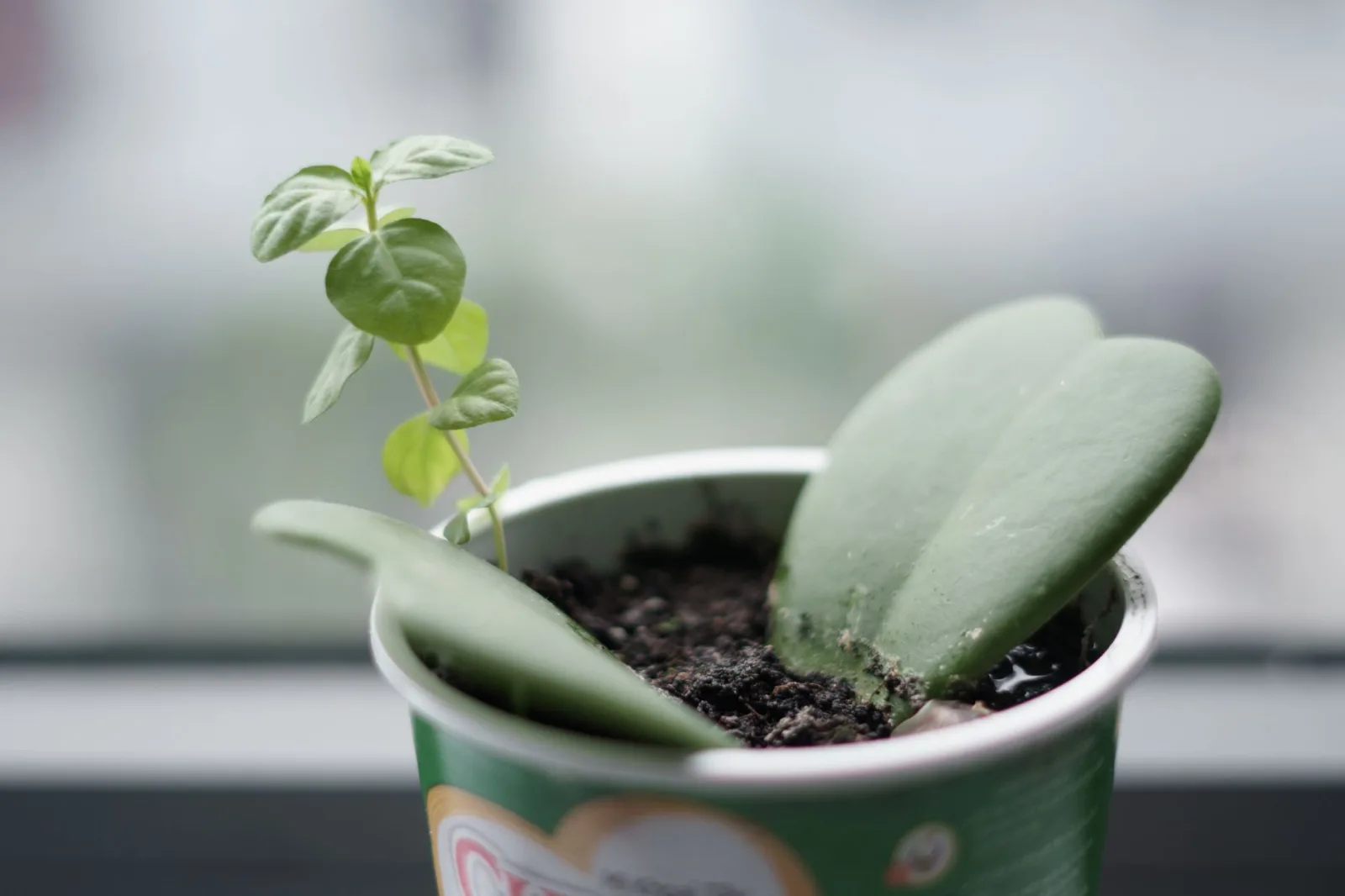
To propagate Hoya kerrii by a leaf cutting, first pick a leaf with a node on it; a node is that small bump on the stem where leaves eventually grow out of; you cut the leaf off the stem right below the node. When doing leaf cuttings, there is no dormant bud from which new stems can grow; so if you only take leaf cuttings, you will only grow that single leaf and no new stems or leaves will grow. For this reason, leaf cuttings alone won’t produce a vining plant—you’ll only get a single leaf. Combine leaf cuttings with at least one stem cutting if you want a full plant.
Common Problems and Solutions
Underwatering and wrinkled leaves
Soft or wrinkled leaves are the first sign your Hoya kerrii is thirsty. This happens because the plant is drawing on stored water in its leaves. Fix it by soaking the soil in tepid water for 30 minutes and returning to a regular watering schedule; the leaves will bounce back within 1–2 weeks.
Root rot from overwatering
When soil stays soggy, roots begin to rot, turning dark and mushy. This is the most common cause of death in Hoya kerrii. Unpot the plant immediately, cut away all soft, dark roots, and repot in fresh, dry, chunky mix. Water very sparingly until new growth appears.
Slow or no growth with weak leaves
This usually signals insufficient light. Move the plant closer to a window or install a grow light. The plant may also be in a pot that’s too large—smaller containers actually encourage better growth and flowering.
Flower buds dropping
Hoya kerrii is sensitive to sudden changes in light, temperature, or watering once buds have formed. Keep the plant in a stable location and maintain consistent moisture and light levels during bud development.
Pests
Insects affecting this plant include aphids, spider mites and mealybugs. Check the undersides of leaves regularly, especially new growth. Spray affected areas with insecticidal soap or neem oil, repeating every 7-10 days until clear.
Pet Safety
Non-Toxic to Cats. Non-Toxic to Dogs. Hoya kerrii is completely safe to have around cats, dogs, and other common household pets. The consumption of any plant material may cause vomiting and gastrointestinal upset for dogs and cats, so while the plant itself is non-toxic, it’s still sensible to discourage pets from chewing on any houseplant.
FAQ
How do I know if my Hoya kerrii is underwatered?
A thirsty Hoya kerrii will have soft or wrinkled leaves. Unlike the typical firm texture of healthy leaves, underwatered plants develop leaves that feel limp or look shriveled. The plant recovers quickly once you water properly.
Can I propagate Hoya kerrii from a single leaf?
When doing leaf cuttings, there is no dormant bud from which new stems can grow; so if you only take leaf cuttings, you will only grow that single leaf and no new stems or leaves will grow. To get a vining plant, use stem cuttings that include at least one node.
How long does it take Hoya kerrii to become a full vine?
It is slow-growing and will take a few years to become a long vine studded with hearts. Stems can grow to 6 feet or more, but patience is required.
Why won’t my Hoya kerrii flower?
Hoyas may not bloom for a few years; you can help it, though, by keeping it root-bound in a smallish pot and giving it several hours of bright, indirect sunlight each day in summer. Cooler nights, consistent light, and careful watering also encourage blooms.
Is Hoya kerrii toxic to pets?
No. Hoya kerrii is non-toxic to cats and dogs, making it safe to grow in homes with pets.
What’s the fastest way to propagate Hoya kerrii?
Stem cuttings with a node rooted in a chunky soil mix tend to have the highest long-term success rate and produce a vining plant fastest, while water propagation is easy to monitor but often requires a careful transition period to avoid transplant shock.
More about Hoya Kerrii
Sources
- Hoya Kerrii (Sweetheart Hoya) Care Guide: Watering, Light, Soil & Propagation🌟 – Healthy Houseplants
- Hoya Kerrii Plant Care – Grow this Valentine Hoya Indoors
- Sweetheart Hoya Care Guide: Hoya kerrii Plant Care Tips
Photo: Ksenia Chernaya / Pexels, Pexels