Choosing the Right Grow Light Bulb for Indoor Plants
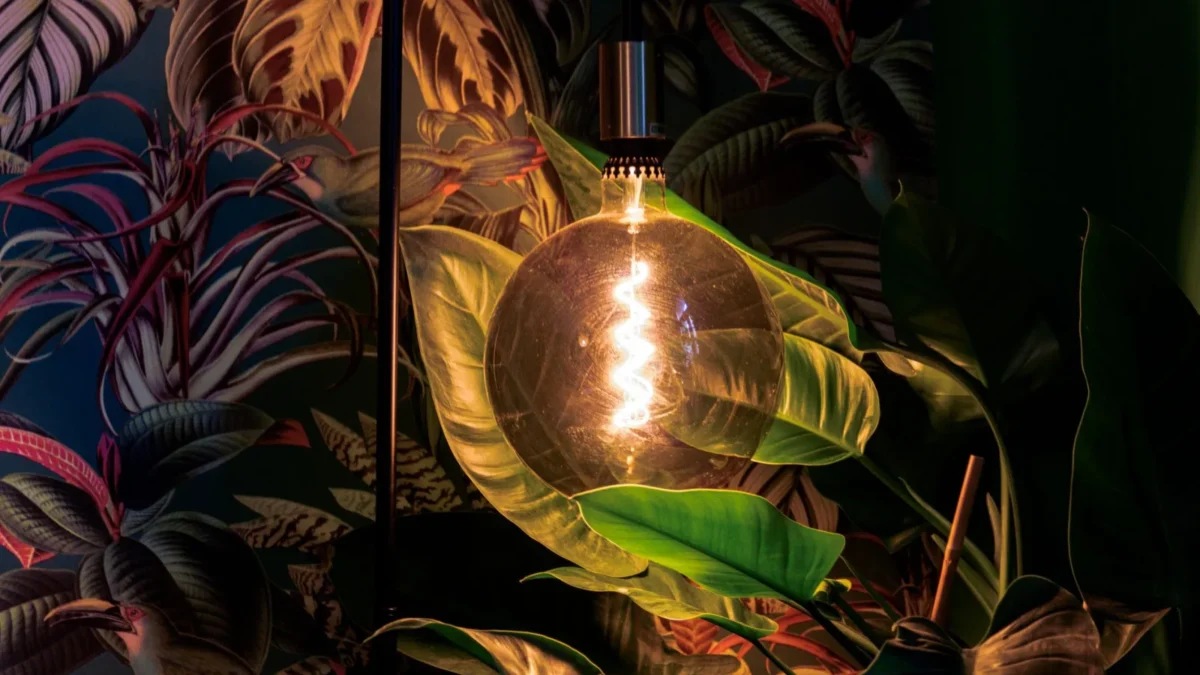
Quick answer: The best grow light bulb for your plants depends on their light needs, your space, and budget. LED lights are most efficient and affordable to run; fluorescent lights cost less upfront. Choose a color temperature around 4000K for most houseplants, position the light 6–12 inches away, and run it 9–16 hours daily.
Why you need a grow light bulb
Natural light isn’t always enough indoors, especially in winter or north-facing rooms. Most plants need at least 3 to 4 hours of natural sunlight daily, with vegetables and fruiting plants needing 12+ hours. Without enough light, plants turn pale, yellow, or white as they struggle to produce chlorophyll. A grow light bulb bridges this gap and lets you control exactly what your plants receive.
LED vs fluorescent grow light bulbs
LED lights have become the dominant choice because they’re affordable, energy-efficient, and don’t fade in intensity like fluorescent bulbs. A 20-watt LED delivers the same usable light as a 40-watt fluorescent tube. LEDs are extremely energy efficient, long-lived, and low in heat. You can position LEDs just 6–12 inches from plants without burning them.
Fluorescent lights cost less upfront, but they run hotter and less efficiently. They’re about 2.5 times more efficient than incandescent bulbs, making them a solid budget option for seedlings and low-light plants. Place fluorescent tubes 6–12 inches from your plants.
Skip incandescent bulbs—they’re not designed for plant growth and waste energy as heat.
Choosing wattage and light output
Most indoor plants thrive with 20 to 40 watts of actual LED power per square foot. For vegetative growth, aim for 20–30 watts per square foot; for flowering plants, use 30–40 watts per square foot.
Light needs vary by plant type: low-light plants like pothos and philodendron need 50–250 lumens per square foot; medium-light plants like rubber trees need 250–1,000 lumens; high-light plants like cacti and succulents need 1,000+ lumens. Herbs and seedlings need 1,000–3,000 lumens per square foot.
For most houseplants, a standard 100W-equivalent LED grow bulb (around 1,000 lumens) is sufficient.
Color temperature for different growth stages
For most houseplants, use bulbs between 4000 and 6000 Kelvin. If you’re buying one bulb, 4000K is the best all-around choice—it delivers a balanced mix of blue and red wavelengths that support both growth and flowering. For seedlings and leafy growth, prefer 4000–6500K; for flowering, 2700–3000K is better.
Distance and daily light hours
Keep LED lights between 12 inches away from lower-wattage lamps up to 36 inches for high-wattage fixtures. Place fluorescent lights about 12 inches from plants. Distance matters: doubling your distance reduces light intensity by roughly 75%.
Most houseplants need 12 to 16 hours of supplemental light daily. Roughly 14 hours of grow light equals 6 hours of direct sunlight in a typical home setup, since artificial lights are less intense. Always give plants 8–12 hours of darkness for healthy metabolism—use a timer to keep schedules consistent.
Product suggestions
The GE BR30 is a genuine full-spectrum grow light in a standard bulb you can screw into an existing lamp, priced around $10–15. It offers a balanced red and blue spectrum for herbs, greens, and fruiting plants across all growth stages. The Soltech Aspect suits growers who want a fixture that looks like home décor. For maximum power and flowering support, the SANSI PAR25 30W delivers serious output, while the 24W SANSI BR30 works well for light-hungry vegetables or large collections.
Sources
- Grow Lights for Indoor Plants: Types, Setup & Schedule Guide
- Sources of Supplemental Light for Indoor Plants
- LED vs Fluorescent Grow Lights: Which Is Better for Indoor Plants?
Photo: Evan Kalogirou / Pexels, Pexels