Best Potting Soil for Indoor Plants: What to Use and Why
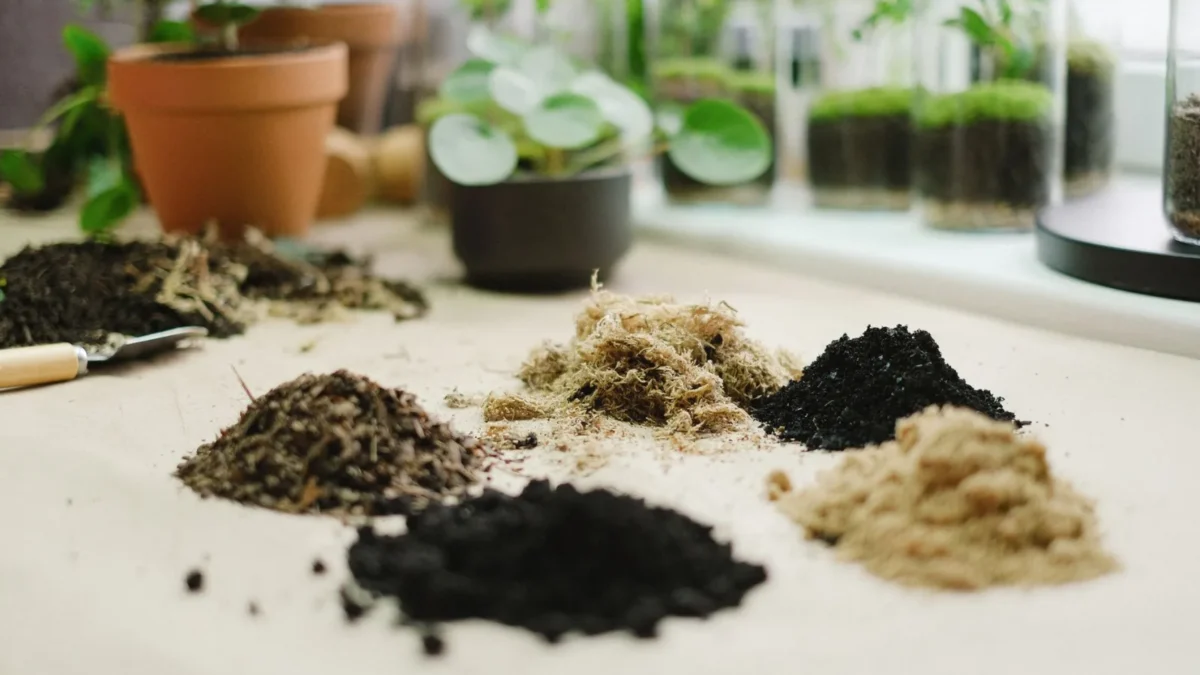
Quick answer: Potting soil for indoor plants is a specially formulated blend designed to drain quickly while retaining some moisture and nutrients. Regular garden soil won’t work because it compacts too easily in pots and holds too much water, which causes root rot. The right potting soil depends on your plant type — succulents and cacti need gritty, fast-draining mixes, while other houseplants do better with standard potting soil.
Why Regular Garden Soil Fails for Houseplants
Garden soil is built for plants in the ground where excess water drains naturally. In a pot, it’s a different story. Regular potting soil also holds too much moisture, which becomes problematic even for plants that aren’t succulents. Plants are intolerant of moist, poorly-drained soils.
When soil stays wet, oxygen pockets are replaced with water. This creates an anaerobic environment that kills your plant and invites bacterial and fungal rot.
What Makes Good Potting Soil
Good potting soil balances three things: drainage, aeration, and nutrient support. Most commercial mixes include organic matter such as peat moss, coconut coir or composted bark, with bark chips or perlite added for improved drainage.
For succulents like jade plants specifically, roots require a high-porosity, well-drained cactus or succulent mix, or standard soil amended with extra perlite or sharp sand to mimic its native mineral hillside substrate.
Choosing the Right Mix for Your Plants
For succulents and cacti: Choose a mix designed for succulents and cacti. These mixes offer the great drainage these plants need while also providing support. Avoid traditional all-purpose potting soils and use a mix specifically formulated for succulents and cactus plants.
Avoid “moisture control” formulas: Avoid any potting mix labeled “moisture control” or “extended moisture release” — these are formulated to hold water longer, which is exactly the opposite of what a jade plant needs.
Making your own mix: You can blend your own potting soil for better control. A basic DIY recipe includes 3 parts potting soil, 2 parts coarse sand (or alternatives like turface or poultry grit), and 1 part perlite or pumice. This combination ensures the mix is fast-draining, slightly acidic, and has the right balance of nutrients.
Soil pH and Nutrient Needs
Jade plants thrive in well-draining, slightly acidic to neutral soil with a pH range of 6.0 to 7.0. If not listed on the package, mix in two tablespoons of ground limestone for every gallon of potting mix as jade plants prefer a pH of around 6.5.
Jade plants have relatively low fertilizer needs, but proper nutrition can enhance growth and overall health. Phosphorus content encourages blooming, which typically occurs after several years of healthy growth.
The Role of Your Pot
Terracotta pots are a popular choice for jade plants because they allow moisture to evaporate more quickly than plastic or glazed pots. This helps keep the soil from staying too wet. The pot must have drainage holes; without them, water accumulates at the bottom, staying in contact with the roots.
FAQ
Can I use regular potting soil if I add drainage materials?
Regular potting soil is too heavy and holds excess moisture, which can lead to root rot. You can lighten it by mixing in pumice or perlite, but a purpose-made mix works better.
How often should I refresh the soil?
Jade plants typically need repotting every 3 to 4 years. The best time to repot is in spring at the start of the plant’s main growing season.
What if my soil develops white crusty buildup?
White crust on soil surface indicates mineral buildup from tap water — flush with filtered water and refresh the top layer.
Sources
- Jade Plant Soil: The Best Mix for Healthy Growth
- Jade Plant (Crassula ovata) Care Guide 🌟 – Healthy Houseplants
- How To Diagnose and Treat Root Rot in Jade Plants
Photo: Anna Shvets / Pexels, Pexels