How and When to Repot Houseplants
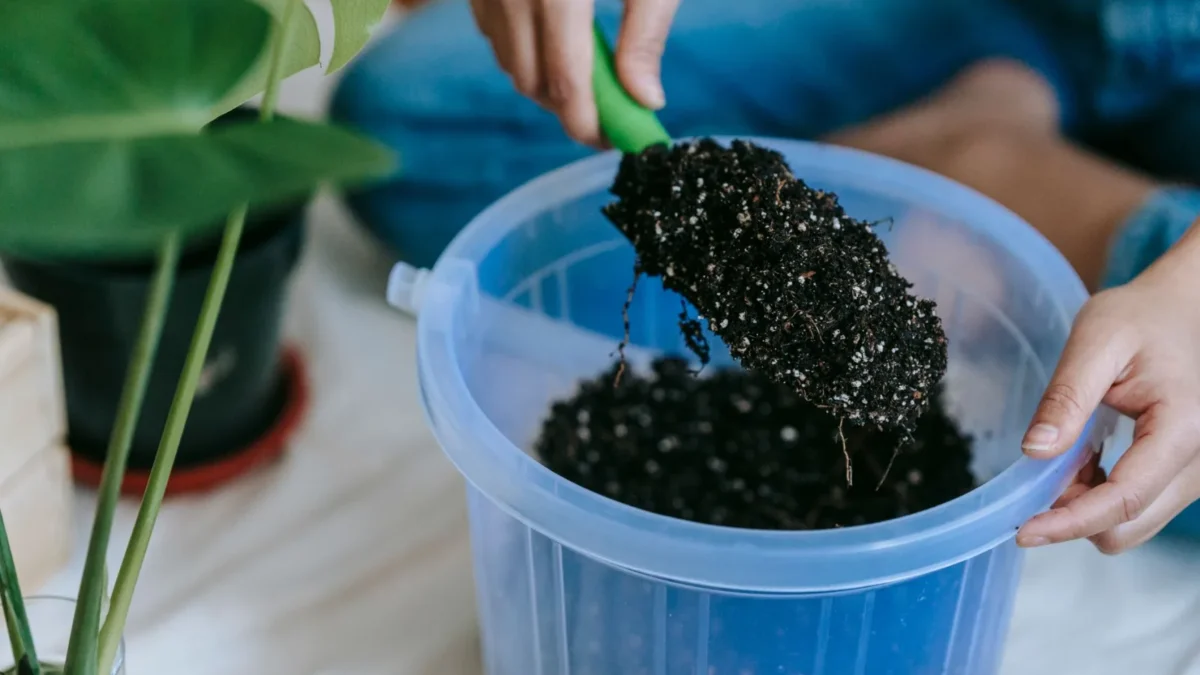
Quick answer: Repot a houseplant when roots circle the root ball, grow through drainage holes, or the soil dries out faster than usual. Choose a pot only 1–2 inches larger in diameter, use quality potting soil, and repot in spring for the best results.
Signs Your Houseplant Needs Repotting
A repot restores three essential things: pore volume for water and air, a fresh nutrient reserve, and physical room for roots to extend.
The clearest signs are roots circling the root ball or so densely packed that potting mix is barely visible in the bottom third. Watch for roots growing out of drainage holes, difficulty pushing fingers into the soil because roots block the way, potting mix drying out much faster than other plants nearby, and stunted or yellowing growth with no obvious cause. Even if the plant isn’t root-bound, compacted or decomposed soil that’s poorly aerated may need replacing.
Repotting Schedule by Plant Type
Most houseplants need repotting only once every three to five years, and few require it more than annually.
Fast-growing plants like pothos, spider plants, and philodendrons need repotting every 12–18 months because they fill pots quickly and exhaust nutrients faster. Monsteras and majesty palms, which grow over 12 inches annually, also need repotting every 12–18 months into larger containers with fresh soil. Slow-growing plants like snake plants, ZZ plants, and many dracaenas can go 2–3 years between repotting. Cacti and succulents prefer a snug pot and don’t require frequent repotting. Orchids should be repotted every 1–2 years, primarily because bark media breaks down rather than for root space.
When to Repot
The best time is spring when plants naturally begin active seasonal growth. Roots will grow into the new potting mix and the plant will produce new foliage. Spring or early summer works best for common tropical houseplants because active growth supports root establishment. Serious root damage or badly deteriorated soil may require repotting at other times.
Repotting Step-by-Step
-
Water well beforehand. Water the plant three or four days before repotting.
-
Remove the plant. Invert the pot and gently remove the plant by grasping the main stem and tugging slightly. If it doesn’t slip out, use a butter knife or flat-bladed tool to loosen the pot sides.
-
Loosen and inspect roots. Carefully loosen tightly tangled roots with your fingers and remove any that are dead, damaged, or mushy.
-
Prepare the new pot. Choose a pot only 1–2 inches larger in diameter than the current one. A pot that is too large holds excess moisture and encourages rot, while one too small restricts growth. Most plants recover more easily from being slightly snug than from sitting in wet compost.
-
Add fresh potting soil. Never use garden soil; always use quality potting soil or compost for houseplants. Garden soil lacks drainage, contains weed seeds and pathogens, and differs dramatically from indoor potting mix. For cacti and succulents, use clay pots, which are porous and allow air and water to move through the sides. Add fresh potting soil to the bottom of the new pot, packing it well around the drainage hole.
-
Position the plant. Adjust soil so the plant sits at the same level as in the old pot. Burying the stem is a mistake.
-
Water and wait. Water thoroughly immediately after repotting to settle soil and remove air pockets. Then let excess drain completely and wait 2–3 weeks before fertilizing. The soil is already moist, so allow time for the plant to acclimate and avoid over-watering as it adjusts.
Common Mistakes to Avoid
The two biggest mistakes are oversizing the pot—which traps moisture and rots roots—and repotting at the wrong time, which slows recovery. Never pot a small plant into a much larger container; this won’t accelerate growth. Other frequent errors include using the wrong soil type for your plant’s drainage needs, such as moisture-retentive compost for succulents or fast-draining cactus mix for tropical plants. Not loosening the root ball when repotting prevents proper nutrient and water absorption. Repotting during dormancy instead of active growth, using oversized containers, and unnecessarily disturbing healthy root balls are the top causes of irreversible decline.
Sources
- Repotting Houseplants: How to Repot a Houseplant for Beginners
- When to Repot Houseplants: Signs, Pot Sizes & Soil
- Repotting Houseplants
Photo: Teona Swift / Pexels, Pexels