Staghorn Fern Platycerium bifurcatum
Staghorn Fern Care: The Complete Guide
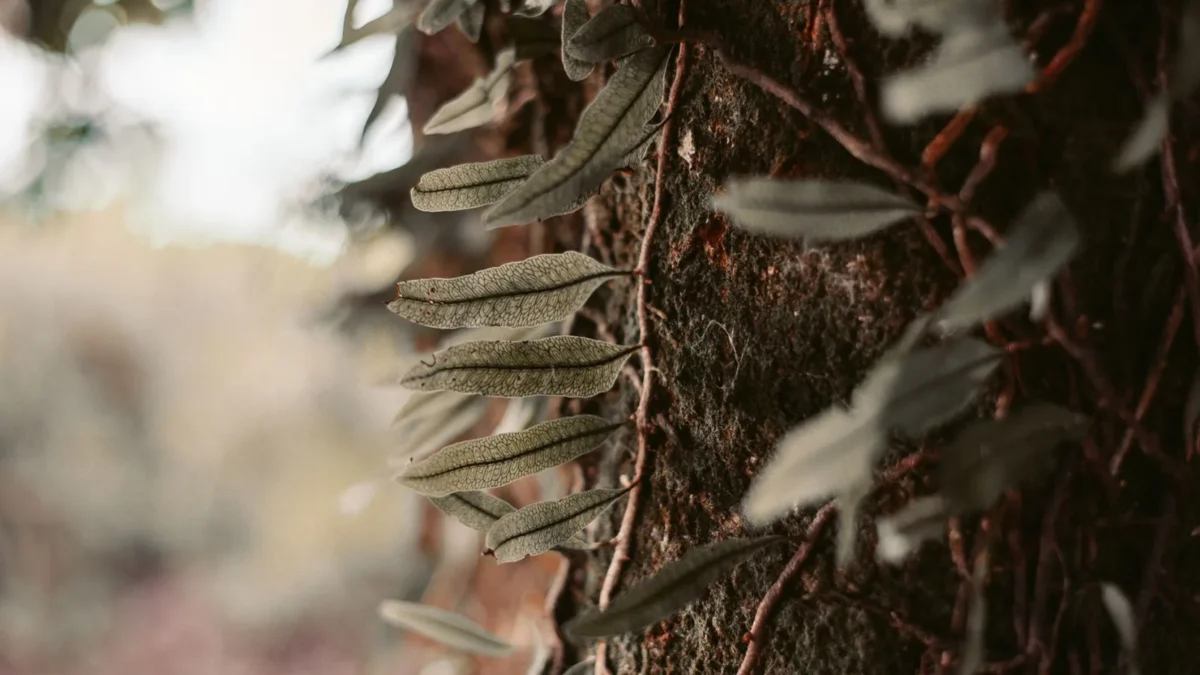
Staghorn fern care indoors is straightforward once you understand the plant’s needs. This guide covers everything from positioning and watering to mounting your fern and solving common problems. You’ll master each aspect of cultivation and keep your staghorn fern thriving for years.
| Botanical name | Platycerium bifurcatum |
|---|---|
| Light | Bright indirect light; 4-7 hours, 300+ foot-candles; avoid full sun |
| Watering | Mounted: every 7 days spring/summer, 12-14 days fall/winter; potted: every 10 days |
| Humidity | 60-75% ideal; aim for 50-80% |
| Temperature | 60-80°F; protect from cold drafts and temperatures below 10°C |
| Soil | Sphagnum moss; potted: orchid bark, sphagnum moss, peat or fern fiber |
| Feeding | Balanced water-soluble fertilizer at half-strength monthly during spring/summer; reduce in fall/winter |
| Size | 2-3 feet height and spread |
| Difficulty | easy |
| Cats | ✓ non-toxic |
| Dogs | ✓ non-toxic |
Key points
- Provide bright indirect light of 4–7 hours and 300+ foot-candles from an east or north window, or filtered south-facing light
- Water mounted ferns every 7 days in spring/summer, extending to 12–14 days in fall/winter; potted ferns need watering every 10 days
- Maintain humidity of 60–75%, ideally 50–80%
- Mount on wood, bark, or in a basket with sphagnum moss, or grow potted in orchid bark and sphagnum mix
- Feed monthly at half-strength during spring and summer only
- The plant grows to 2–3 feet in height and spread, making it a manageable indoor specimen
Light Requirements for Staghorn Ferns
Staghorn ferns need bright, indirect light to photosynthesize and produce their distinctive antler-shaped fronds. Position yours near an east or north window, or use filtered south-facing light from behind a sheer curtain to block harsh rays. Aim for 4–7 hours of bright light at 300 or more foot-candles daily.
If your home is naturally dim, supplement with a grow light placed 12 inches above the fronds to prevent yellowish leaves caused by insufficient light. A bathroom or kitchen window often provides the perfect balance of brightness and protection from intense afternoon sun.
Watering Your Staghorn Fern
Watering frequency depends entirely on whether your fern is mounted or potted. A mounted fern dries faster because it has minimal soil to retain moisture.
Mounted staghorn ferns: Water every 7 days during spring and summer when growth is active. In fall and winter, extend watering to every 12–14 days as the plant’s growth slows. The best method is to soak the entire mount in room-temperature water for 15–30 minutes about once a week in moderate conditions, then let it fully drain and dry before hanging back up.
Potted staghorn ferns: Water every 10 days. Wait until the fern wilts slightly before watering, typically once a week in warm, dry weather and less often during cool or cloudy periods.
Overwatering is the leading cause of problems in staghorn ferns. If the base of the fern where the round shield meets the board feels cool, spongy, or damp, you’re watering too often. This suffocates roots and causes antler leaves to yellow from the base upward.
Humidity and Temperature
Staghorn ferns are epiphytic plants that naturally grow on tree branches in humid tropical climates, so moisture in the air is essential for their health.
Humidity
Ideal humidity levels are 60–75%. Aim for a range of 50–80% humidity in your growing space. Think of locations like bathrooms, kitchens, or areas near a humidifier—these mimic the fern’s natural environment and prevent brown, crispy frond tips.
If your home air is dry, mist the fronds lightly 2–3 times weekly or place the mounted fern on a humidity tray with water and pebbles. A humidifier running nearby is also highly effective.
Temperature
Keep your staghorn fern in average home temperatures between 60 and 80°F. Protect it from cold drafts and temperatures below 10°C (50°F), which can damage the fronds. Avoid placing the fern near heating vents, air conditioners, or drafty windows in winter.
Mounting, Soil, and Repotting
Mounting Options
Mounting is the traditional way to display staghorn ferns and matches how they grow in nature—clinging to tree bark. UF/IFAS recommends mounting on wood, tree fern fiber, or rock with basal fronds touching the medium, or using a wire basket. For a DIY mount, use an untreated piece of wood, sphagnum moss, and old stockings to secure the fern.
To mount, tie the rootball to a corkboard or bark slab with sphagnum moss packed around the crown. As the plant matures and develops the characteristic shield fronds, it will anchor itself and require less securing.
Soil and Potting
If you prefer to grow your staghorn fern in a container, the soil must be exceptionally loose and well-draining. Mix orchid bark, sphagnum moss, and a small amount of peat or fern fiber. This mimics the airy, organic matter found in tree bark.
For mounted ferns, the medium of choice is dried sphagnum moss. This moss retains some moisture while allowing air to circulate freely around the roots.
Repotting
Repot or remount your staghorn fern only when it substantially outgrows its current setup—typically every 2–3 years. Do this in early spring before the growing season begins. Gently loosen the old medium, trim any dead or mushy roots, and repot into fresh soil or re-secure it to a new mount.
Feeding and Fertilizer
During the active growing season, staghorn ferns benefit from regular feeding to support new frond development. Use a balanced, water-soluble fertilizer diluted to half-strength and apply it once a month during spring and summer. This lower concentration prevents salt buildup that can damage the fern’s delicate roots.
Reduce feeding in autumn and winter when growth slows. Mature plants can survive on twice-yearly feeding if needed. If leaves yellow despite adequate light and watering, nutrient deficiency may be the culprit—a monthly half-strength feeding during the growing season will remedy this.
Pruning and Maintenance
Staghorn ferns require minimal maintenance, but removing dead or yellowing fronds keeps the plant looking healthy. When very yellow fronds appear, simply cut the antler frond near its base, being careful to avoid damaging adjacent fronds.
If antler fronds brown or blacken at the base, this signals overwatering; reduce watering to once monthly until the plant recovers. If frond tips brown and dry, increase humidity with misting or a humidifier, as the air is too dry or the plant is thirsty.
Clean shield fronds (the flat, rounded fronds at the base) occasionally by wiping gently with a soft, damp cloth to remove dust and allow better water absorption.
Propagation Methods
There are several ways to propagate staghorn ferns, from division and pups to spores.
Pups
The simplest method is propagation from pups—small plantlets that emerge from the base of the mother plant. Small pups can be planted in pots filled with pure peat moss, while larger pups are planted in a basket of sphagnum moss or mounted on a wood plaque with a bed of sphagnum. Keep the new pups in high humidity and bright, indirect light until they establish roots and begin producing new fronds.
Spores
You can also sow spores when ripe or detach plantlets. However, home propagation by spores is often difficult and requires patience and precise conditions. Most home gardeners find pup division the most reliable method.
Common Problems and Solutions
Yellow Leaves
Yellowing leaves most commonly result from overwatering or a mount that stays too wet for too long. Check the base of the fern; if it feels damp or spongy, allow it to dry out more between waterings. Yellow fronds can also indicate nutrient deficiency—apply balanced fertilizer at half-strength monthly during spring and summer. Nitrogen deficiency specifically causes older leaves to yellow and stunts growth, while insufficient light can turn fronds yellowish. Low humidity or infrequent watering may also gradually cause yellowing.
Brown or Blackened Frond Bases
Browning or blackening at the base of antler fronds signals overwatering. Reduce watering to once monthly until the plant shows signs of recovery. Ensure the mount or pot drains completely after watering and is not sitting in water.
Brown Frond Tips
Brown, crispy frond tips often result from low humidity or insufficient watering. Increase humidity with regular misting or a humidifier, and ensure you’re watering on schedule.
Wilting Fronds
If antler fronds begin to wilt, the plant is not receiving enough water. Increase watering frequency and ensure the entire mount soaks thoroughly during watering sessions.
Staghorn Fern Toxicity to Pets
Staghorn fern is completely safe to grow around pets. There are no toxic principles in this plant, so it poses no risk to dogs, cats, or horses. This makes it an excellent choice for households with curious pets or young children who might nibble on leaves.
FAQ
Is staghorn fern care difficult for beginners?
No—staghorn ferns are classified as easy to grow and require minimal maintenance. Once you establish a watering routine and provide bright indirect light, most problems are easily prevented.
What is the ideal size for a mature staghorn fern?
A mature staghorn fern reaches 2–3 feet in height with a spread of 2–3 feet, making it a substantial but manageable houseplant for most rooms.
How often should I water a staghorn fern mounted on wood?
Water a mounted staghorn fern every 7 days during spring and summer, and every 12–14 days in fall and winter. The best method is to soak the entire mount in water for 15–30 minutes and allow it to drain fully.
Can I grow a staghorn fern in a regular potting soil?
No—staghorn ferns need very loose, well-draining soil such as orchid bark, sphagnum moss, and peat or fern fiber. Regular potting soil retains too much moisture and will cause root rot.
Why are my staghorn fern fronds yellowing even though I’m watering correctly?
Yellowing can result from overwatering (the most common cause), nutrient deficiency, insufficient light, or low humidity. Check that your light is adequate and humidity is 50–80%, and apply a half-strength balanced fertilizer monthly during spring and summer.
More about Staghorn Fern
Sources
- Platycerium bifurcatum – Plant Finder
- Staghorn Fern Care: Mount & Keep It Thriving by Léon & George
- How Often to Water a Staghorn Fern: 7 Days Mounted, 10 Potted
Photo: Gabriela Sakita / Pexels, Pexels