Pet-Safe Indoor Plants: Which Houseplants Are Safe for Cats and Dogs
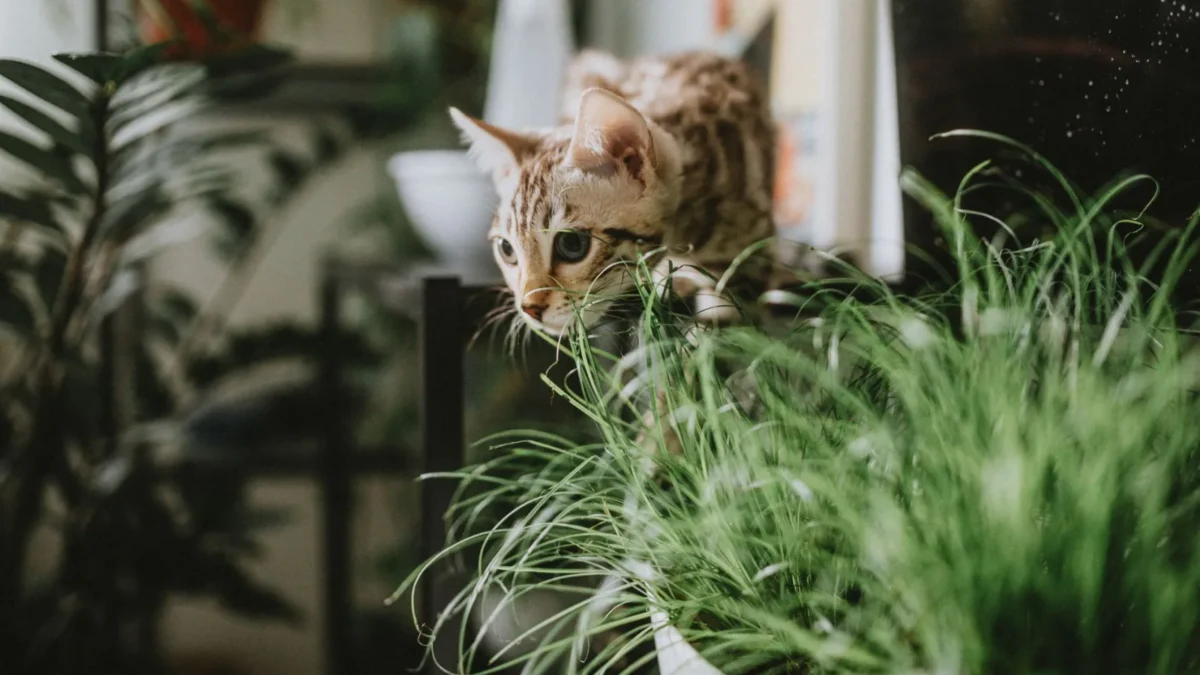
Quick answer: Most popular houseplants are toxic to cats and dogs—57% of common houseplants pose a risk—but plenty of beautiful, low-maintenance options are completely safe. Spider plants, parlor palms, Boston ferns, African violets, and calatheas are all non-toxic and thrive indoors.
Why Pet-Safe Indoor Plants Matter
Even non-toxic plants can cause stomach upset if eaten, and pets often chew on plants out of boredom or to supplement their diet. Common houseplants poison thousands of US pets each year, making plant selection crucial for any home with cats or dogs.
The Most Dangerous Plants to Avoid
If you have cats, lilies are the single biggest threat: even small exposures, including licking pollen or nibbling a leaf, can cause acute kidney failure and death. Easter lilies specifically can cause fatal kidney failure even at small doses.
Other highly toxic plants include:
- Sago palm: causes potentially fatal liver damage in dogs
- Dieffenbachia, peace lily, pothos, and philodendron: contain calcium oxalate crystals that burn mouths and cause drooling or vomiting,
- Snake plant: contains saponins toxic to both pets
- Asparagus fern: highly toxic, causing vomiting, diarrhea, and skin inflammation
- Fiddle leaf fig: causes mouth irritation, vomiting, and difficulty swallowing
- Oleander, azalea, hyacinth, tulip, and narcissus
Best Pet-Safe Indoor Plants
The safest houseplants for homes with cats and dogs include spider plant, parlor palm, Boston fern, prayer plant, calathea, peperomia, money tree, ponytail palm, African violet, hoya, areca palm, and bamboo palm. All true ferns are pet-safe, including button ferns, bird’s nest ferns, and Kimberly Queen ferns.
For low-light rooms, parlor palm is the top choice—it tolerates the lowest light of any pet-safe palm. Cast Iron Plants are nearly indestructible and survive low light and neglect. Large statement plants worth buying include the areca palm (grows 6-8 feet tall) and bamboo palm.
For herbs, basil, sage, cilantro, dill, rosemary, thyme, catnip, and cat grass are all non-toxic. Several succulents are safe too: echeveria (hens and chicks), burro’s tail, Christmas cactus, and haworthia.
What to Do if Your Pet Eats a Plant
First, remove the plant and any chewed material from your pet’s mouth. Identify the plant and take a photo or sample. Do not try to make your pet sick unless a vet tells you to.
Call your vet, the ASPCA Poison Control at 1-888-426-4435, or Pet Poison Helpline at (855) 764-7661. If your cat ate a true lily, go to the vet immediately rather than wait. For severe symptoms—trouble breathing, seizures, collapse, or unresponsiveness—go directly to an emergency veterinary hospital.
Sources
- 30 Common Houseplants Toxic to Pets (A to Z): Cat, Dog, and Bird Safety Guide
- Toxic Houseplants for Cats & Dogs
- Poisonous House Plants for Dogs and Cats – Wedgewood Pharmacy
Photo: Helena Jankovičová Kováčová / Pexels, Pexels