Corn Plant Dracaena fragrans
Corn Plant Care: The Complete Guide
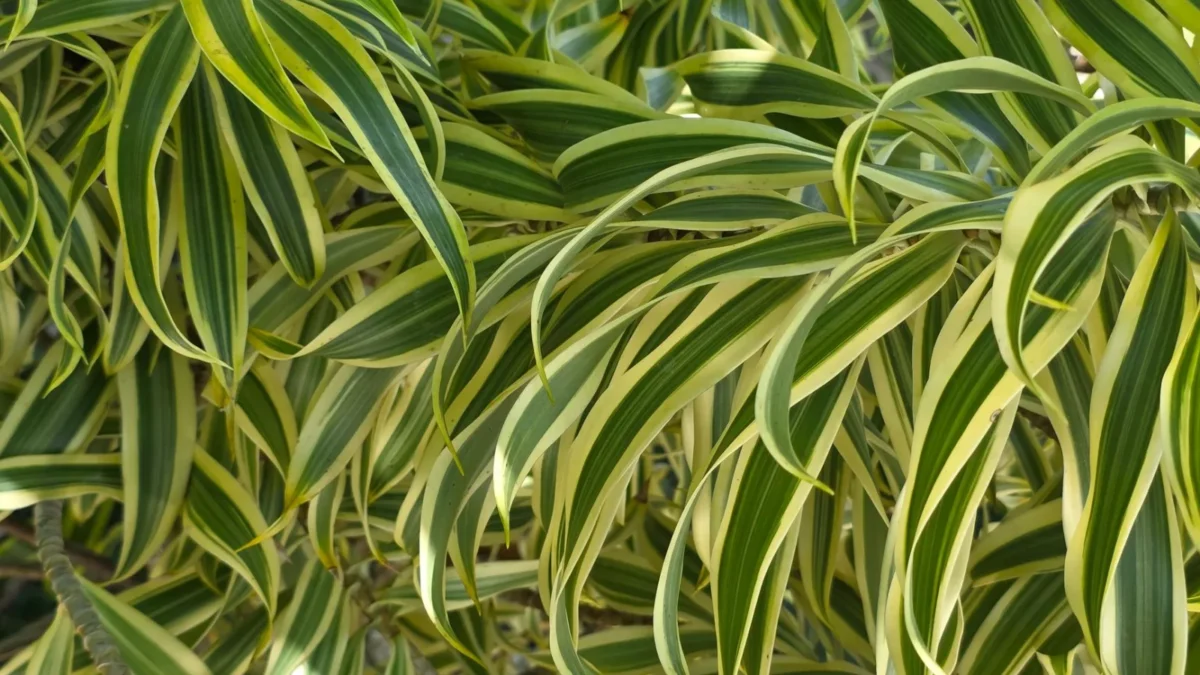
Corn plants are popular, durable, and easy-to-grow indoor houseplants that bring tropical foliage to any room. This care guide covers everything you need to know to grow and maintain a healthy corn plant indoors, from establishing the right light conditions to solving common problems. With the right setup, your corn plant will thrive and grow slowly into an attractive specimen.
| Botanical name | Dracaena fragrans |
|---|---|
| Light | Bright indirect light; tolerates some low light; avoid direct sun |
| Watering | Spring/summer: water when top 1" of soil feels dry; fall/winter: water when top 2" is dry; never let soil totally dry ou |
| Humidity | 40-60%; ideally 50-65% to prevent brown leaf tips |
| Temperature | 60-75°F optimal; thrive at 70-80°F; keep above 50°F; avoid below 40°F |
| Soil | Loamy, peaty, well-drained potting soil; pH 6.0-6.5; peat moss, perlite, regular potting soil mix |
| Feeding | Balanced water-soluble fertilizer (10-10-10 or 20-20-20) at half strength; monthly during spring/summer; reduce/stop in |
| Size | 4-6 ft tall indoors; grows slowly; can reach 6 ft or more |
| Difficulty | easy |
| Cats | ⚠️ toxic — Saponins cause vomiting, depression, anorexia, hypersalivation, dilated pupils |
| Dogs | ⚠️ toxic — Saponins cause vomiting, depression, anorexia, hypersalivation, dilated pupils |
Key points
- Bright indirect light is best; the plant tolerates low light but direct sun prevents optimal foliage color
- Water when the top 1″ of soil feels dry in spring and summer; reduce to top 2″ in fall and winter
- Maintain 40–60% humidity, ideally 50–65%, to prevent brown leaf tips
- Use well-drained, loamy, slightly acidic soil (pH 6.0–6.5) to prevent salt and fluoride buildup
- Feed with balanced fertilizer at half strength monthly during growing season only
- The plant is toxic to cats and dogs and should be kept out of reach
Light Requirements for Corn Plants
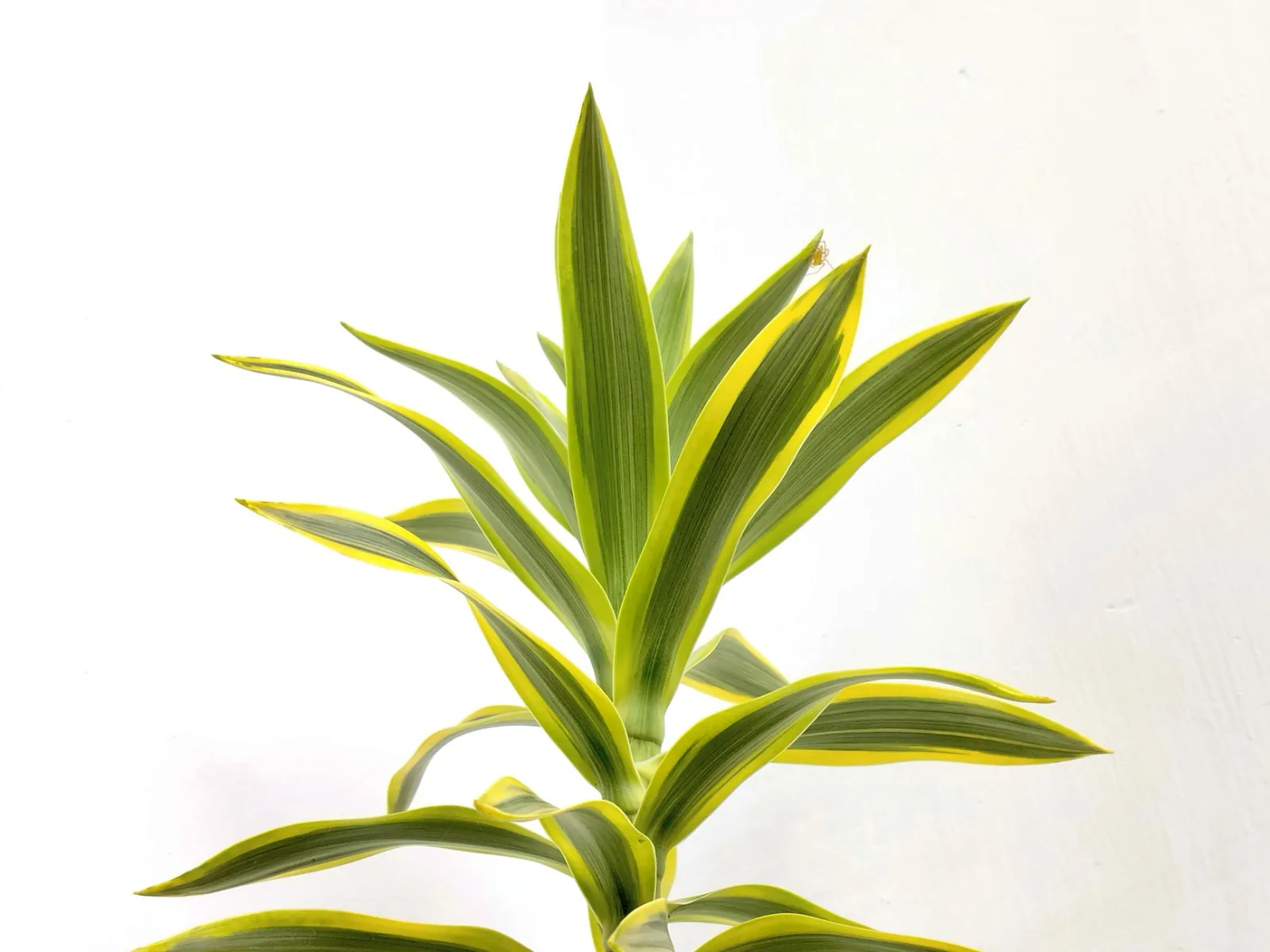
Corn plants are best sited in bright indirect light locations protected from significant periods of direct sun and drafts. The plant tolerates some low light, making it suitable for offices or rooms without a south-facing window. However, too much sun may prevent best foliage color from developing.
If your corn plant is in a very low-light location, you may notice the leaves turning yellow or brown. Rotate the pot occasionally to encourage even growth on all sides, and position it near a bright window where it receives filtered light through sheer curtains or from being several feet away from direct rays.
Watering Your Corn Plant
Proper watering is crucial for corn plant care. Keep soils uniformly moist during the growing season, but reduce watering from fall to late winter. The key is finding the balance—never allow the soils to totally dry out, but avoid waterlogging them.
During active growth periods in the spring and summer months, water corn plants whenever the top 1″ of soil feels dry. During fall and winter months, reduce watering to whenever the top 2″ of soil become dry. This shift reflects the plant’s slower growth during cooler months. Corn plants really don’t like being left in wet soil—allow the soil to dry slightly between waterings, and ensure your pot has drainage holes.
Water Quality Matters
Dracaena fragrans is highly sensitive to fluoride and chlorine in tap water. Most municipal tap water in the US and UK is fluoridated, and that fluoride accumulates in the leaf tips, killing the cells and turning them crispy brown. Avoid using hard tap water, as it can reduce the acidity of the compost and its fluoride content can damage the foliage.
Use filtered or distilled water whenever possible. This single change can dramatically reduce the appearance of brown tips over time.
Overwatering and Root Rot
The most common cause of yellowing leaves among corn plants is improper soil moisture—in particular, overwatering. Your plant doesn’t like “wet feet,” which will cause the roots to rot and lead to the eventual death of the plant. Yellow and browning leaves are the first sign that root rot may be occurring. Corn plants thrive in soil that is moist, but never soggy.
Humidity and Temperature
Corn plants are tropical plants that need both warmth and humidity to thrive. The humidity in most homes during winter, particularly around heating systems, falls well below the 50 percent that corn plants ideally prefer.
Corn plants prefer 40–60% humidity. To prevent brown leaf tips, aim for 50 to 65% humidity. Low humidity is often the culprit when leaves begin to turn brown at the edges and tips, curl, or look dull and stressed. Simple ways to increase humidity include misting the leaves, placing the pot on a tray with pebbles and water, or grouping plants together.
Temperature Requirements
Plants tolerate a wide range of indoor temperatures, but are best grown in temperatures of 60–75°F. Keep the temperature above 50°F if possible, as periods of cold (below 40°F) can harm these tropical plants., Corn plants thrive in temperatures of 70 to 80°F. Avoid placing the plant too close to a radiator in winter, as this will cause browning of the foliage.
Soil and Repotting
Corn plants perform best in specific soil conditions. Use a loamy, peaty, well-drained potting soil. The corn plant prefers well-draining, loamy soil with a pH range of 6.0 to 6.5. A mixture of peat moss, perlite, and regular potting soil works well, providing both good drainage and moisture retention. Alternatively, use a rich, free-draining houseplant mix with standard peat-free compost with about 20% perlite plus a handful of orchid bark for aeration, kept at a slightly acidic pH of 6.0–6.5, which limits the fluoride injury dracaenas are prone to.
When and How to Repot
Repot the plant every 2–3 years with fresh soil, and ensure the pot has adequate drainage holes. For a large, heavy specimen, top-dressing—replacing the top 3–5 cm of soil—is a gentler option most years, with a full repot only every 2–3 years. After repotting, do not fertilize for about 4 weeks, as fresh mix already carries nutrients and feeding freshly disturbed roots scorches them.
To avoid nutrient build-up, flush the soil thoroughly with water every few months.
Feeding and Fertilizer
Use a balanced, water-soluble fertilizer once a month during the growing season (spring and summer), and reduce or stop fertilizing in the fall and winter. Use a balanced, water-soluble fertilizer with an NPK ratio of 10–10–10 or 20–20–20, diluted to half strength.
Over-fertilization is a common mistake. Brown leaf tips or margins, wilting despite adequate watering, and white crust on soil surface indicate over-fertilization. If you suspect nutrient buildup, flush the soil thoroughly with water.
Pruning and Maintenance
No pruning is strictly required for corn plant care. Weak stems may be shortened to 15 cm in spring, and the resulting cutting can be used to propagate a new plant. As a corn plant matures and grows taller, the lower leaves naturally mature and drop off—this is normal and not a cause for concern.
The plant grows slowly but can reach 6 ft (1.8 m) or more indoors.
Propagation Methods
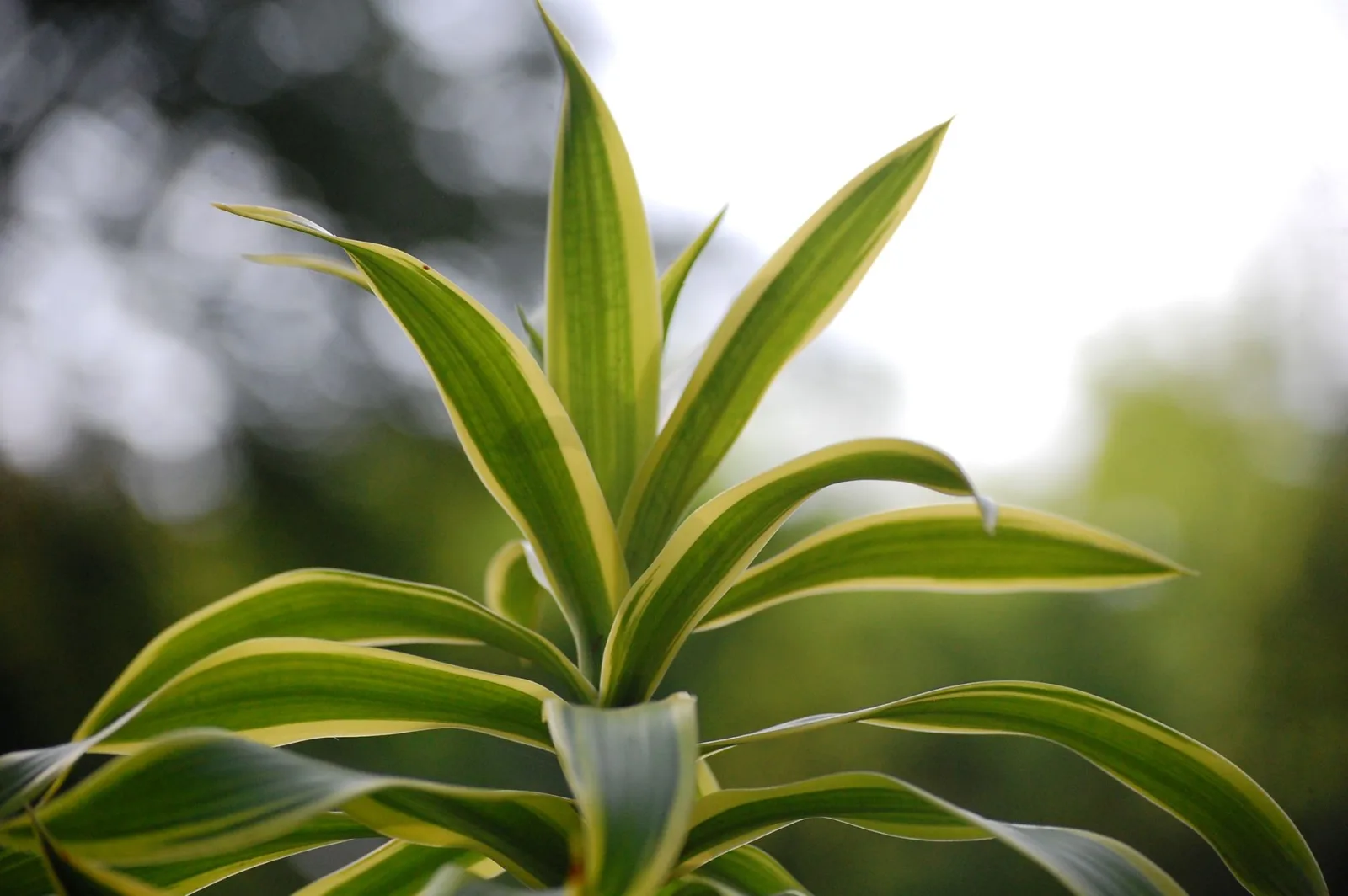
Dracaena fragrans propagates easily from stem cuttings with at least one node. Each cutting should be eight inches long and have several nodes; remember, rooting occurs at the nodes.
Water Propagation
Water propagation works for most growers—pop the cutting in a jar of filtered water on a bright windowsill, change water weekly, and transplant to soil once roots reach 2 inches. Roots typically appear in 2–4 weeks and can take longer at cooler temperatures. This method is ideal for beginners because you can see roots forming and monitor progress easily.
Soil Propagation
Soil propagation has slightly higher long-term survival because there’s no transplant shock. Maintain the soil moist until rooting occurs; rooting will occur in about 3–6 weeks.
Avoiding Common Mistakes
Avoid tap water for propagation because it usually contains salt that makes rooting difficult. Tap water may also contain fluoride and chlorine, which are harmful to dracaena. Use distilled or filtered water instead. Both water and soil propagation methods work well, but water propagation succeeds 80%+ of the time in typical home conditions.
Common Problems and Solutions
Brown Leaf Tips
Brown leaf tips are one of the most common complaints about corn plants. Fluoride in tap water is the #1 cause. Low humidity and dry soil also cause leaves to droop and brown on their edges. If the air is too dry, you will likely see browning leaf tips and yellowing margins in new foliage. Switch to filtered water, bump up the humidity however you can, and flush the soil really well every few months to wash out any accumulated minerals.
Yellowing Leaves
Yellowing leaves most commonly result from overwatering and root rot. Check that your pot has adequate drainage and that you’re following the seasonal watering schedule. Without enough light, leaves may also turn yellow or brown.
Leaf Droop and Wilting
Leaves may droop due to low humidity, dry soil, or both. Check the soil moisture and increase humidity by misting or using a pebble tray. If the soil is dry and the leaves are drooping, water thoroughly. If wilting persists despite adequate watering and brown leaf tips or margins are visible, over-fertilization may be the cause.
Pest Infestations
Watch for spider mites, thrips, and scale. Monitor also for mealybugs, aphids, and fungus gnats. Inspect the undersides of leaves regularly, as pests often hide there. Early detection makes treatment easier.
Fungal Leaf Spot
Dracaena plants can develop brown spots with yellow halos on the middle of their leaves. This is often a fungal infection called fusarium leaf spot, and it’s contagious, so separate that plant immediately. Fungal leaf spot often results if the leaves are gotten wet during watering. Water at the soil level and avoid wetting the foliage.
Pet Safety: Is Corn Plant Toxic to Cats and Dogs?
The corn plant is toxic to dogs and toxic to cats. The toxic principles are saponins—naturally occurring chemicals found throughout the leaves, stems, and roots of the plant. When ingested, saponins disrupt the digestive system and can cause a range of unpleasant symptoms.
Clinical signs of poisoning include vomiting (occasionally with blood), depression, anorexia, hypersalivation, and dilated pupils in cats. If you suspect your pet has ingested part of the plant, contact your veterinarian or poison control immediately. Keep the corn plant out of reach of cats and dogs by placing it on a high shelf or in a room they cannot access.
FAQ
How often should I water my corn plant?
Water when the top 1″ of soil feels dry during spring and summer, and when the top 2″ is dry during fall and winter., Never let the soil totally dry out or become waterlogged.
What humidity level does a corn plant need?
Corn plants prefer 40–60% humidity, ideally 50–65% to prevent brown leaf tips., In dry indoor environments, mist the leaves or use a pebble tray to increase moisture around the plant.
Can I use tap water for my corn plant?
No—avoid tap water because it contains fluoride and chlorine, which damage corn plant foliage., Use filtered or distilled water instead to prevent brown tips and maintain soil acidity.
How big does a corn plant grow indoors?
Corn plants typically grow 4–6 ft tall indoors and grow slowly, but can reach 6 ft or more.,
When should I repot my corn plant?
Repot every 2–3 years with fresh soil, ensuring the pot has adequate drainage holes. Alternatively, use top-dressing (replacing the top 3–5 cm of soil) most years, with a full repot only every 2–3 years for large specimens.
Is corn plant toxic to pets?
Yes—the corn plant is toxic to both cats and dogs. The toxic compound is saponin, which causes vomiting, depression, anorexia, hypersalivation, and dilated pupils when ingested. Keep the plant out of reach of pets and contact a veterinarian immediately if ingestion is suspected.
More about Corn Plant
Sources
- Dracaena fragrans – Plant Finder
- Corn Plant (Dracaena fragrans) Care Guide 🌟 – Healthy Houseplants
- Corn Plant Care
Photo: evalyne mutheu / Pexels, Pexels