Corn Plant Dracaena fragrans
Why Are My Corn Plant Leaves Turning Brown at the Tips
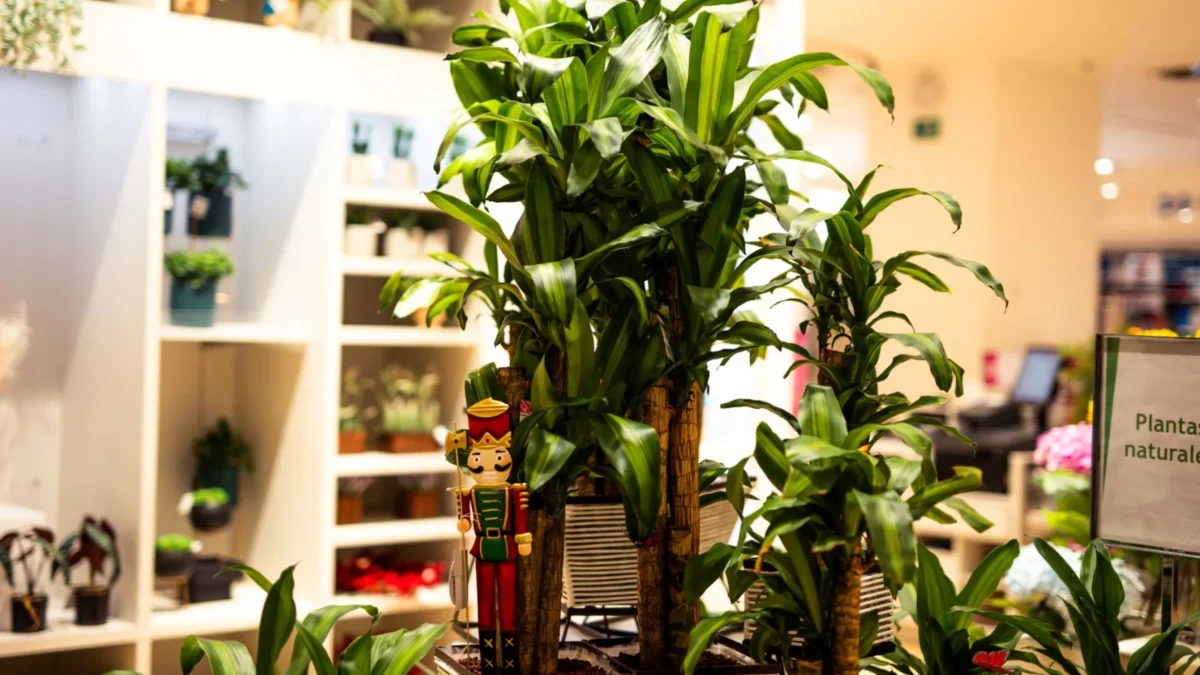
Quick answer: Brown tips on corn plant leaves are most commonly caused by fluoride in tap water, low humidity, or dry soil. Switch to filtered water, increase humidity to 50–65%, and adjust your watering schedule to prevent the problem.
| Botanical name | Dracaena fragrans |
|---|---|
| Light | Bright indirect light; tolerates some low light; avoid direct sun |
| Watering | Spring/summer: water when top 1" of soil feels dry; fall/winter: water when top 2" is dry; never let soil totally dry ou |
| Humidity | 40-60%; ideally 50-65% to prevent brown leaf tips |
| Temperature | 60-75°F optimal; thrive at 70-80°F; keep above 50°F; avoid below 40°F |
| Soil | Loamy, peaty, well-drained potting soil; pH 6.0-6.5; peat moss, perlite, regular potting soil mix |
| Feeding | Balanced water-soluble fertilizer (10-10-10 or 20-20-20) at half strength; monthly during spring/summer; reduce/stop in |
| Size | 4-6 ft tall indoors; grows slowly; can reach 6 ft or more |
| Difficulty | easy |
| Cats | ⚠️ toxic — Saponins cause vomiting, depression, anorexia, hypersalivation, dilated pupils |
| Dogs | ⚠️ toxic — Saponins cause vomiting, depression, anorexia, hypersalivation, dilated pupils |
| What you see | Likely cause | What to do |
|---|---|---|
| Brown, crispy tips; gradual spread over time | Fluoride and chlorine in tap water | Switch to filtered water; flush soil every few months |
| Brown tips and edges, especially new leaves | Low humidity | Increase humidity to 50–65%; mist regularly or use a humidifier |
| Brown tips; soil is dry to touch | Underwatering | Water when top 1″ feels dry in spring/summer, top 2″ in fall/winter |
| Brown, papery patches; heat source nearby | Heat stress or drafts | Move plant away from radiators, heaters, and cold drafts |
| Brown leaf tips; white crust on soil | Over-fertilization or salt buildup | Reduce fertilizer to half strength; flush soil with water |
| Brown spots with yellow halos on leaf centers | Fungal leaf spot | Separate plant; water soil only, avoid wetting foliage |
Fluoride in tap water: the #1 culprit
Dracaena fragrans is highly sensitive to fluoride and chlorine in municipal tap water. The fluoride accumulates in leaf tips over time, killing the cells and turning them brown and crispy. This is the most common complaint with corn plants.
Fix it by switching to filtered or distilled water. If you’ve been using tap water, flush your soil thoroughly with filtered water every few months to wash out accumulated fluoride.
Humidity and dry soil
Corn plants ideally prefer 40–60% humidity, though 50–65% is best to prevent brown leaf tips. Winter heating systems often drop indoor humidity well below 50%, making brown tips appear on new growth.
At the same time, if the soil dries out between waterings, leaf tips brown and edges curl. During spring and summer, water whenever the top 1″ of soil feels dry. In fall and winter, reduce watering and wait until the top 2″ is dry. Never let the soil dry out completely.
To boost humidity, mist the leaves regularly, group plants together, or place a humidifier nearby. Even a pebble tray with water under the pot helps.
Heat stress and other causes
Keep your corn plant away from cold drafts (below 50°F harms tropical plants) and heat sources like radiators, which dry leaves and cause browning. The ideal temperature range is 60–75°F.
Over-fertilizing also causes brown tips. Use a balanced, water-soluble fertilizer at half strength once a month during spring and summer, then reduce or stop in fall and winter. If you see a white crust on the soil surface or browning despite adequate watering, flush the soil with water to remove salt buildup.
Preventing brown tips
Use filtered water, maintain humidity at 50–65%, and stick to a consistent watering schedule: moist soil in growing season, slightly drier in winter. Keep your corn plant in bright, indirect light away from direct sun and heat sources. Every 2–3 years, repot with fresh, well-draining potting soil. If brown tips have already formed, they won’t green up—but new growth will be healthy once conditions improve.
Read the full guide: Corn Plant Care: The Complete Guide
More about Corn Plant
The same problem in other plants
- Why Are My Norfolk Island Pine Leaves Turning Brown?
- Why Is My Rattlesnake Plant Turning Brown?
- Why Are My Aluminum Plant Leaves Turning Brown or Black?
- Why Is My Air Plant Turning Brown?
Sources
- Dracaena fragrans – Plant Finder
- Corn Plant (Dracaena fragrans) Care Guide 🌟 – Healthy Houseplants
- Corn Plant Care
Photo: Ludovic Delot / Pexels, Pexels