Dracaena Marginata Dracaena marginata
Dracaena Marginata Care: The Complete Guide
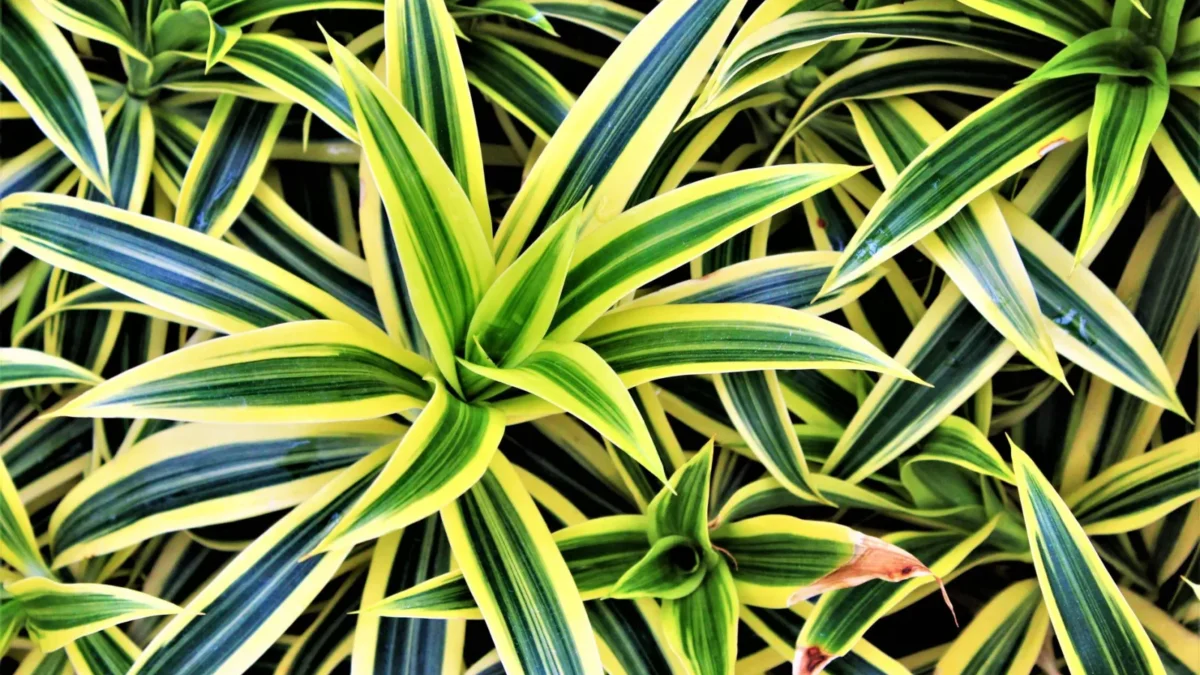
Dracaena marginata care is straightforward once you understand the plant’s core needs: bright indirect light, consistent but not excessive watering, and protection from cold. This tropical houseplant from the Asparagaceae family is forgiving enough for beginners and rewarding for experienced plant parents, thriving in most homes with minimal fuss. In this guide, you’ll learn everything needed to keep your dracaena marginata healthy and thriving indoors.
Dracaena Marginata at a glance
| Botanical name | Dracaena marginata |
|---|---|
| Light | Bright indirect light; tolerates low light but loses color in shade; avoid direct sun |
| Watering | Water when top 1-2 inches of soil dry; every 5-7 days; reduce in fall to late winter |
| Humidity | Moderate humidity 40-55%; average household humidity sufficient |
| Temperature | 60-85°F; avoid below 55°F and cold drafts |
| Soil | Well-draining peat-free loam-based compost; perlite and orchid bark mix |
| Feeding | Monthly balanced liquid fertilizer at half strength spring-summer; stop fall-winter |
| Size | 6 feet tall or more unless pruned |
| Difficulty | easy |
| Cats | ⚠️ toxic — Saponins; vomiting, drooling, weakness, incoordination |
| Dogs | ⚠️ toxic — Saponins; vomiting, drooling, weakness, incoordination |
Key points
- Water every 5-7 days when the top 1-2 inches of soil dry out; reduce frequency in fall and winter
- Provide bright indirect light; the plant tolerates low light but loses color in shade
- Keep temperatures between 60–85°F and away from cold drafts below 55°F
- Feed monthly with half-strength balanced fertilizer during spring and summer only
- Repot every 2-3 years into well-draining peat-free soil
- Keep the plant away from pets, as it is toxic to cats and dogs
Light Requirements for Dracaena Marginata
Dracaena marginata performs best in bright indirect light, protected from direct sun. The plant tolerates low light, but foliage loses its best color in too much shade. Avoid placing it in front of south-facing windows without shade, as direct sunlight can scorch the leaves. If you notice your plant’s leaves becoming pale or growth slowing, it’s likely not receiving enough light.
Position your dracaena marginata near an east or west-facing window with a sheer curtain, or place it a few feet back from a bright window. In offices with fluorescent lighting, the plant typically does well, though it will grow more slowly than in natural bright light.
Watering Your Dracaena Marginata Correctly
Proper watering is the foundation of successful dracaena marginata care. Water every 5 to 7 days during the growing season. The key indicator is soil moisture: wait for the top 1-2 inches of soil to dry out before watering again. Keep soil uniformly moist during spring and summer, but reduce watering from fall to late winter.
In winter, when the plant grows much slower and enters a period of rest, reduce your watering frequency to every 10-14 days. Always check the soil before watering—overwatering is far more damaging than underwatering. Use room-temperature water and ensure the pot has drainage holes to prevent water from sitting at the roots.
Consider using the dunk and drip-dry method: submerge the entire pot in water for a few minutes, then allow it to drain completely. Use this method once a week in summer and twice a month in winter.
Humidity and Temperature Needs
Dracaena marginata prefers moderate humidity between 40 and 55 percent. The good news is that average household humidity is usually sufficient—you don’t need to mist constantly or invest in a humidifier. However, in very dry interior conditions during winter heating season, some tip browning may occur, a characteristic Dracaena sensitivity to dry air.
If you notice brown leaf tips developing, try grouping your plant with others to create a microclimate, wiping leaves with a damp cloth monthly, or placing it on a pebble tray with water. These simple steps raise local humidity without effort.
Temperature preferences
Dracaena species prefer consistent warmth between 60 to 85 degrees Fahrenheit. The plant is sensitive to temperatures below 55 degrees Fahrenheit and cold drafts, so keep it away from air conditioning vents, open windows in winter, and cold exterior walls.
Drafty, cold areas and big temperature swings can stress the plant to the point of leaf loss. Maintain steady warmth, and your dracaena marginata will reward you with steady growth.
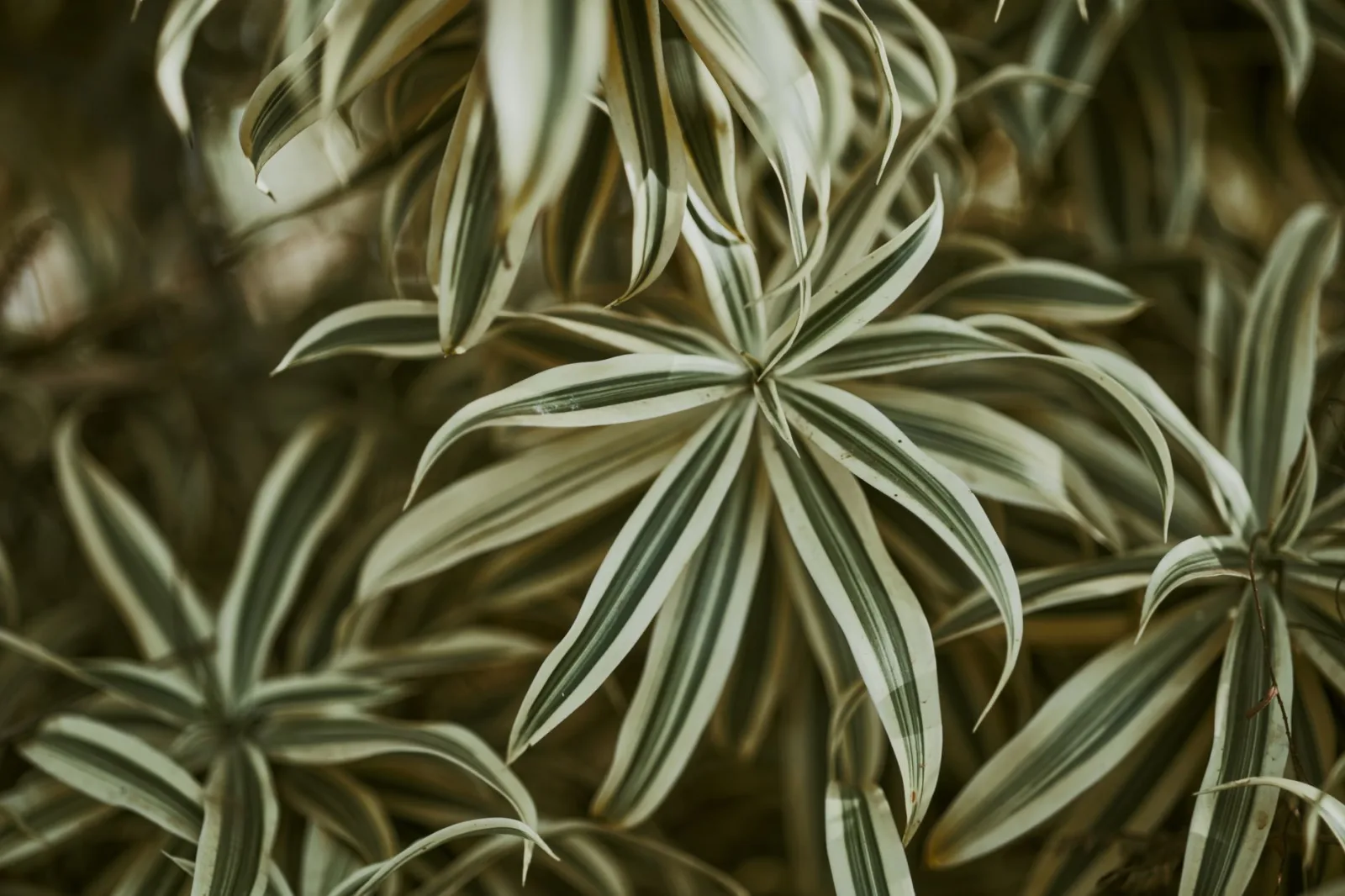
Soil and Repotting Dracaena Marginata
Use a well-draining peat-free, loam-based compost to support healthy roots. A suitable mix is three parts peat-free ericaceous compost, one part perlite, and one part medium-sized orchid bark. This combination ensures water drains quickly while still retaining enough moisture for the plant’s needs.
When and how to repot
Dracaena marginata grows slowly, so repotting every 2-3 years in spring is usually sufficient. Repot when roots are clearly filling the container and emerging from the drainage holes, or when water rushes straight through without absorbing. Choose a pot that’s only slightly larger than the current one—about one size up—to avoid overwatering issues.
After repotting, avoid fertilizing for 4-6 weeks to allow the plant to adjust to fresh soil.
Feeding and Fertilizing
Dracaena species are light feeders that grow slowly and don’t benefit from heavy feeding. Feed monthly during spring and summer with a balanced liquid fertilizer at half strength. Consistent light feeding produces steadier, better-quality growth than periodic heavy applications.
Stop feeding in fall and winter when the plant is not actively growing. Over-fertilizing can damage the plant and contribute to brown leaf tips, so restraint is wise.
Pruning and Shaping
Dracaena marginata typically grows to 6 feet tall or more over time unless pruned shorter. The plant requires little regular pruning, although weak stems may be shortened to 15 cm (6 inches) in spring.
Remove yellow, brown, and damaged leaves as they appear. You can carefully cut away brown tips by avoiding the healthy green flesh. As the plant matures, it commonly sheds the lowest, oldest leaves as it grows taller—this is normal.
When you prune the top or cut stems, the removed sections root readily in moist potting mix in warm conditions. You can lay sections horizontally in the mix or plant them upright—both methods work well.
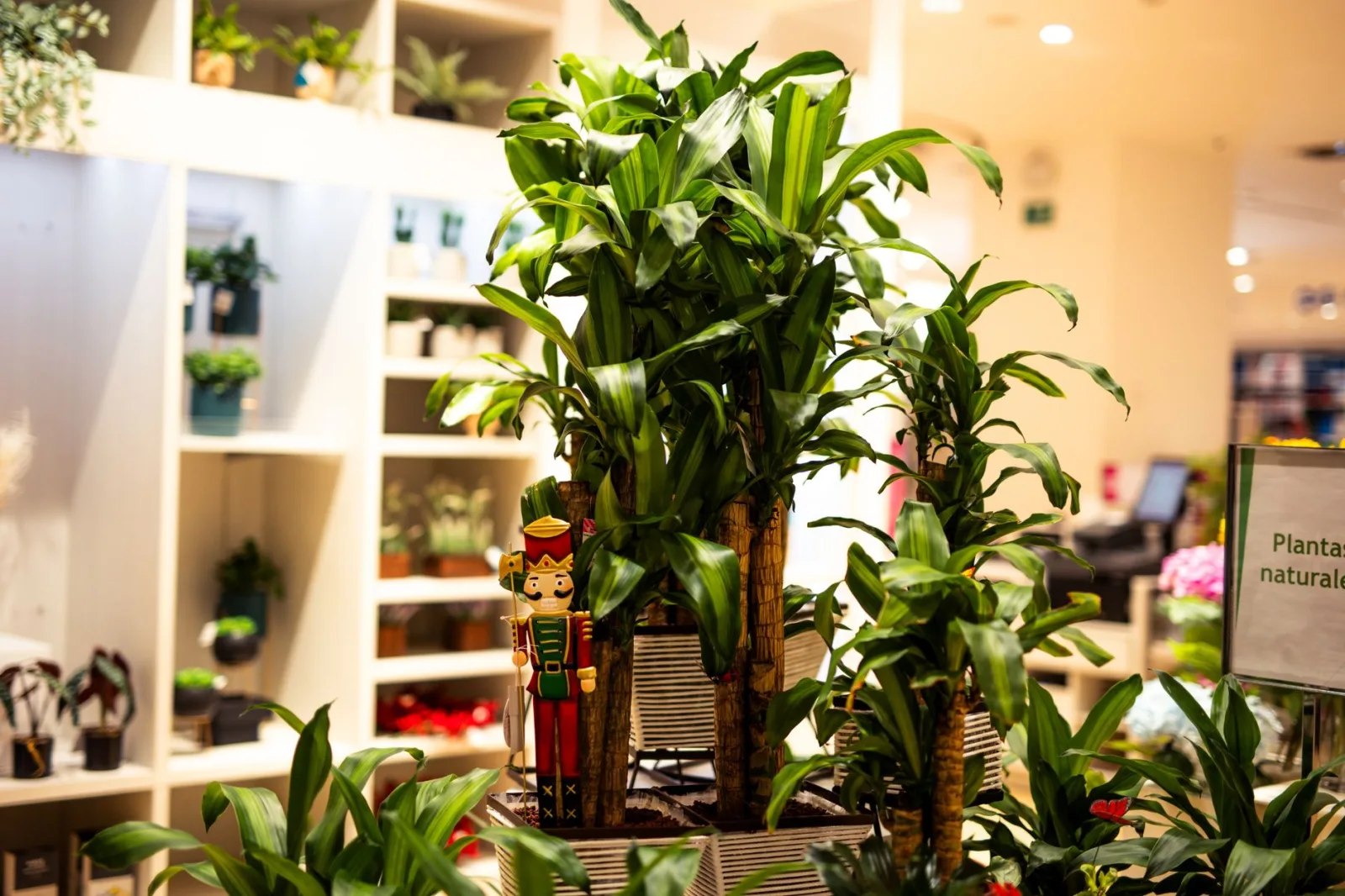
Propagating Dracaena Marginata
Propagation is simple and reliable. Take a healthy 6-8 inch stem cutting and remove the lower leaves. Root it in water or moist potting mix, keeping it consistently damp. Expect roots to develop in about 3-4 weeks.
Once roots are visible, transfer water-rooted cuttings to potting mix. Keep the young plant in bright, indirect light and maintain consistent moisture until it’s established.
Common Problems and Solutions
Yellow leaves
Yellow leaves usually indicate overwatering, the most common cause at 68% of cases. Saturated soil suffocates roots, halting oxygen exchange and triggering ethylene production—a hormone that accelerates chlorophyll breakdown. Yellowing starts at leaf tips and spreads along margins. Reduce watering and ensure the soil dries out between applications. Yellow leaves can also indicate insufficient light; move the plant to a brighter location. Fluoride in tap water can also cause yellowing followed by browning, starting in older leaves at the tips and edges. Switch to rainwater or filtered water if this pattern appears.
Drooping leaves
Drooping leaves are almost always caused by overwatering and waterlogged soil leading to oxygen deprivation in the roots. If caught early, the plant recovers fully within 7-10 days when you stop watering immediately, remove the plant from its pot, prune visibly brown or mushy roots, repot into fresh well-draining soil, and relocate it to bright indirect light. Although Dracaenas tolerate dry conditions well, underwatering combined with placement near a heater or in excessively hot, dry air can also cause wilting and drooping.
Leaf drop
If the plant gets too wet or roots become rotten, drooping leaves often lead to leaf fall. Cold stress, drafty areas, fluctuating temperatures, and sudden environmental changes also trigger leaf loss. Maintain steady, warm conditions and proper watering to prevent this.
Brown leaf tips
Brown leaf tips are usually caused by water quality (fluoride and mineral salts), low humidity, or over-fertilizing. Switch to filtered water, raise humidity by misting or grouping plants, and reduce feeding frequency.
Pests
Watch for spider mites, mealybugs, and scale, which occasionally affect dracaena marginata indoors. Inspect new plants before bringing them home, isolate infested plants, and treat with insecticidal soap or neem oil following product instructions.
FAQ
Is Dracaena Marginata Toxic to Pets?
Yes, dracaena marginata is toxic to both cats and dogs. The toxic principle is saponins. In cats, symptoms include dilated pupils, abdominal pain, increased heart rate, and drooling. In both cats and dogs, toxicity causes vomiting, depression, loss of appetite, drooling, incoordination, and weakness. Position the plant carefully, out of reach of both pets and young children.
Can Dracaena Marginata survive low light?
Yes, the plant survives low light but grows slower and with less vibrant color. Bright, indirect light is ideal for the best appearance and growth rate.
How often should I water in winter?
In winter, reduce watering to every 10-14 days, as the plant grows much slower and requires a period of rest. Check soil moisture before watering—the plant is semi-dormant and needs far less water than in growing season.
How tall does Dracaena Marginata grow?
Dracaena marginata typically grows to 6 feet tall or more over time unless pruned shorter. Regular pruning allows you to maintain a more compact size and shape.
When should I repot my Dracaena Marginata?
Repot every 2-3 years in spring, or when roots are emerging from drainage holes or growth has stalled. Choose a pot only slightly larger than the current one to avoid overwatering problems.
What soil is best for Dracaena Marginata?
Use a well-draining peat-free, loam-based compost mixed with perlite and orchid bark. A mixture of three parts peat-free ericaceous compost, one part perlite, and one part medium-sized orchid bark works well.