Dracaena Marginata Dracaena marginata
Why Is My Dracaena Marginata Drooping and Dropping Leaves?
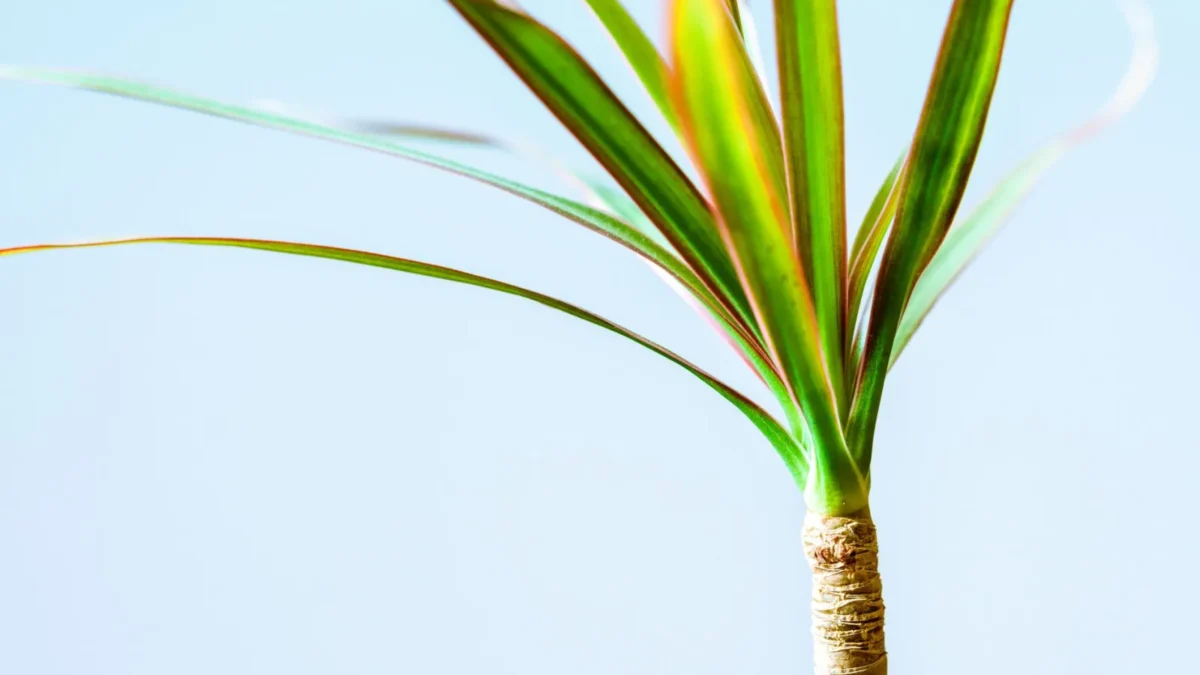
Quick answer: Drooping leaves on your Dracaena marginata are almost always caused by overwatering and waterlogged soil, which suffocates the roots and triggers early root rot. Underwatering, cold temperatures, and drafts can also cause drooping and leaf drop.
Dracaena Marginata at a glance
| Botanical name | Dracaena marginata |
|---|---|
| Light | Bright indirect light; tolerates low light but loses color in shade; avoid direct sun |
| Watering | Water when top 1-2 inches of soil dry; every 5-7 days; reduce in fall to late winter |
| Humidity | Moderate humidity 40-55%; average household humidity sufficient |
| Temperature | 60-85°F; avoid below 55°F and cold drafts |
| Soil | Well-draining peat-free loam-based compost; perlite and orchid bark mix |
| Feeding | Monthly balanced liquid fertilizer at half strength spring-summer; stop fall-winter |
| Size | 6 feet tall or more unless pruned |
| Difficulty | easy |
| Cats | ⚠️ toxic — Saponins; vomiting, drooling, weakness, incoordination |
| Dogs | ⚠️ toxic — Saponins; vomiting, drooling, weakness, incoordination |
| What you see | Likely cause | What to do |
|---|---|---|
| Drooping, soft stems; soil stays wet | Overwatering and root rot | Stop watering immediately, repot into fresh well-draining soil, prune brown/mushy roots |
| Drooping but soil is completely dry | Underwatering or dry air | Water thoroughly, then water when top 1–2 inches of soil dry; mist or increase humidity |
| Drooping plus yellowing leaves | Overwatering (68% of cases) | Reduce watering to every 5–7 days; ensure soil dries between waterings |
| Loss of lower, oldest leaves only | Natural shedding as plant grows | No action needed; this is normal |
| Drooping after moving; sudden temperature drop | Cold stress or drafts | Move away from cold windows and drafts; keep temperature 60–85°F |
Overwatering: The #1 Reason for Drooping
Overwatering is by far the most common cause. When soil stays waterlogged, roots cannot access oxygen, which halts normal function and triggers early-stage root rot. The plant wilts and droops because its vascular system breaks down.
If you catch it early, your plant can recover fully. In over 85% of verified cases, plants recover completely within 7–10 days when you act fast:
- Stop watering immediately
- Remove the plant from its pot
- Prune visibly brown or mushy roots
- Repot into fresh, well-draining soil (use three parts peat-free ericaceous compost, one part perlite, and one part medium-sized orchid bark)
- Place in bright, indirect light
Going forward, water only when the top 1–2 inches of soil are dry. A typical schedule is every 5–7 days during spring and summer, but reduce watering from fall to late winter.
Other Causes: Underwatering, Cold, and Drafts
Although less common, underwatering can cause significant drooping, especially if the plant sits near a heater or in very dry air. Feel the soil: if it’s rock-hard and pulling away from the pot sides, water thoroughly and establish a regular schedule.
Cold stress is another culprit. Dracaena marginata prefers temperatures between 60–85°F and is sensitive to anything below 55°F and cold drafts. If your plant droops after being moved near a cold window or after a temperature shift, relocate it to a warmer spot away from drafts and heating vents.
Normal Leaf Drop vs. Problem Leaf Drop
Your Dracaena marginata naturally sheds the lowest, oldest leaves as it grows taller—this is healthy. However, if leaves are dropping across all levels or stems are visibly drooping, something is wrong.
If wet soil and overwatering are the culprit, both drooping and widespread leaf drop occur together. Fix the watering immediately using the steps above.
How to Prevent Drooping Going Forward
Use a well-draining potting mix and a pot with drainage holes. Water only when the top 1–2 inches feel dry—resist the urge to water on a fixed schedule. In winter, the plant grows much slower and needs even less water; reduce frequency from fall through late winter.
Keep the plant away from cold drafts and maintain a steady temperature around 60–85°F. Moderate humidity of 40–55% is sufficient; average household humidity works fine.
If you have cats or dogs, keep this plant out of reach—the leaves are toxic and can cause vomiting, drooling, weakness, and incoordination.
Read the full guide: Dracaena Marginata Care: The Complete Guide
More about Dracaena Marginata
The same problem in other plants
- Why Is My Arrowhead Plant Drooping? Causes and Quick Fixes
- Why Is My Chinese Evergreen Drooping?
- Why Is My Prayer Plant Drooping? Causes and Recovery Steps
- Why Is My Peperomia Drooping and How to Fix It
Sources
- How to Care for your Dracaena marginata (Dragon Tree)
- Dracaena Marginata Drooping Leaves: Causes & Fixes
- Essential Tips for Watering Dracaena Marginata
Photo: Stanislav Kondratiev / Pexels, Pexels