Fiddle Leaf Fig Ficus lyrata
Fiddle Leaf Fig Care: The Complete Guide
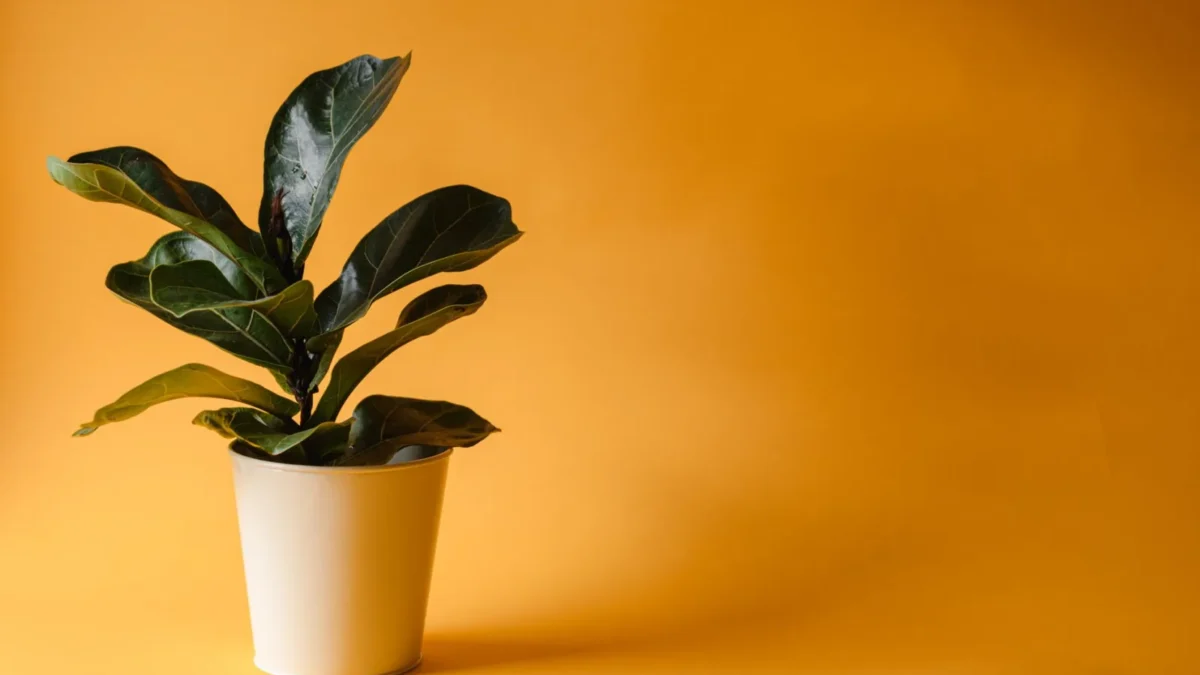
Fiddle leaf fig care is a rewarding challenge for anyone willing to give this striking plant the specific conditions it needs to thrive. With dramatic, deep green leaves up to 18 inches long and 12 inches wide, the fiddle leaf fig (Ficus lyrata) makes a bold statement in any room—but only if you get the essentials right. This guide covers everything from light and watering to fixing common problems, so you can keep your plant healthy and looking its best.
| Botanical name | Ficus lyrata |
|---|---|
| Light | Bright indirect light 6-8 hours daily; tolerates some direct sun, especially east-facing windows |
| Watering | Water every 7-10 days when top inch of soil is dry; reduce in winter to every 2-3 weeks |
| Humidity | 30-65%; ideally above 40% to prevent brown leaf tips |
| Temperature | 60-75°F (15-24°C); avoid below 50°F and above 95°F; sensitive to fluctuations |
| Soil | Well-draining peat-based potting mix with perlite; high in organic matter |
| Feeding | Every 6 months during spring and summer; use 3-1-2 N-P-K ratio; don't fertilize in winter |
| Size | 2-10 ft tall indoors; leaves up to 18 in long and 12 in wide |
| Difficulty | demanding |
| Cats | ⚠️ toxic — Mildly toxic; causes mild gastrointestinal irritation, vomiting, diarrhea |
| Dogs | ⚠️ toxic — Mildly toxic; causes mild gastrointestinal irritation, vomiting, diarrhea |
Key points
- Provide 6–8 hours of bright, indirect light daily; east-facing windows work well
- Water every 7–10 days when the top inch of soil is dry; reduce to every 2–3 weeks in winter
- Maintain humidity above 40% to prevent brown leaf tips; a humidifier is often the easiest solution
- Keep temperatures between 60–75°F and away from drafts and temperature swings
- Use well-draining peat-based soil with perlite; repot every 1–3 years
- This is an advanced houseplant—it’s finicky about light, moisture, and temperature
Light Requirements for Fiddle Leaf Figs
Fiddle leaf figs are sun-loving plants that need bright, indirect light for 6–8 hours daily to maintain their signature large, glossy leaves. East-facing windows are ideal because they provide gentle morning sun without the intense afternoon heat.
While the plant can tolerate some direct sun, afternoon sun from south or west-facing windows can scorch the leaves, causing brown spots and crispy edges. If your fig is in a dimmer spot, expect slower growth, wider spacing between leaves, and greater leaf loss. Position it reasonably close to a suitable window so it receives strong daylight for much of the day.
Watering Your Fiddle Leaf Fig
The general rule is to water every 7 to 10 days, but the real guide is your soil. Let the top inch dry out before watering again. Check by pressing your finger into the soil—if it feels dry to the touch, your plant is thirsty. If it’s still moist, hold off.
When you do water, water thoroughly until it drains from the bottom. The plant is native to a rainforest-like environment, so it prefers a good soak followed by a dry spell rather than constant moisture. Small plants need about 1 cup of water per week, while taller trees need 3 to 4 cups.
Winter watering
During winter, your fiddle leaf fig slows down and drinks less water. Water every 2 to 3 weeks instead, allowing the soil to get up to 50% dry between waterings. Never let the plant sit in water, or it will likely drop leaves and suffer from root rot.
Humidity and Temperature Needs
Humidity
The ideal humidity for a fiddle leaf fig is between 30% to 65%. If you can keep the humidity above 40%, that’s enough to prevent brown leaf tips. Most homes drop to around 10% relative humidity in winter, which is too dry.
The easiest way to provide adequate humidity is to place a humidifier near the plant. Other options include misting the leaves regularly (though avoid excessive misting to prevent fungal issues), using a pebble tray filled with water beneath the pot, or grouping plants together. If humidity is too low, you’ll see brown, crispy leaf edges, leaf curling, and increased leaf drop; in severe cases, new leaves may have difficulty unfurling.
Temperature
Fiddle leaf figs prefer temperatures between 60–75°F (15–24°C). Avoid temperatures below 50°F or above 95°F. The plant is very sensitive to temperature fluctuations and reacts by dropping leaves, so keep it away from air conditioning units, heating vents, and drafts where it might experience shock from sudden temperature changes.
Soil and Repotting Your Fiddle Leaf Fig
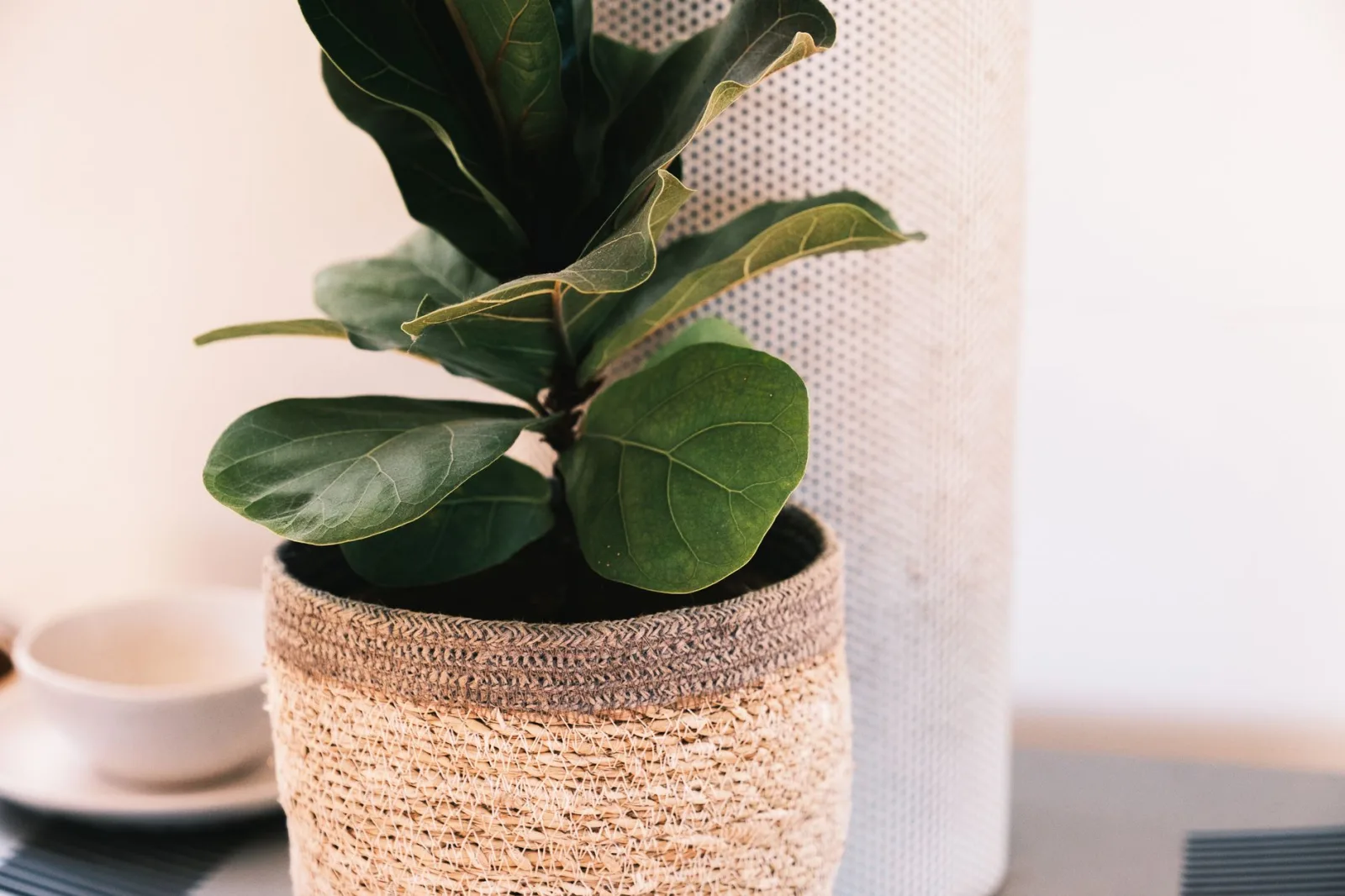
Fiddle leaf figs need well-draining potting media that’s high in organic matter. A peat-based soil with perlite works great and is standard for good reason. Regular potting soil doesn’t have the right pH balance or drainage for this plant, so avoid it.
Repot your fiddle leaf fig every 1 to 3 years. Roots shouldn’t clog up the drainage holes or become root-bound. When you repot, use fresh peat-based mix with perlite and move to a container only slightly larger than the previous one.
Feeding and Fertilizing
Fertilize your fiddle leaf fig every 6 months during the spring and summer growth period. Do not fertilize in winter. When you do feed, use a fertilizer with a 3-1-2 N-P-K ratio (3% nitrogen, 1% phosphorus, and 2% potassium).
Pruning and Training for Growth
Because of their large leaves, fiddle leaf figs are not natural plants to trim down to a small size, though they can take modest pruning to shape. Regularly rotate your plant to ensure even growth on all sides, as it will tend to grow toward the light source.
Dust the leaves regularly to keep them clean and improve photosynthesis. You can gently wipe them with a damp cloth. Don’t move your plant often—once you find a good spot with the right conditions, keep it there.
Propagating Your Fiddle Leaf Fig
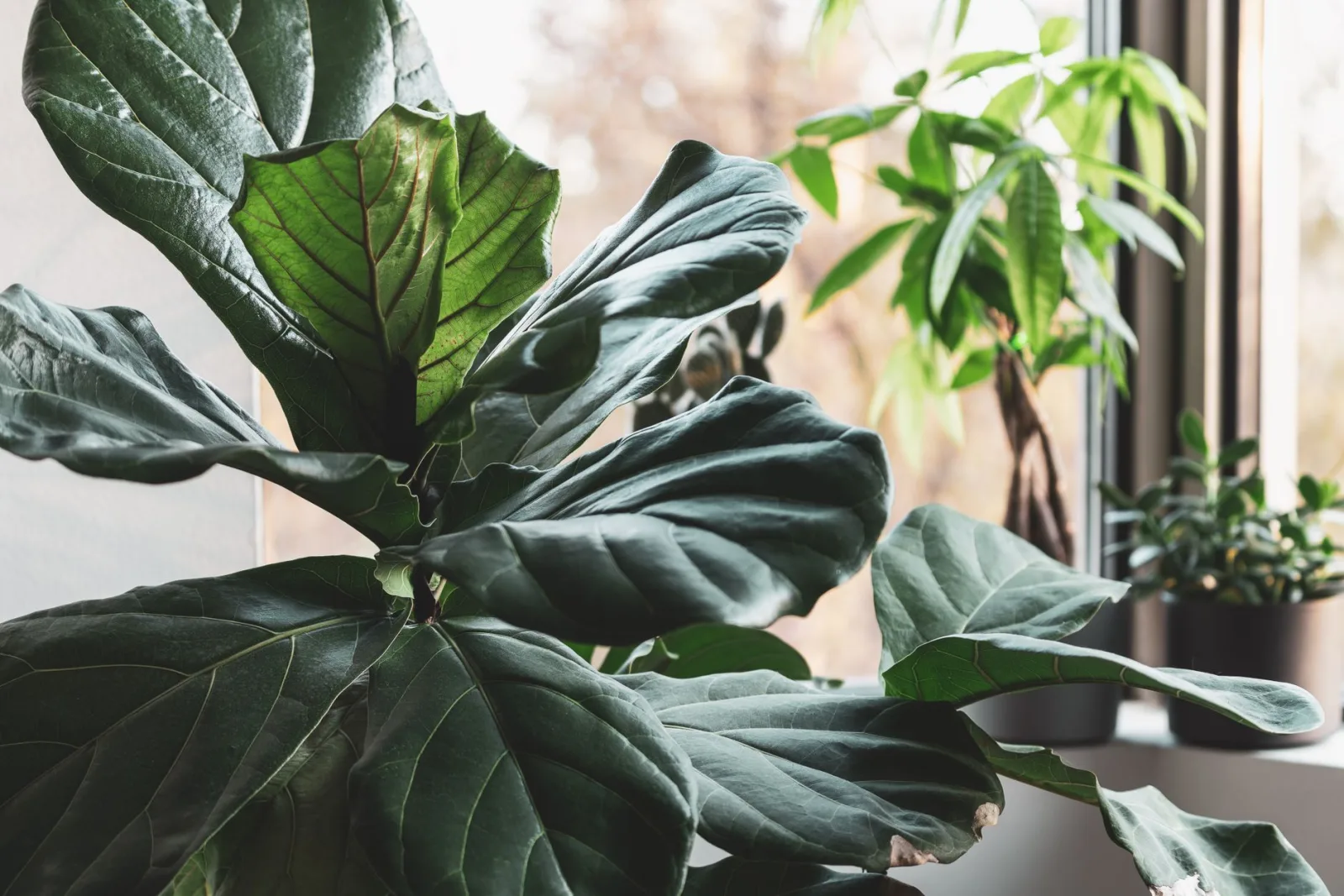
Healthy stem sections removed during pruning can provide useful propagation material when they contain suitable nodes. You can propagate by seed, leaf-bud, or semi-hardwood cuttings.
Propagation by stem cuttings
Place your stem cutting about a third of the way deep into fresh peat-based soil. Cover the top with a plastic bag and mist it daily to keep humidity high, but don’t let the soil get too wet because the cutting rots easily. Keep it in bright, indirect light.
Air layering
Air layering is another effective method:
- Choose a healthy section of stem below the part you want to keep
- Make a shallow wound in the stem close to a node
- Wrap the wounded area in damp sphagnum moss or another clean, moisture-holding material around the stem
- Cover the material so it stays in contact with the stem and retains moisture
- Check it occasionally and keep the rooting material moist
Common Problems and Solutions
Brown leaf edges: Brown edges (leaf margin burn) can result from dry air, direct sunlight, or inconsistent watering. Increase humidity, adjust the plant’s position to avoid direct sun, and establish a consistent watering routine.
Leaf drop: If your fiddle leaf fig is losing leaves, it’s likely a sign of too little moisture at the roots, low humidity, cold or dry air, or temperature shock. Fiddle leaf figs can also drop leaves from watering problems—too much or too little. Watch for yellowing, browning, drooping leaves, slow growth, or wilting as clues to overwatering or underwatering.
Slow growth and weak appearance: Weak light can lead to slower growth, wider spacing between leaves, and greater leaf loss. Make sure your plant receives 6–8 hours of bright, indirect light daily.
Is Fiddle Leaf Fig Toxic to Pets?
Yes, fiddle leaf fig is mildly toxic to both cats and dogs. The plant contains insoluble calcium oxalates and the enzyme ficin, which cause immediate mouth pain and irritation when chewed.
With small ingestions, the most common signs are mild gastrointestinal irritation, vomiting, and diarrhea. Contact or ingestion can also cause oral irritation and burning sensation, excessive drooling, and difficulty swallowing. The sap can also cause skin irritation.
If you think your cat or dog ate any part of the fiddle leaf fig, act quickly and don’t wait for symptoms to appear. Watch for excessive drooling, pawing at the mouth, loss of appetite for 12+ hours, lethargy or unusual hiding, and diarrhea. Contact the ASPCA Animal Poison Control Center at (888) 426-4435 for professional guidance (available 24/7, $95 fee).
FAQ
How tall does a fiddle leaf fig grow indoors?
Indoor fiddle leaf figs typically grow 2 to 10 feet tall, depending on growing conditions and how long you’ve had the plant. Leaves can reach up to 18 inches long and 12 inches wide.
How often should I water a fiddle leaf fig?
Water every 7 to 10 days when the top inch of soil is dry. In winter, reduce watering to every 2 to 3 weeks.
Why are my fiddle leaf fig leaves turning brown?
Brown edges usually result from dry air, direct sunlight, or inconsistent watering. Increase humidity, adjust the plant’s position, and water on a consistent schedule. If direct sun is causing the browning, move the plant away from south or west-facing windows.
What is the best light for a fiddle leaf fig?
Fiddle leaf figs need 6–8 hours of bright, indirect light daily and can tolerate some direct sun, especially from east-facing windows. Avoid intense afternoon sun from south or west-facing windows, which can scorch the leaves.
Is fiddle leaf fig hard to care for?
Yes, fiddle leaf figs are considered an advanced houseplant due to their finicky nature. They’re very sensitive to light, temperature, and moisture, and if any element of their environment is off, they will not be happy. But with attention to these core needs, they can thrive indoors.
More about Fiddle Leaf Fig
Sources
- 11 Ways for Fiddle Leaf Fig Caring and Useful Guide
- Fiddle-Leaf Fig: Growing and Caring for this Stylish Houseplant
- How to Care for Ficus Lyrata (Fiddle Leaf Fig) — Flora Grubb Gardens Plant Nursery
Photo: Olga Lioncat / Pexels, Pexels