Hoya Carnosa Hoya carnosa
Hoya Carnosa Care: The Complete Guide
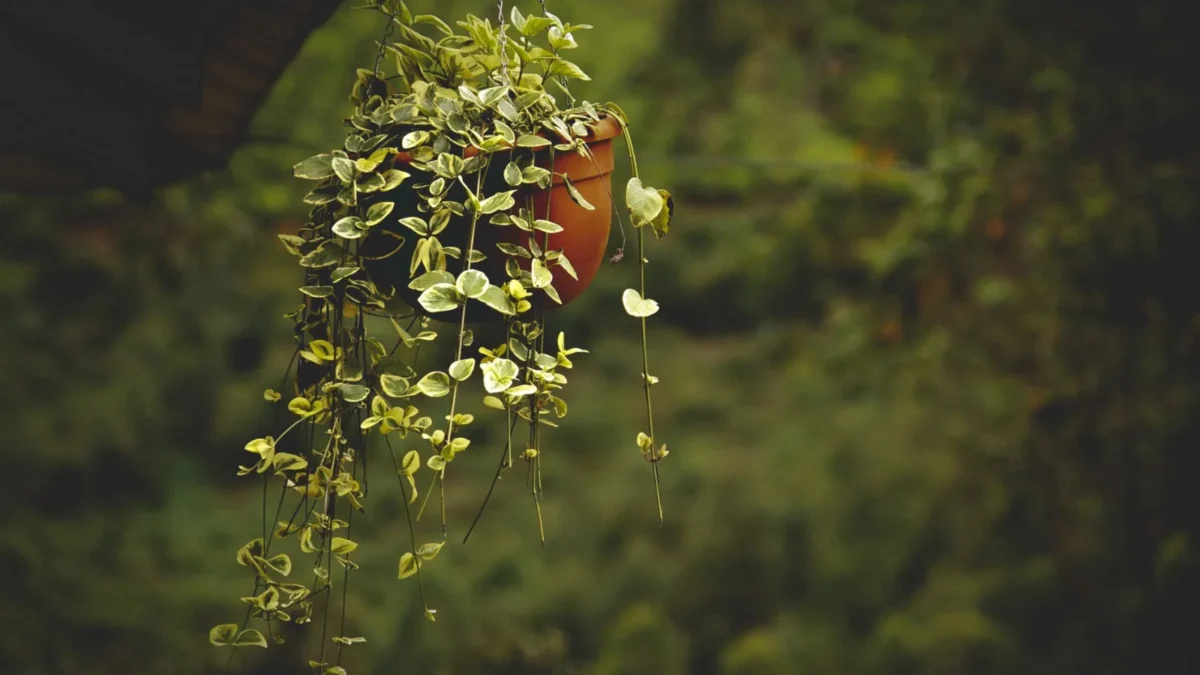
Hoya carnosa care is straightforward because this tropical houseplant thrives with consistent but moderate attention to its core needs. Understanding the essentials—bright light, proper watering, humidity, and the right soil—will help you grow a healthy, vigorous plant that rewards you with sweetly-scented star-shaped flowers.
| Botanical name | Hoya carnosa |
|---|---|
| Light | Bright light with at least 1/2 day direct sun; tolerates curtain-filtered sun and bright indirect light |
| Watering | Allow top 1 inch of soil to dry out before watering; every 7-10 days spring/summer, every 2-3 weeks winter |
| Humidity | Medium to high humidity, around 50-70% |
| Temperature | 60-85°F (15-29°C); avoid prolonged exposure below 50°F (10°C) |
| Soil | Standard, loamy, well-drained potting mix; light, airy mix preferred |
| Feeding | Balanced, water-soluble fertilizer diluted to half strength every 2-4 weeks during growing season; reduce/stop in winter |
| Size | 2-4 feet tall, 1-2 feet spread as a vine |
| Difficulty | easy |
Key points
- Bright light with at least half a day of direct sun is essential for blooming; the plant tolerates curtain-filtered sun and bright indirect light
- Water when the top 1 inch of soil dries out: every 7–10 days in spring and summer, every 2–3 weeks in winter
- Medium to high humidity (50–70%) and temperatures of 60–85°F (15–29°C) are ideal; avoid prolonged cold below 50°F (10°C)
- Use well-draining, loamy potting mix; repot only every 2–3 years to keep the plant slightly root-bound, which encourages flowering
- Feed with balanced, half-strength fertilizer every 2–4 weeks during the growing season; skip feeding in winter
- Non-toxic to cats and dogs, making it safe for pet households
Light Requirements for Hoya Carnosa
Your hoya carnosa must receive bright light with at least half a day of direct sun to thrive and flower reliably. The plant is tolerant of curtain-filtered sun and bright indirect light, but good light is necessary for flower production.
While a hoya carnosa can survive in medium light lying dormant on a shelf, it will not bloom without significant energy. Position your plant on a bright windowsill or in a spot where it receives direct morning or afternoon sun. A south-facing window works well in most homes, though an east or west-facing location also works provided light levels are bright.
If your plant isn’t flowering despite otherwise good care, insufficient light is often the culprit. Watch for leaves turning yellow only on the side facing away from the light source as a sign you need to move it closer to a brighter spot.
Watering Your Hoya Carnosa
Hoya carnosa is a semi-succulent plant, so it retains water in its leaves and doesn’t need to be watered as often—in fact, overwatering is the quickest path to problems.
Allow the top 1 inch of soil to dry out before watering again. During the growing season (spring and summer), this typically translates to watering every 7–10 days. In summer, you may water once a week, while in winter, extend the interval to every 2–3 weeks.
Don’t follow a rigid schedule. A hoya growing in a warm, sunny room might need water every 7–10 days, while the same plant sitting in a cooler room during winter may only need water every 2–3 weeks. Let the plant tell you when it’s thirsty by checking the soil with your finger.
If you overwater and the soil stays wet, allow the potting mix to dry down significantly—roughly 75 percent of the way down through the pot—before watering again. Underwatering produces wrinkled leaves or droopiness, signaling genuine thirst. Overwatering and poor drainage are responsible for approximately 68% of yellowing cases, as the roots begin losing oxygen when damp too long.
Humidity and Temperature
Hoya carnosa prefers medium to high humidity around 50–70%. In dry indoor air, mist the plant regularly or place the pot on a pebble tray with water, allowing the pot to sit above—not touching—the water. Grouping plants together also raises local humidity naturally.
The ideal temperature range is 60–85°F (15–29°C); avoid prolonged exposure below 50°F (10°C). Tropical houseplants like hoya carnosa do not enjoy cold drafts or sudden temperature drops, which may cause yellowing leaves. Keep the plant away from heating vents, air conditioners, and cold windows in winter.
Soil and Repotting
Hoya carnosa is best grown in a standard, loamy, well-drained potting mix. Hoyas prefer light, airy soil; regular potting mix tends to be too heavy and retains moisture longer than these plants like. If your mix seems dense, amend it with extra perlite or coco husk to improve drainage.
Hoya carnosa is not a plant that demands frequent repotting; repot every 2–3 years, or when roots are clearly circling the pot. The key is to keep the plant slightly root-bound, as it flowers more reliably when roots are restricted, and an oversized pot holds excess moisture that increases root rot risk. Choose a pot just slightly larger than the current one, move up by one pot size at a time, and refresh the soil with a light, well-draining mix.
Feeding Your Hoya Carnosa
Hoya carnosa benefits from regular fertilization during its active growing season, typically spring through early fall, using a balanced, water-soluble fertilizer (such as 10-10-10 or 20-20-20 formula) diluted to half the recommended strength and applied every 2–4 weeks.
Reduce or stop fertilization entirely during winter months when growth slows. A fertilizer with slightly higher phosphorus content can encourage blooming, which is useful if you want to maximize flowers rather than just general growth.
Pruning and Training
Pruning is mostly about keeping your hoya neat and encouraging fuller growth. Trim back overly long or bare vines to encourage branching, and remove dead or damaged leaves as needed.
Do not remove the short, knobby flower spurs (peduncles), as they rebloom from the same spots year after year. The plant may be trained to a small trellis or framework if you prefer a shaped form.
Propagating Hoya Carnosa
The reliable, beginner-friendly way to propagate hoya carnosa is via nodal stem cuttings in water or soil. Stem cuttings with at least 2 nodes root in water or sphagnum in 4–6 weeks.
Best time to propagate
Propagate hoya carnosa in spring and summer; these main growing seasons offer the highest chance of success, fastest root development, and quickest recovery of the mother plant.
Stem cutting method
Take a healthy stem that is not woody and cut 4–6 inches long with two nodes. Make a clean cut using sterilized scissors or a blade (disinfect with rubbing alcohol or hold under a flame). Let the cutting callous over for 40 minutes or longer if the stem is thick; once no more sap emerges from the wound, you can proceed.
Stand the cutting in a glass of room-temperature water with the node(s) covered, or push it into moist potting mix. Place in bright indirect light and change the water every 4–5 days if water-rooting. Roots appear in 2–4 weeks; pot up at 4–6 weeks. Transfer cuttings to soil once roots are about 2 inches long.
When the cutting is newly potted, keep the soil moist; after about a week, back off watering slightly. Once you can tug the cutting and feel resistance, scale way back to normal hoya watering levels—letting the soil dry out before watering again.
Soil propagation alternative
You can propagate hoya cuttings directly in soil if you prefer to skip water-rooting. The downside is that you can’t monitor root development, but since these plants are easy to propagate, this isn’t a major concern. Keep the soil damp, maintain high humidity, place the cutting in bright indirect light, and give it a couple of weeks before checking for root development.
Leaf cuttings
Leaf-cutting propagation is also viable; take a healthy leaf from your hoya carnosa, let it callus for a few days, and then place it in moist soil or water.
Common Problems and Solutions
Yellow leaves — Overwatering and poor drainage are responsible for approximately 68% of yellowing cases. The most common cause is too much moisture around the roots; hoya carnosa is much more comfortable in an airy potting mix that dries a little between waterings than in soil that stays wet for days. Yellow leaves can also signal a lack of nutrients, particularly iron or magnesium. Insufficient light accounts for approximately 18% of yellowing cases; bright, indirect light for at least 6 hours daily is required. Cold drafts and sudden temperature drops may also cause yellowing. Older lower leaves turning pale yellow and dropping naturally after 18–36 months is normal physiology, not a problem.
Root rot — Overwatering may cause root rot. If roots remain damp too long, they lose oxygen, and the plant can no longer support its leaves properly. Allow the top 1 inch of soil to dry out between waterings, and ensure your potting mix is well-draining with added perlite or coco husk if needed.
Pests — Watch for mealybugs and scale. Inspect the stems and leaf undersides regularly. If detected early, spray affected areas with neem oil or insecticidal soap, and isolate the plant from others until the infestation clears.
Few or no flowers — Insufficient light is the most common culprit. Good light is necessary for flower production. Additionally, do not rotate or move the plant to another location after flower buds appear, as this interrupts bloom development. To maximize blooming, let the plant become slightly root-bound, keep your watering schedule consistent without swinging between soaked and bone-dry, and avoid moving the plant around once buds form.
FAQ
Is Hoya carnosa toxic to pets?
No. Per the ASPCA, hoya carnosa is non-toxic to both cats and dogs. A curious nibble will not poison anyone, making it a sensible choice for pet households.
What if my cat or dog eats hoya leaves?
Hoya carnosa itself is not poisonous, but a cat that eats a significant amount of hoya leaves may still get a stomach upset because cats are obligate carnivores with digestive systems not designed to process plant matter. Similarly, a large quantity of any foliage can cause mild, short-lived stomach upset or vomiting simply through fiber and volume. Persistent vomiting, diarrhea, or lethargy after eating any plant warrants a call to your vet.
Is hoya sap toxic?
No. The milky latex sap that hoyas produce when cut or damaged is not toxic. While it can be slightly irritating to the mouth in large quantities, leading to drooling, it does not contain harmful compounds found in other sap-producing plants.
How often should I water hoya carnosa?
Water when the top 1 inch of soil dries out. During spring and summer, this typically means every 7–10 days. In winter, extend watering to every 2–3 weeks as growth slows. Schedules vary based on temperature, light, and pot size, so always check the soil first.
Why isn’t my hoya carnosa flowering?
Flower production requires bright light with at least half a day of direct sun. If light is adequate, avoid moving or rotating the plant once buds appear, as this disrupts bloom development. Keeping the plant slightly root-bound also encourages flowering better than repotting into oversized pots.
How big does hoya carnosa get?
Hoya carnosa as a vine typically reaches 2 to 4 feet in height with a spread of 1 to 2 feet. You can prune it to maintain a smaller, bushier shape, or train it to a trellis for vertical growth.
More about Hoya Carnosa
Sources
- Hoya carnosa (Wax Plant): All You Need To Know
- Hoya carnosa – Plant Finder
- Is Hoya Toxic to Cats & Dogs? No — ASPCA Non-Toxic
Photo: Anugrah Lohiya / Pexels, Pexels