Hoya Carnosa Hoya carnosa
Why Are My Hoya Carnosa Leaves Turning Yellow
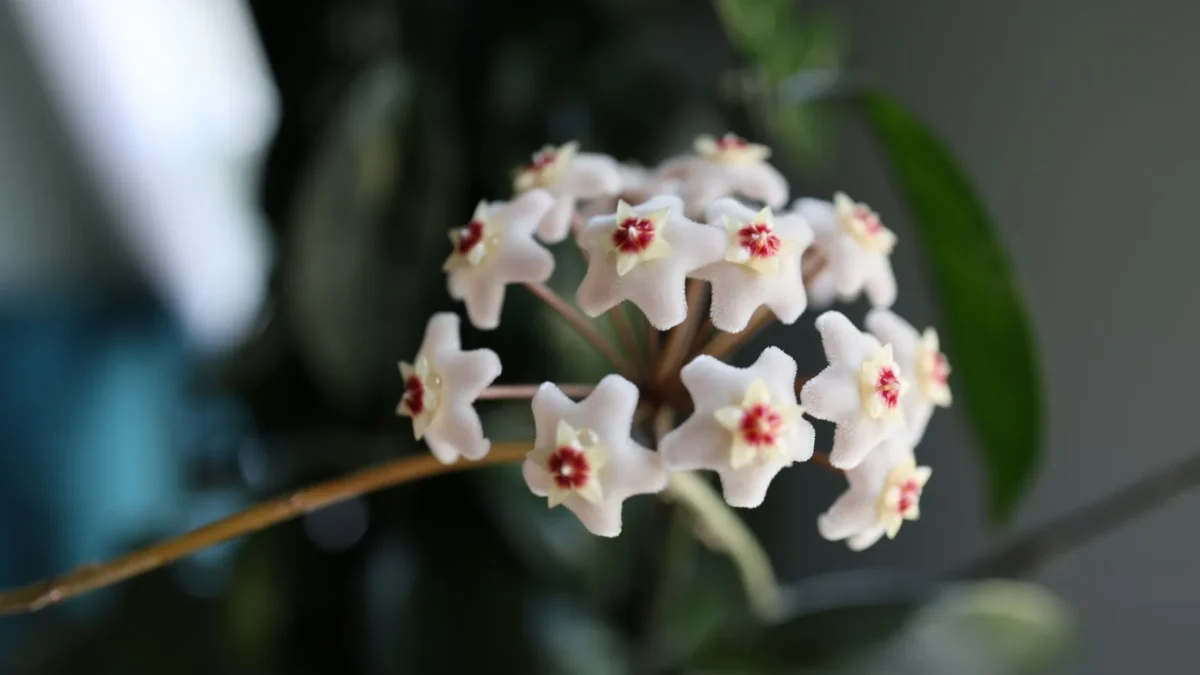
Quick answer: Hoya carnosa leaves turn yellow most often due to overwatering and poor drainage, but also from low light, nutrient deficiencies, cold temperatures, or natural aging. Check your plant’s soil moisture, light, and recent conditions to identify the cause.
| Botanical name | Hoya carnosa |
|---|---|
| Light | Bright light with at least 1/2 day direct sun; tolerates curtain-filtered sun and bright indirect light |
| Watering | Allow top 1 inch of soil to dry out before watering; every 7-10 days spring/summer, every 2-3 weeks winter |
| Humidity | Medium to high humidity, around 50-70% |
| Temperature | 60-85°F (15-29°C); avoid prolonged exposure below 50°F (10°C) |
| Soil | Standard, loamy, well-drained potting mix; light, airy mix preferred |
| Feeding | Balanced, water-soluble fertilizer diluted to half strength every 2-4 weeks during growing season; reduce/stop in winter |
| Size | 2-4 feet tall, 1-2 feet spread as a vine |
| Difficulty | easy |
Common causes of yellowing Hoya carnosa leaves
| What you see | Likely cause | What to do |
|---|---|---|
| Soil stays wet for days, mushy stems | Overwatering or poor drainage | Let soil dry out significantly (75% down), repot with better-draining mix, water less often |
| Yellow mainly on leaves facing away from light | Insufficient light | Move closer to bright light with ½ day direct sun |
| Yellowing leaves combined with wrinkled texture and drooping | Underwatering | Water when top 1 inch of soil is dry; ensure you’re not skipping waterings |
| Yellow leaves spreading across plant, slow growth | Nutrient deficiency | Feed with balanced fertilizer diluted to half strength every 2–4 weeks during spring and summer |
| Sudden yellowing after cold exposure | Temperature stress | Keep plant at 60–85°F; avoid prolonged temperatures below 50°F |
| Lower leaves pale yellow and dropping after 18–36 months | Natural aging | Normal—no action needed if upper leaves stay green |
Overwatering and poor drainage account for roughly 68% of yellowing cases. Hoya carnosa is a semi-succulent that stores water in its leaves, so it needs far less water than typical houseplants. The roots begin losing oxygen when soil stays wet too long, and once that happens, leaves often yellow because the plant cannot support them.
Insufficient light causes about 18% of yellowing cases. Your Hoya needs bright, indirect light for at least 6 hours daily; without it, the plant cannot make enough chlorophyll, the green pigment in leaves. You can tell when poor light is the culprit: yellowing appears mainly on the side facing away from the window, not evenly across the plant.
Nutrient deficiencies—particularly iron or magnesium—cause a yellowing or chlorotic look. Cold drafts and sudden temperature drops also trigger yellow leaves.
Natural aging is not a problem: older lower leaves turning pale yellow and dropping after 18–36 months is normal physiology. The real concern begins when several leaves yellow together, the yellowing keeps repeating, or the plant weakens despite moist soil.
How to fix yellow Hoya carnosa leaves
If soil is wet: Allow the potting mix to dry down about 75% through the pot before watering again. For ongoing care, allow the top 1 inch of soil to dry out before watering. During spring and summer, this typically means watering every 7–10 days; in winter, extend that to every 2–3 weeks. Repot into a light, well-draining mix—regular potting soil tends to be too heavy for Hoyas.
If light is low: Move your plant to bright light with at least ½ day of direct sun. Curtain-filtered sun works too.
If growth is slow and leaves are pale: Fertilize with a balanced, water-soluble fertilizer diluted to half strength every 2–4 weeks during spring through early fall. Stop feeding in winter.
If the plant is cold: Keep it at 60–85°F and avoid prolonged exposure below 50°F.
Preventing yellow leaves on Hoya carnosa
Let the plant tell you when it is thirsty; a Hoya in a warm, sunny room may need water every 7–10 days, while the same plant in a cool room during winter may only need it every 2–3 weeks. Check the soil with your finger. Use well-draining potting mix, maintain medium to high humidity around 50–70%, and keep your plant in bright light. Fertilize regularly during the growing season but stop in winter. Avoid moving the plant frequently once it starts setting flower buds.
Read the full guide: Hoya Carnosa Care: The Complete Guide
More about Hoya Carnosa
The same problem in other plants
- Why Are My Money Tree Leaves Turning Yellow?
- Why Are My Dracaena Marginata Leaves Turning Yellow?
- Why Are My Peperomia Leaves Turning Yellow?
- Why Are My Moth Orchid Leaves Turning Yellow?
Sources
- Hoya carnosa (Wax Plant): All You Need To Know
- Hoya Carnosa Leaves Turning Yellow: Causes & Fixes
- Hoya Carnosa Care: The Complete Guide to Growing a Healthy Wax Plant – HoyaPlantCare
Photo: Gene&Mandee Maroulitsas / Pexels, Pexels