Maidenhair Fern Adiantum raddianum
Maidenhair Fern Care: The Complete Guide
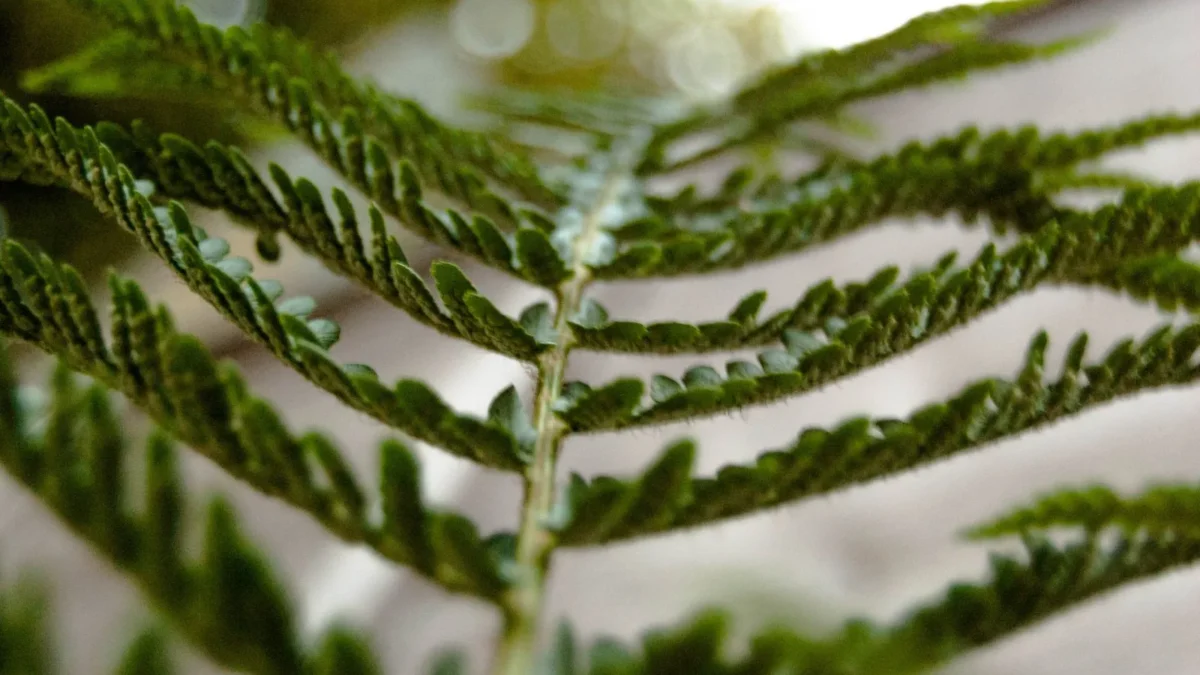
Maidenhair fern care demands attention to a few specific conditions, but once you understand what this plant needs, you can grow lush, delicate fronds indoors. The biggest challenge is maintaining humidity—a single dry spell can damage the entire plant, which is why these ferns earn their reputation as demanding houseplants. This guide covers everything from light and watering to troubleshooting the problems you’re most likely to encounter.
| Botanical name | Adiantum raddianum |
|---|---|
| Light | Bright indirect light; no direct sun |
| Watering | Water when top 1-2 inches of soil feel dry; water sparingly in winter |
| Humidity | 60-80% preferred; 50% minimum; mist regularly |
| Temperature | 65-75°F (18-24°C); avoid below 12°C |
| Soil | Peat-free houseplant compost or half potting mix with half peat moss |
| Feeding | Half-strength general liquid feed monthly mid-spring to late summer; diluted fertilizer April-September |
| Size | 30-45 cm tall and wide at maturity |
| Difficulty | demanding |
Key points
– Keep humidity between 60–80%; anything below 50% risks leaf drop and crispy fronds
– Water when the top 1–2 inches of soil feel dry; never let the plant dry out completely
– Position in bright, indirect light with good ventilation—no direct sun
– Maidenhair ferns are non-toxic to cats and dogs, making them safe for pet homes
– The plant grows to 30–45 cm tall and wide at maturity
– Feed monthly with diluted liquid fertilizer from April to September only
Light Requirements for Maidenhair Ferns
Position your maidenhair fern in bright, indirect light with good ventilation. The ideal light level is approximately 10,000–20,000 lux—roughly what you’d find near an east or north-facing window. Direct sun will damage the delicate fronds, so keep the plant away from south or west-facing windows where sunlight is intense.
Light stress is a common cause of yellowing leaves. If your fern isn’t receiving enough light, move it closer to a bright window. If it’s in too much light, shift it back slightly or filter the light with a sheer curtain. A position with consistent, moderate brightness throughout the day is ideal.
Watering Your Maidenhair Fern
Water when the top 1–2 inches of soil feel dry to the touch. This usually means watering every few days during the growing season, though frequency depends on your home’s temperature, humidity, and pot size. The soil should be consistently moist but never waterlogged—this is the critical balance for maidenhair ferns.
In winter, water sparingly. The plant’s growth slows, so it needs less water. Check the soil more carefully and extend the interval between waterings.
Use tepid water, and if you live in a hard-water area, rainwater or filtered water is ideal. Chlorine and minerals in tap water can stress the delicate foliage. Overwatering is the most common mistake, leading to yellowing and browning fronds. Conversely, letting the plant dry out repeatedly before soaking it heavily also causes yellowing. Strike a balance—keep the soil hydrated without oversaturating it.
Humidity and Temperature
Maidenhair ferns are humidity obsessives. Humidity of 60–80% is preferred; 50% is the practical minimum. Anything less triggers discoloration and drying of the foliage. This is the plant’s defining requirement and the reason it’s considered demanding for indoor growing.
Raise humidity by placing the container on a tray of moist gravel or pebbles. Mist the leaves daily, especially in dry indoor environments. If you have a bathroom, positioning your fern there provides extra humidity from shower steam, which helps prevent leaf drop.
Maintain a temperature of 65–75°F (18–24°C). Temperatures below 12°C cause damage. Avoid placing your fern near drafts, radiators, or heat vents, which dry the air and stress the plant.
Soil and Repotting
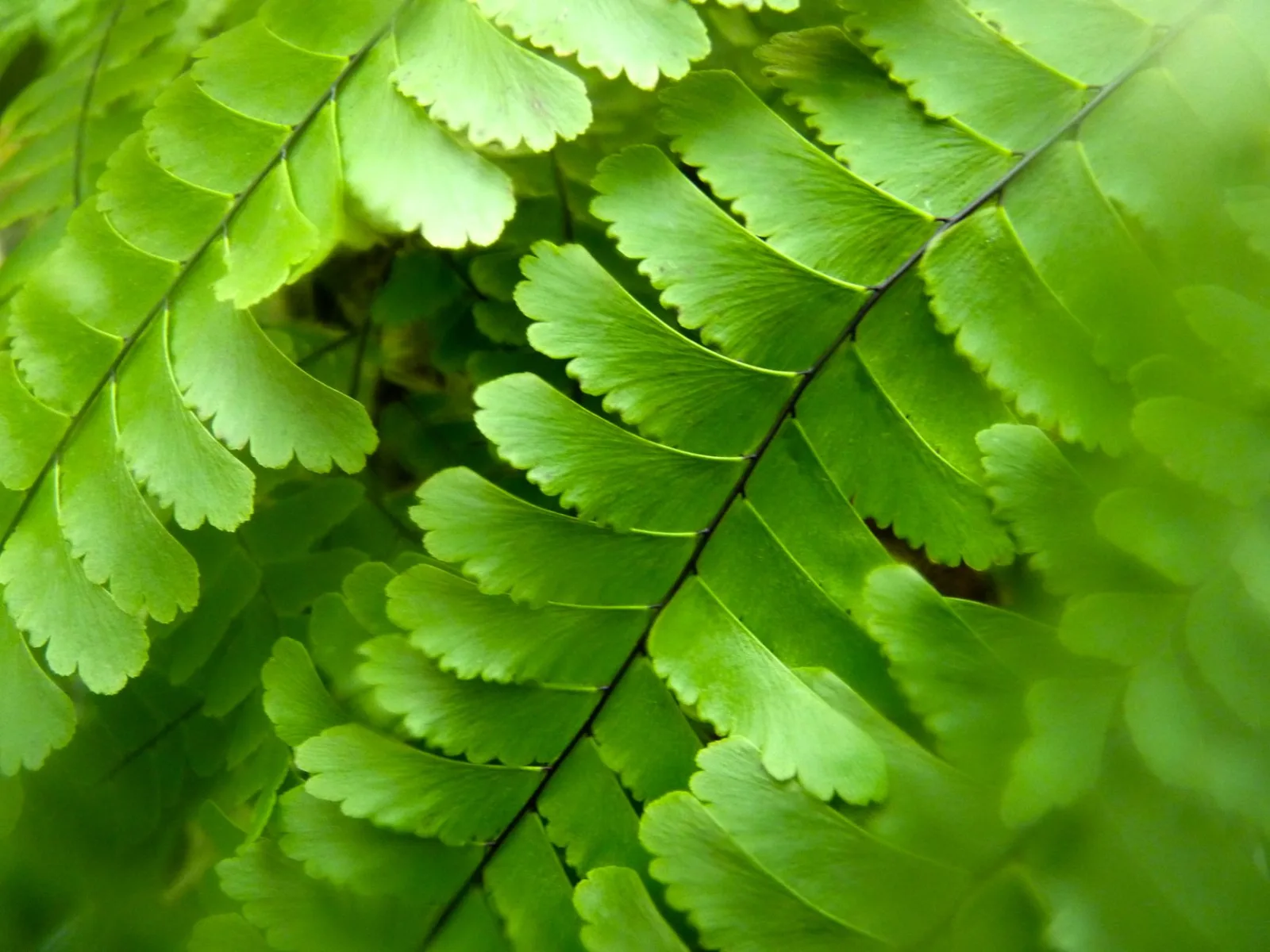
Maidenhair ferns need a peat-based potting mix that includes organic matter. You can use peat-free houseplant compost, or combine half potting mix with half peat moss. Whatever mix you choose, avoid formulas that contain fertilizer—fertilizer salts dissolve too quickly and can burn the delicate fern roots.
Repot every one or two years in spring, whenever the roots have filled the pot. Move into a pot only slightly larger than the rootball to avoid excess soil that can retain too much moisture. Disturb the roots minimally during repotting, as maidenhair ferns are extremely sensitive to root disturbance.
Feeding and Fertilizer
Maidenhair ferns are not heavy feeders, so avoid overfeeding. From mid-spring to late summer, apply a half-strength, general liquid feed monthly. You can also feed from April to September with a diluted fertilizer once a month. A lack of nitrogen causes older leaves to yellow. Use a balanced, water-soluble fertilizer during the growing season.
Stop feeding in autumn and winter when the plant’s growth naturally slows. Diluting the fertilizer to half strength is crucial—the plant’s delicate roots cannot tolerate a strong concentration.
Pruning and Maintenance
Maidenhair ferns require little pruning other than the removal of dead leaves. In spring, remove old damaged fronds to encourage new growth. If individual fronds turn yellow, simply remove them to allow new growth to flourish. Sometimes yellowing of older leaves is a natural process, especially as the plant matures.
Regularly check the undersides of fronds for signs of pests and remove any dead material that falls into the soil to prevent rot.
Propagation Methods
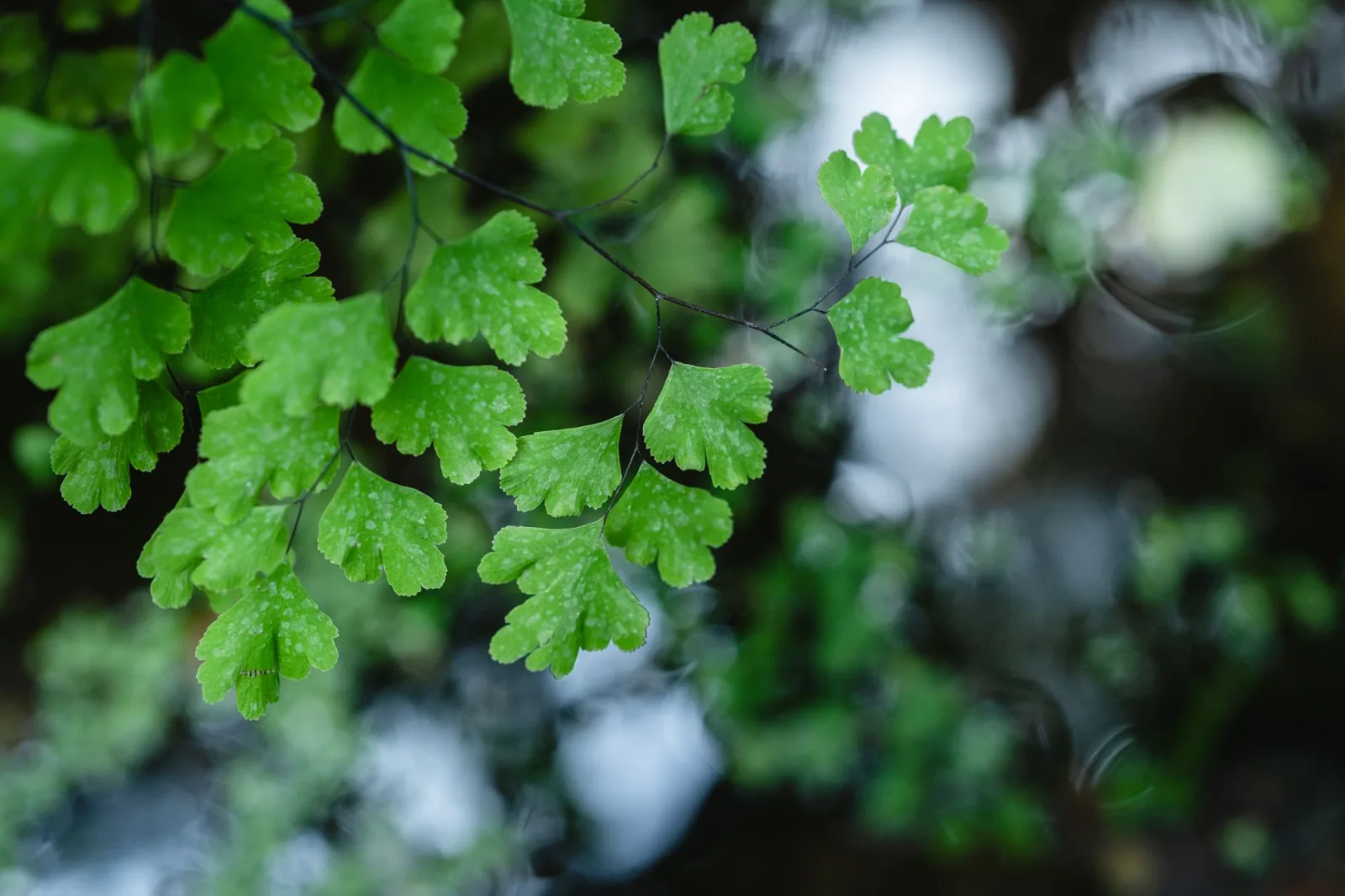
The easiest and most reliable way to propagate maidenhair fern is by rhizome division, ideally in early spring every three to five years. Division has success rates between 85–98% under appropriate conditions, compared to just 15–40% for spore propagation in non-lab settings.
Division
To divide your fern:
- Remove the plant from its pot.
- Using a clean, sharp knife, divide the fern (soil and all) into sections, depending on the size of your plant and how many new plants you want.
- Ensure each section has at least a few fronds.
- Pot each division into fresh fern mix and maintain high humidity (60–70%).
- Divisions establish in 4–8 weeks.
Spore Propagation
Spore propagation is slower and more advanced but possible:
- Locate the spore-bearing structures (called sori) on the underside of mature fronds—they look like tiny brown dots.
- Gently scrape the spores onto a piece of paper or clean surface.
- Distribute the spores evenly across a moist seed-raising mix using a fine sieve, placing them on the surface without burying them (they need light to germinate).
- Keep the medium consistently moist and warm.
- Spores germinate within 6 weeks, but the actual fern can take a year or longer to develop.
Division is the reliable method; spores are the advanced one.
Common Problems and Solutions
Yellow or Yellowing Leaves
Yellowing has multiple causes: overwatering leading to waterlogged soil, underwatering with repeated drying cycles, a lack of nitrogen, or incorrect light levels. Check your watering habits first—the soil should be moist but not soggy. Increase watering frequency and mist daily if humidity is low. If older leaves are yellowing naturally, remove them to encourage new growth. Ensure the plant receives bright, indirect light. Feed with a balanced, water-soluble fertilizer during the growing season.
Brown, Crispy Fronds
Brown, crispy fronds are most commonly caused by low humidity, but drafts, nearby radiators, or compost that is too dry also trigger this problem. Increase humidity by misting daily, placing the fern on a pebble tray with water, or moving it to a bathroom where shower steam provides moisture. Keep the soil consistently moist without waterlogging. Check for and move the plant away from heat sources and drafts.
Root Rot and Waterlogging
Waterlogging causes older fronds to yellow and collapse, the soil feels heavy, and the rhizome may smell sour. Unpot the plant, trim away any black, mushy rhizome sections with a clean knife, and repot into fresh fern mix with extra perlite added for improved drainage. Water more carefully going forward, checking that the top 1–2 inches of soil feel dry before watering again.
Scale Insects
Scale insects are noticeable as small brown shells on the fronds. Raised brown spots on the leaves could indicate scale insects. Spray the affected areas with an organic insecticide containing fatty acids or plant oils.
Mealybugs
Mealybugs appear as white, fluffy blobs on the undersides of leaves. Spray with an appropriate organic insecticide and repeat treatments every 7–10 days until the infestation clears.
Pet Safety
Maidenhair fern is non-toxic to both cats and dogs according to the ASPCA. It contains no known toxic compounds harmful to cats, making it completely safe to have around pets. A curious nibble will not poison a cat or dog, though the delicate fronds may suffer damage from chewing.
FAQ
Why are my maidenhair fern’s fronds drooping?
Drooping usually signals either low humidity, underwatering, or both. Increase humidity by misting daily and placing the pot on a pebble tray with water. Check that the top 1–2 inches of soil are moist, not dry.
Can maidenhair ferns tolerate low humidity?
No. Humidity of 50% is the practical minimum; the plant prefers 60–80%. Below 50%, fronds crisp and drop rapidly. If your home is naturally dry, use a humidifier, mist frequently, or place the fern in a bathroom.
How often should I repot my maidenhair fern?
Repot every one or two years in spring, whenever the roots have filled the pot. Use a container only slightly larger than the rootball to avoid excess moist soil.
Is maidenhair fern safe for cats and dogs?
Yes, maidenhair fern is non-toxic to both cats and dogs. A curious bite will not harm your pet, though the delicate fronds may be damaged.
What’s the best way to propagate maidenhair fern?
Rhizome division in early spring is the most reliable method, with success rates of 85–98%. Each division should have at least a few fronds and needs high humidity (60–70%) to establish in 4–8 weeks. Spore propagation is possible but slower and less reliable.
More about Maidenhair Fern
Sources
- Adiantum raddianum
- Maidenhair Fern Care: A Comprehensive Guide
- Maidenhair Fern (Adiantum raddianum): Care, Humidity & Pet-Safety Guide
Photo: Marius Savel / Pexels, Pexels