Maidenhair Fern Adiantum raddianum
Why Is My Maidenhair Fern Turning Yellow
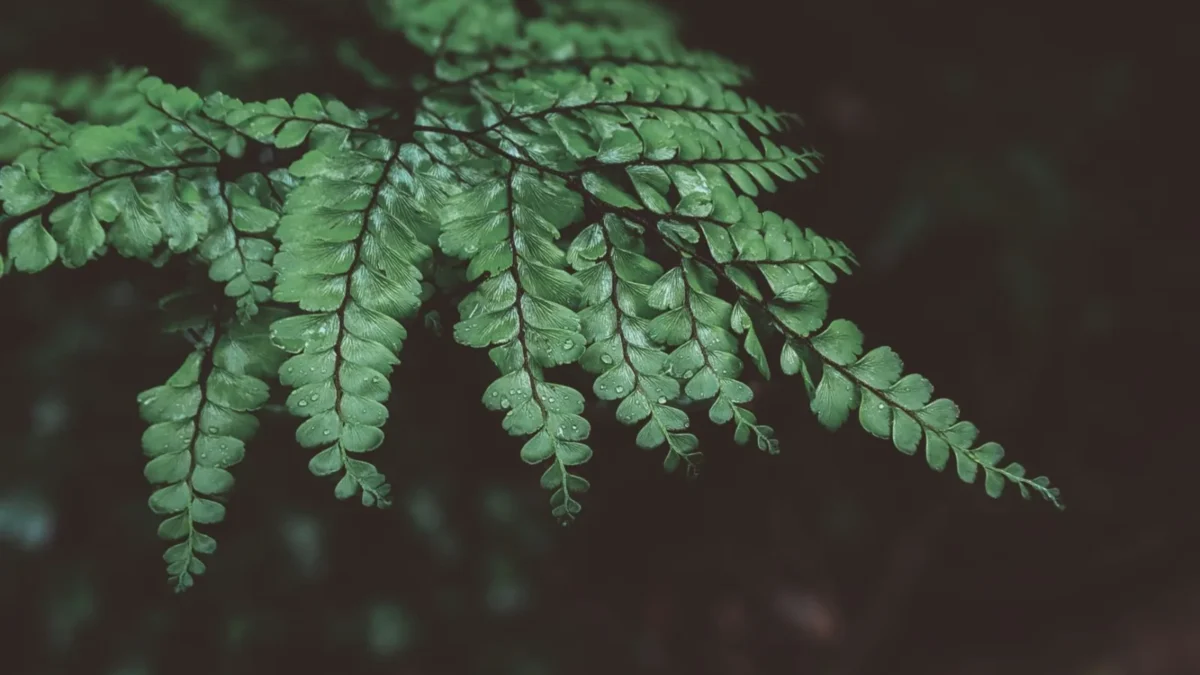
Quick answer: Maidenhair fern leaves turning yellow usually means overwatering, low humidity, or inconsistent moisture—this fern is famously demanding and requires steady conditions. Check your watering routine and humidity levels first, as these are the most common culprits.
| Botanical name | Adiantum raddianum |
|---|---|
| Light | Bright indirect light; no direct sun |
| Watering | Water when top 1-2 inches of soil feel dry; water sparingly in winter |
| Humidity | 60-80% preferred; 50% minimum; mist regularly |
| Temperature | 65-75°F (18-24°C); avoid below 12°C |
| Soil | Peat-free houseplant compost or half potting mix with half peat moss |
| Feeding | Half-strength general liquid feed monthly mid-spring to late summer; diluted fertilizer April-September |
| Size | 30-45 cm tall and wide at maturity |
| Difficulty | demanding |
| What you see | Likely cause | What to do |
|---|---|---|
| Yellow leaves throughout, soil wet and heavy | Overwatering or root rot | Reduce watering; water only when top 1–2 inches of soil feel dry; check drainage; repot into fresh mix if soil smells sour |
| Yellow and brown edges, leaf curl, brittle fronds | Low humidity or dry air | Increase misting daily; place pot on tray of moist gravel; aim for 60–80% humidity |
| Yellowing of older leaves only | Natural aging or nitrogen deficiency | Remove yellow leaves; feed with diluted fertilizer April–September |
| Yellow leaves, pale growth | Incorrect light | Move to bright indirect light, away from direct sun; avoid dark corners |
| Yellow fronds, undersides show brown shells | Scale insect infestation | Spray with organic insecticide containing fatty acids or plant oils |
How to fix maidenhair fern leaves turning yellow
Maidenhair ferns thrive on balance—too much water and the roots suffocate; too little and the plant dries out. The key is watering when the top 1–2 inches of soil feel dry to the touch. In winter, water sparingly. This prevents the waterlogged conditions that lead to yellowing and browning of delicate fronds.
Humidity is equally critical. These ferns obsess over humid conditions, and anything less triggers discoloration. Humidity below 50% is the practical floor; aim for 60–80% preferred. Mist the leaves regularly, especially in dry indoor environments. Placing your fern in a bathroom provides extra humidity from shower steam, which helps prevent yellowing and leaf drop. A tray of moist gravel beneath the pot also raises humidity around the plant.
Light matters too. Stress from too much or too little light manifests as yellow leaves. Position the container in bright, indirect light with good ventilation, away from direct sun.
If older leaves are yellowing naturally, simply remove them to allow new growth to flourish. If yellowing spreads to younger growth, check your feeding. A lack of nitrogen causes older leaves to yellow; feed with a balanced, water-soluble fertilizer during the growing season. From April to September, apply diluted fertilizer monthly to encourage healthy growth, but avoid overfeeding—this fern is not a heavy feeder.
How to prevent maidenhair fern leaves from turning yellow
The best prevention is consistency. Keep soil moist but never waterlogged by checking soil moisture before watering. Maintain steady humidity year-round with regular misting, pebble trays, or a humid room location. Provide bright indirect light away from direct sun, and maintain warmth between 65–75°F (18–24°C). Never expose the fern to temperatures below 12°C, as this causes damage. Use peat-free houseplant compost or a mix of half potting soil and half peat moss, and avoid fertiliser-enriched mixes that can burn delicate roots.
FAQ
Can natural leaf yellowing happen on maidenhair ferns?
Yes, older leaves naturally yellow and collapse over time. Simply remove them, and new growth will take their place.
Is yellow maidenhair fern toxic to my cat or dog?
No. Maidenhair fern is non-toxic to both cats and dogs, so a nibble won’t cause harm.
Read the full guide: Maidenhair Fern Care: The Complete Guide
More about Maidenhair Fern
The same problem in other plants
- Why Are My Fishbone Cactus Leaves Turning Yellow?
- Why Is My String of Turtles Turning Yellow?
- Why Is My Bamboo Palm Turning Yellow?
- Why Are My Alocasia Frydek Leaves Turning Yellow?
Sources
- Maidenhair Fern Care: A Comprehensive Guide
- Adiantum raddianum
- Common Diseases of Maidenhair Fern: A Comprehensive Guide
Photo: Valeriia Miller / Pexels, Pexels