Pencil Cactus Euphorbia tirucalli
Pencil Cactus Care: The Complete Guide
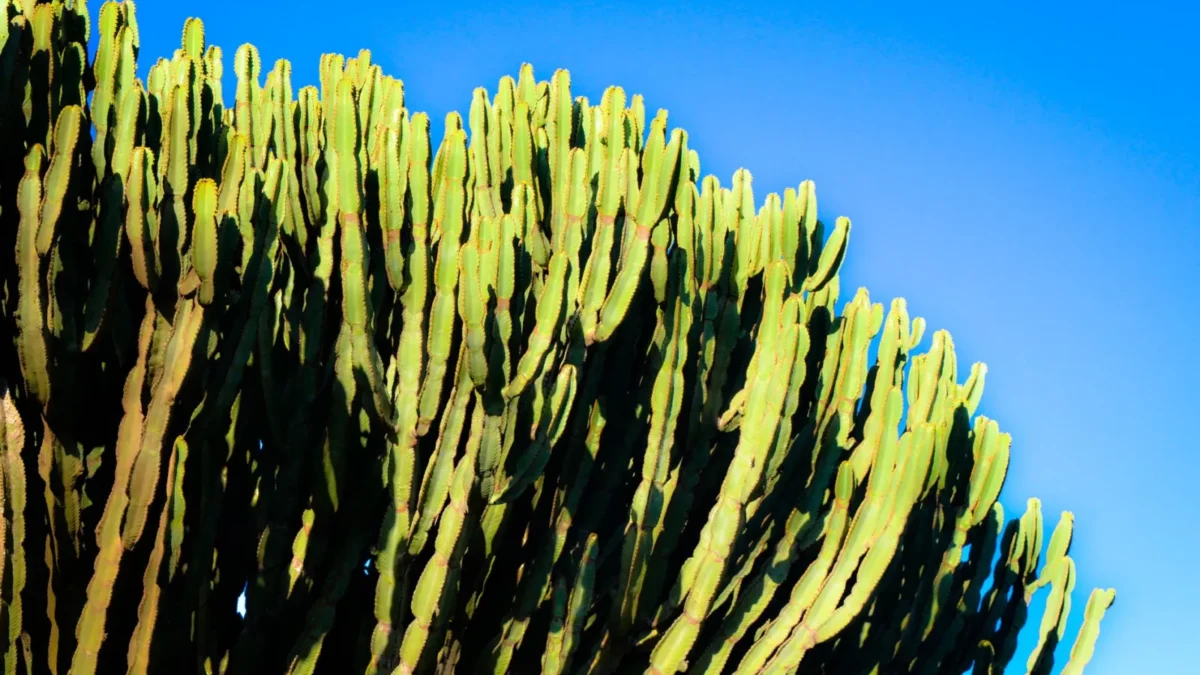
This guide covers everything you need to know about pencil cactus care, from creating the right growing conditions to troubleshooting common problems. The pencil cactus is a relatively easy plant to grow, and often prospers with neglect, making it an excellent choice for busy plant parents or beginners. Despite its common name, it is not a cactus but actually belongs to the Euphorbia family, the same group that includes the poinsettia.
| Botanical name | Euphorbia tirucalli |
|---|---|
| Light | Bright direct light; south or west-facing window ideal; tolerates bright indirect light |
| Watering | Water when top inch of soil is dry; every 2-3 weeks spring/summer; monthly or less in winter |
| Humidity | Dry to neutral environment; below 50% humidity; misting not advised |
| Temperature | 65-80°F ideal; never below 50°F; benefits from slight day-to-night temperature dip |
| Soil | Sandy, well-draining cactus or succulent soil; excellent drainage essential |
| Feeding | Balanced fertilizer at half strength monthly during growing season; or once yearly in spring |
| Size | 6-8 feet tall as houseplant; 20-30 feet outdoors |
| Difficulty | easy |
| Cats | ⚠️ toxic — Irritant latex sap causes oral irritation, vomiting, diarrhea |
| Dogs | ⚠️ toxic — Irritant latex sap causes oral irritation, vomiting, diarrhea |
Key points
– Provide bright direct light from a south or west-facing window for best growth
– Water every 2–3 weeks in spring and summer, much less in winter; let soil dry completely between waterings
– Use sandy, well-draining cactus soil with excellent drainage to prevent root rot
– Feed with balanced fertilizer at half strength once monthly during growing season, or once yearly in spring
– Keep away from pets and children—the sap is toxic and causes irritation to skin, eyes, and digestive systems
– Maintain temperatures between 65–80°F and never expose to cold below 50°F
Light Requirements and Placement
The pencil cactus grows best in a space with bright direct light where sunlight streams directly inside, and can also adapt to spaces with bright indirect light. A sunny south-facing or west-facing window is ideal, as this provides the consistent, intense light the plant craves.
Turn your plant weekly so all sides receive equal light exposure. Pale, stretched, or floppy growth signals not enough light; move it to a brighter spot with several hours of sun. Sudden bleached patches or crisp tips usually mean it went from low light to intense sun too quickly—ease it into brighter exposure over a week.
Watering: Frequency and Amount
Water only when the top inch of soil is dry. Water every 2–3 weeks in spring and summer; roughly monthly or less in winter. Water thoroughly until liquid drains from the pot’s base, then allow the soil to dry out completely before watering again, typically every 2 to 3 weeks during the active growing season. Water roughly once a month or less during winter dormancy.
Because it stores water efficiently in its fleshy stems, it is highly drought tolerant and far more likely to suffer from overwatering than underwatering. When in doubt, underwater—overwatering and soggy roots are the most common way to kill this plant. Overwatering is the most common cause of problems; water only when the soil has dried out completely.
When you do water, do so generously; pour water slowly over the entire soil surface until it drains out of the bottom of the pot.
Humidity and Temperature
Pencil trees do not need humidity to prosper and misting is not advised; the plant is best suited to a dry to neutral environment with humidity below 50%. It adapts well to average household humidity and doesn’t need any extra moisture in the air.
The ideal indoor temperature range is 65–80°F, and it should never be exposed to temperatures below 50°F, as prolonged cold can damage the plant. Daytime temperatures of 65 to 75°F are ideal; the plant benefits from a slight temperature dip from day to night. Cold air coming in through air conditioning vents or drafty windows can shock your plant and result in leaf drop, so keep it away from these sources of temperature stress.
Soil and Repotting
The most important characteristic of the soil for Euphorbia tirucalli is excellent drainage. A recommended mix is 2 parts cactus soil and 1 part perlite, with 2 parts regular potting soil (ensuring it’s not too heavy or water-retentive). The best soil for a pencil cactus is something sandy and well-draining, but they’re not picky—what matters most is drainage.
Compacted soil can cause water to sit and stop it from draining, which may eventually lead to root rot, but one of the first signs is drooping or mushiness of the stems. If you notice these signs, repot and use a cactus or succulent specific potting soil.
Feeding and Nutrition
Euphorbias rarely need feeding; they often become lush and leggy if the soil is rich or they are fed too much. Your pencil plant only needs fertilizer once a year, ideally in the spring; it is strongly advised to use liquid fertilizer because you can dilute it to roughly half its strength and get greater results. Feed with a balanced fertilizer at half recommended dose on a monthly basis during the growing season (May to September if using only natural light), or apply once yearly in spring.
Common Problems: Yellow Leaves, Drooping, and Branch Drop
Yellow Leaves and Stems
Yellowing stems are usually a sign of overwatering or root rot, though they can also indicate insufficient light. Checking soil moisture and root health is the first step to diagnosing the cause. Yellowing stems can also indicate a lack of essential nutrients.
Start by examining the soil—if it’s wet or soggy, allow the soil to dry out completely. If the plant is in a dim location, move it closer to a bright window. If neither overwatering nor low light is the problem, a monthly feeding during the growing season may help.
Drooping Stems
Overwatering is the most common cause of drooping and is usually because growers new to pencil plants are nervous about not giving enough water. Compacted soil can also cause water to sit, leading to root rot and drooping or mushy stems.
Over-fertilization can cause drooping, so stick to the recommended once-yearly feeding schedule. A great amount of feeding by mealybugs usually leads to drooping branches—check the plant carefully for pest infestations.
Branch Drop and Loss
Cold temperatures are one reason your pencil cactus might drop branches. The ideal indoor temperature range is 65–80°F, and it should never be exposed to temperatures below 50°F. Cold air coming through air conditioning vents or drafty windows can shock your plant and result in leaf shedding.
Natural aging is another reason branches drop; they will eventually fall off as branches age. Shriveling branches is usually a sign of underwatering; the branches will appear droopy, dried, and deflated—increase your watering frequency if this occurs.
Pests and Disease Management
Spider mites are the most common pest for pencil cactus. Common pests also include mealybugs and aphids. Check the undersides of leaves and stems regularly, especially in warm months, and treat infestations promptly with neem oil or insecticidal soap.
Root rot is the leading cause of death in indoor pencil cactus. Possible diseases affecting pencil cactus include root rot and stem rot, both caused by overwatering and poor drainage. If you overwater the plant and the soil has poor drainage, root rot develops underneath the soil. Prevention through proper watering and excellent drainage is far easier than treatment.
Propagation from Cuttings
Euphorbia tirucalli is most commonly and successfully propagated from stem cuttings, a method that is fast, reliable, and requires no special equipment beyond gloves and clean tools. Green cuttings from branches should be about six inches long.
The best time to propagate is during spring or summer. Take a cutting and set it aside for a day or two until it calluses. Lay the cuttings in a dry, well-ventilated area away from direct sunlight for several days to a week, or even up to two weeks for larger cuttings.
Never use water propagation for Euphorbia tirucalli; its sap is toxic and will cloud the water, often causing rot. Instead, stick the cutting directly into cactus potting mix. Water very lightly to settle the soil, then withhold further watering for about a week to encourage root development rather than rot. Cuttings typically root within 3 to 6 weeks.
Toxicity to Pets and Humans
Euphorbia tirucalli is toxic to cats, dogs, and humans, including children, due to the caustic milky latex sap contained throughout the stems. The sap can cause oral irritation, drooling, vomiting, and diarrhea in cats if chewed or ingested. In dogs, the sap can cause oral irritation, drooling, vomiting, and diarrhea if chewed or ingested.
Skin contact causes severe irritation, redness and a burning sensation; if ingested, it can cause burns to the mouth, lips and tongue. Ocular exposure to Euphorbia tirucalli sap has caused corneal ulceration and blindness in documented medical cases. Gloves and eye protection should always be worn when handling or pruning the plant.
The ASPCA describes the pencil cactus as generally over-rated in toxicity, with signs limited to mouth and stomach irritation and occasional vomiting. Death from pencil cactus exposure is very uncommon. If you suspect your pet may have ingested a potentially toxic substance, call the ASPCA Poison Control at (888) 426-4435 or contact your local veterinarian as soon as possible.
Growing Pencil Cactus Outdoors
The pencil cactus is a tropical to semi-tropical tree that is reliably winter hardy to USDA Zone 11, but is currently surviving in the far southern parts of Florida and California in Zone 10. Euphorbia tirucalli typically matures to 20–30 feet tall with a spread to 10 feet wide outdoors, compared to 6–8 feet tall as a houseplant.
Plants can grow in full sun but appreciate some part afternoon shade in hot summer conditions. Water infrequently about once a fortnight, but make sure the top three inches of soil have dried out before re-watering. Feed with a balanced cactus or succulent fertilizer once a year in spring.
FAQ
How often should I water my pencil cactus?
Water every 2–3 weeks in spring and summer; roughly monthly or less in winter. Only water when the top inch of soil is dry. The plant stores water in its fleshy stems, so it’s far more likely to suffer from overwatering than underwatering.
What light does a pencil cactus need?
A sunny south-facing or west-facing window is ideal, as this provides the consistent, intense light the pencil cactus craves. It can also adapt to spaces with bright indirect light.
Can I propagate a pencil cactus in water?
Never use water propagation for Euphorbia tirucalli; its sap is toxic and will cloud the water, often causing rot. Stick cuttings directly into cactus potting mix instead.
Is pencil cactus toxic to cats and dogs?
Pencil cactus is toxic to cats; its sap can cause oral irritation, drooling, vomiting, and diarrhea if chewed or ingested. It is also toxic to dogs with the same effects. If you suspect your pet ingested the plant, call the ASPCA Poison Control at (888) 426-4435 or your local veterinarian immediately.
What causes yellowing in pencil cactus?
Yellowing stems are usually a sign of overwatering or root rot, though they can also indicate insufficient light. Checking soil moisture and root health is the first step to diagnosing the cause.
How big does a pencil cactus grow indoors?
As a houseplant, the pencil cactus typically reaches 6–8 feet tall, compared to 20–30 feet outdoors.
More about Pencil Cactus
Sources
- Pencil Cactus Plant Care
- Pencil Cactus Plant Care: How To Grow Euphorbia tirucalli – Get Busy Gardening
- Pencil Cactus Care Guide: Euphorbia tirucalli Plant Care Tips
Photo: Blue Ox Studio / Pexels, Pexels