Pencil Cactus Euphorbia tirucalli
Why Is My Pencil Cactus Turning Yellow: Causes and Solutions
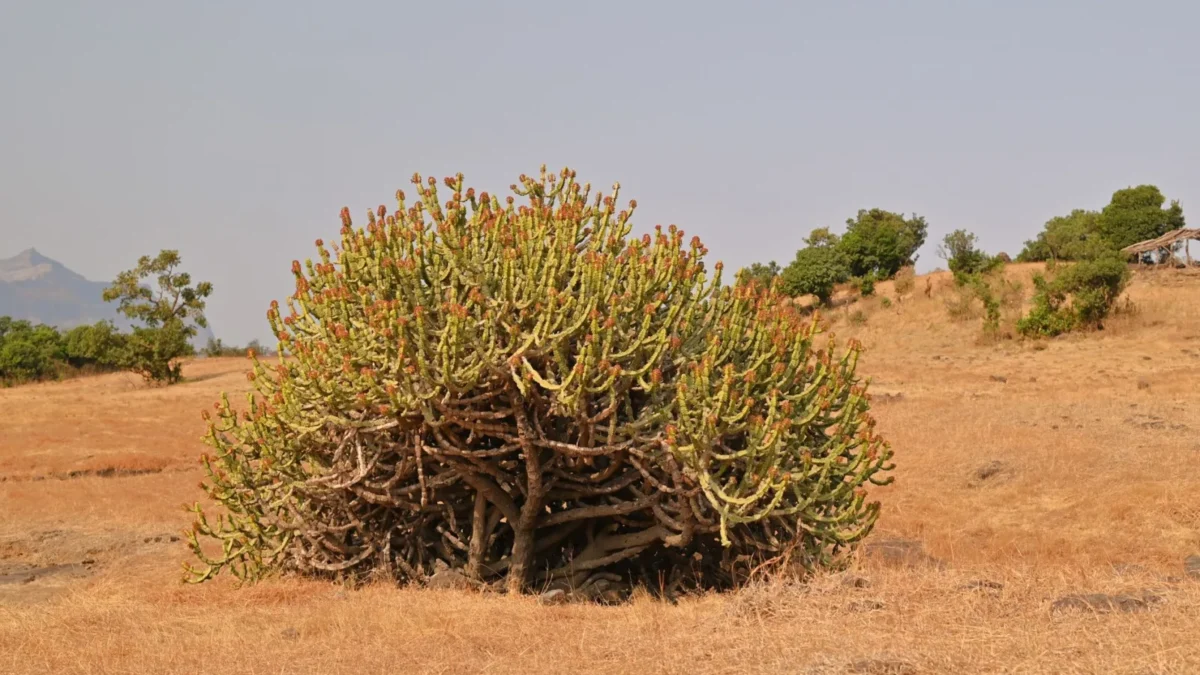
Quick answer: Your pencil cactus is turning yellow most often because of overwatering, which causes root rot and deprives the roots of oxygen. Less commonly, it’s insufficient light, cold temperature, or nutrient deficiency. Check the soil moisture and root health first to identify which one is happening.
| Botanical name | Euphorbia tirucalli |
|---|---|
| Light | Bright direct light; south or west-facing window ideal; tolerates bright indirect light |
| Watering | Water when top inch of soil is dry; every 2-3 weeks spring/summer; monthly or less in winter |
| Humidity | Dry to neutral environment; below 50% humidity; misting not advised |
| Temperature | 65-80°F ideal; never below 50°F; benefits from slight day-to-night temperature dip |
| Soil | Sandy, well-draining cactus or succulent soil; excellent drainage essential |
| Feeding | Balanced fertilizer at half strength monthly during growing season; or once yearly in spring |
| Size | 6-8 feet tall as houseplant; 20-30 feet outdoors |
| Difficulty | easy |
| Cats | ⚠️ toxic — Irritant latex sap causes oral irritation, vomiting, diarrhea |
| Dogs | ⚠️ toxic — Irritant latex sap causes oral irritation, vomiting, diarrhea |
| What you see | Likely cause | What to do |
|---|---|---|
| Yellow stems, soft or mushy base | Overwatering or root rot | Stop watering; let soil dry completely; repot in fresh, well-draining soil if rot smell present |
| Yellow stems with pale, weak growth | Insufficient light | Move to a south- or west-facing window with bright direct light |
| Yellow stems, otherwise healthy looking | Nutrient deficiency | Feed with balanced fertilizer at half strength monthly during spring and summer |
| Yellow stems after exposure to cold air | Temperature stress | Move away from cold drafts, AC vents; keep temperature between 65–80°F |
| Yellow tips or scattered yellowing | Natural or combined factors | Check soil first; adjust watering, light, and temperature as needed |
Overwatering: The Most Common Culprit
Overwatering causes root rot, which starves the roots of oxygen and makes the stems turn yellow. The pencil cactus stores water in its fleshy stems and is highly drought-tolerant—it’s far more likely to be killed by too much water than too little.
To diagnose overwatering:
- Check the soil. Stick your finger into the top inch; if it feels wet or even damp, that’s your problem.
- Lift the pot. If it feels much heavier than it should, water is sitting in the soil.
- Inspect the base. Soft, mushy, or dark stems at the soil line indicate root rot.
To fix it:
- Stop watering immediately and allow the soil to dry out completely.
- If the soil has poor drainage and you see signs of rot, repot the plant into fresh cactus or succulent soil.
- Going forward, water only when the top inch of soil is dry—typically every 2 to 3 weeks in spring and summer, and roughly monthly or less in winter.
Insufficient Light
Yellowing stems can indicate insufficient light. Without enough direct light, the plant weakens and cannot produce the energy it needs to stay vibrant green. The ideal spot is a sunny south- or west-facing window where bright direct light streams in consistently.
If you move a pencil cactus from low light to intense sun too quickly, bleached patches or crisp tips may appear instead—ease it into brighter exposure over about a week. Once it’s in the right spot, turn it weekly so all sides receive equal light.
Nutrient Deficiency
Yellowing stems can indicate a lack of essential nutrients. Euphorbias rarely need much feeding—they often become overgrown if the soil is too rich—but occasional feeding during the growing season helps. Use a balanced fertilizer at half the recommended dose monthly from spring through summer (May to September).
Don’t over-feed; more fertilizer doesn’t mean better results.
Temperature Stress
Keep your pencil cactus in temperatures between 65–80°F and never expose it to cold below 50°F. It benefits from a slight drop from day to night temperature, which mimics its natural environment. Prolonged cold or sudden drafts from air conditioning or windows can shock the plant and cause yellowing or leaf drop.
Preventing Yellowing
The key to a healthy pencil cactus is a ‘soak and dry’ watering approach. When you do water, pour water slowly over the entire soil surface until it drains from the bottom, then let the soil dry completely before watering again. Use soil with excellent drainage— this is the most important characteristic. Keep the plant in bright direct light, avoid cold drafts, feed sparingly during the growing season, and your pencil cactus should stay vibrant green.
Read the full guide: Pencil Cactus Care: The Complete Guide
More about Pencil Cactus
The same problem in other plants
- Why Is My Monstera Turning Yellow in Water?
- Why Are My Echeveria Leaves Turning Yellow?
- Why Are My Orange Bird of Paradise Leaves Turning Orange?
- Why Are My Pink Princess Philodendron Leaves Turning Yellow?
Sources
- Pencil Cactus Plant Care
- Pencil Cactus (Euphorbia tirucalli) Care Guide: Watering, Light, Soil & Toxicity🌟 – Healthy Houseplants
- Pencil Cactus Care Guide: Euphorbia tirucalli Plant Care Tips
Photo: Ankittt Bhattacharjee / Pexels, Pexels