Snake Plant Dracaena trifasciata
Snake Plant Care: The Complete Guide
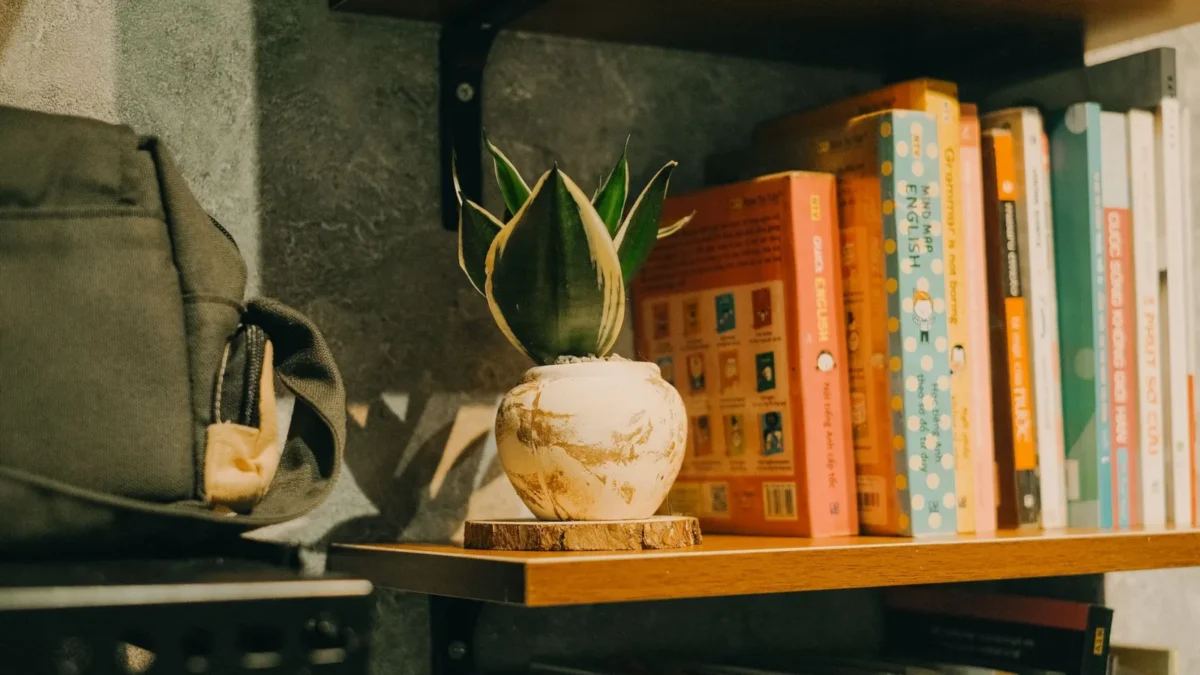
Snake plant care is straightforward because this African native is remarkably forgiving. This guide covers everything you need to know to keep your snake plant thriving, from light and watering schedules to troubleshooting common problems and understanding pet safety.
| Botanical name | Dracaena trifasciata |
|---|---|
| Light | Moderate to bright indirect light; tolerates low light; 2-6 hours direct sun |
| Watering | Water when soil is 100% dry; every 2-4 weeks spring/summer, 6-8 weeks winter |
| Humidity | Average room humidity is ideal; no misting needed |
| Temperature | Thrives 70-90°F (21-32°C); tolerates around 50°F |
| Soil | Well-draining potting mix; potting soil, perlite, and sand mixture |
| Feeding | Once every two months during summer/growing periods; 2-3 times yearly |
| Difficulty | easy |
| Cats | ⚠️ toxic — Saponins cause nausea, vomiting, diarrhea in cats |
| Dogs | ⚠️ toxic — Saponins cause nausea, vomiting, diarrhea in cats |
Key points
- Water only when soil is 100% dry, typically every 2–4 weeks in spring and summer, and every 6–8 weeks in winter
- Place your plant in moderate to bright indirect light, near an east or west-facing window, and limit direct sun to 2–6 hours daily
- Snake plants thrive at 70–90°F (21–32°C) and need no misting; average room humidity is fine
- Well-draining soil is essential; mix regular potting soil, perlite, and sand
- Fertilize once every two months during summer and growing periods
- Snake plants are toxic to both cats and dogs, causing nausea, vomiting, and diarrhea
Light Requirements for Snake Plants
Snake plants tolerate a wide range of light conditions. They can survive in low light, but they thrive in moderate to bright indirect light. The ideal spot is near an east or west-facing window, which gives consistent, gentle daylight without intensity swings.
Direct sunlight is possible—your snake plant can handle 2 to 6 hours per day—but too much can cause leaf burn. If your window faces south and sunlight is strong, place the plant a few feet away or filter it with sheer curtains or blinds.
If your snake plant is in a dim corner, the leaves may curl as a sign it wants more light; moving it to a brighter spot with filtered light often resolves this.
Watering Your Snake Plant
When to Water
The golden rule is simple: water only when the potting soil is 100% dry from top to bottom. Overwatering is the leading cause of problems, so err on the side of underwatering rather than giving too much.
Seasonal Watering Schedule
In spring and summer, water every 2 to 4 weeks during active growth. In winter, extend this to every 6 to 8 weeks when growth slows.
For more precise timing, check the soil before watering:
- Spring (Mar–May): Water every 14–21 days once the top 2 inches are fully dry
- Summer (Jun–Aug): Water every 10–14 days with the top 2 inches dry
- Fall (Sep–Nov): Water every 21–28 days, checking the top 3 inches
- Winter (Dec–Feb): Water every 35–45 days with the full pot nearly dry
How to Water
Water the soil thoroughly until water drains from the bottom holes. The exact amount depends on pot size, but frequency is what matters—wait until the soil is fully dry before watering again.
Avoid letting water pool in the center where leaves form a cup shape, as this leads to rot and a mushy plant.
Humidity and Temperature
Humidity
You don’t need to mist your snake plant. Average room humidity is ideal, and the humidity naturally found in your home is perfect for this plant. No special adjustments are needed.
If your indoor air is particularly dry—especially during winter when heating systems run—leaves may curl as a response. If this happens, you can occasionally mist leaves or use a pebble tray with water to raise humidity around the plant. Alternatively, simply ensure the plant is well-watered (not over-watered) during dry months and the curling usually resolves.
Temperature
Snake plants thrive in temperatures between 70°F and 90°F (21°C–32°C). They also tolerate temperatures around 50°F, making them forgiving in most homes.
Avoid placing your plant near cold drafts from windows in winter or hot, dry air from heating vents. Move the plant away from baseboard heaters and heating vents, which create very dry, warm pockets right at plant height.
Soil and Repotting
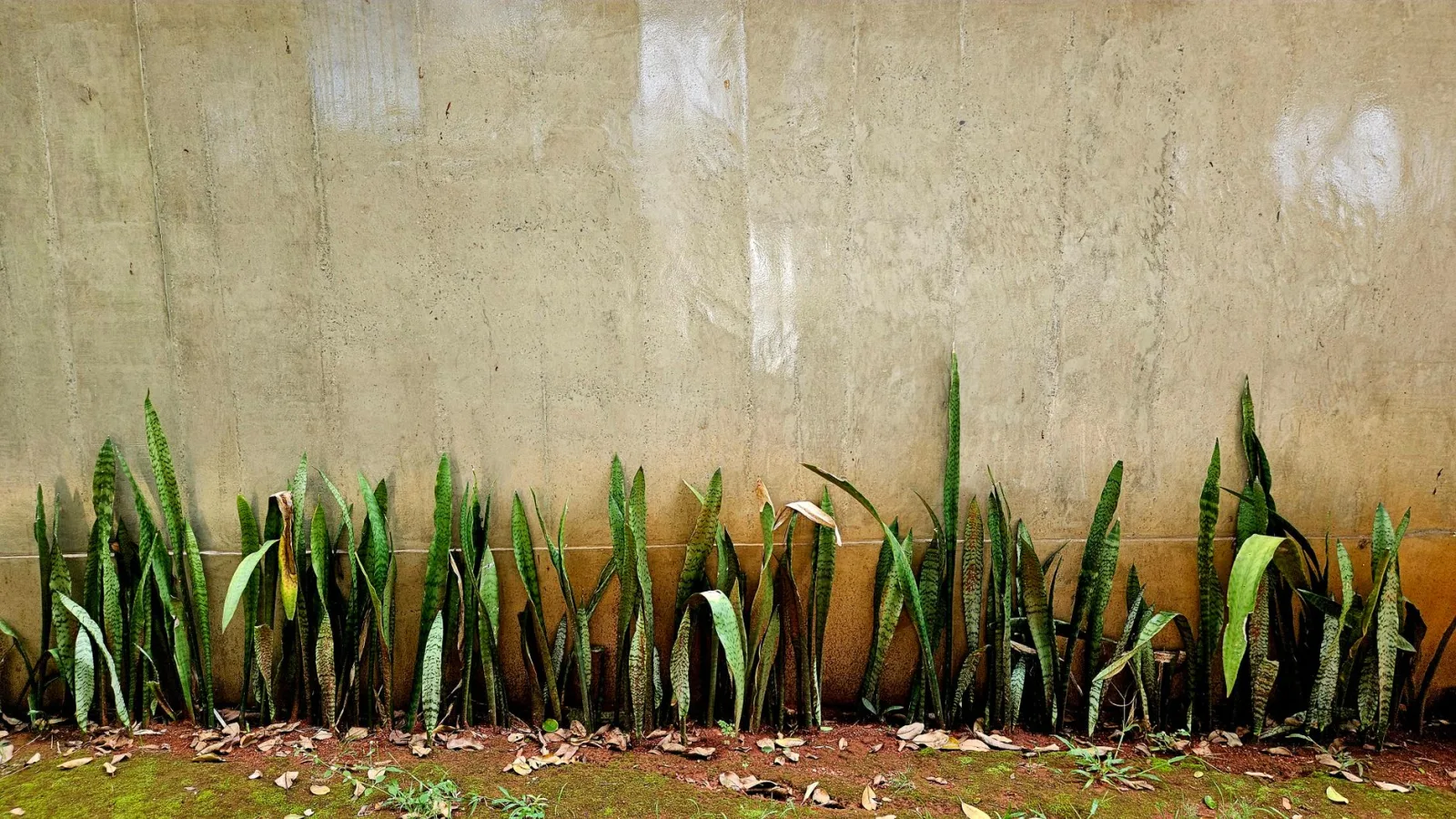
Snake plants grow best in loose, well-draining soil. A mixture of regular potting soil, perlite, and sand works well. This combination prevents the soggy conditions that lead to root rot.
When repotting, choose a container that is not too large for the plant’s size and ensure it has adequate drainage holes. Well-drained soil and careful watering prevent root rot, which occurs when soil stays wet.
Feeding and Fertilizer
Snake plants don’t need much fertilizer to grow. Applying fertilizer once every two months throughout summer and the growing period is sufficient. Some growers find that feeding two or three times a year is enough for indoor plants.
Don’t overdo it. Excessive fertilizer harms roots and leaves; over-fertilized leaves may curl inward or appear burnt.
Pruning and Maintenance
Snake plants are quite durable and difficult to kill, so regular pruning is rarely necessary. Remove any yellowing or damaged leaves at the base to keep the plant looking tidy. If a leaf becomes damaged physically, you can trim it, but the plant will function fine without this maintenance.
Regularly wipe dust from the leaves with a soft, damp cloth to keep them looking vibrant and allow the plant to photosynthesize more efficiently.
Propagation Methods
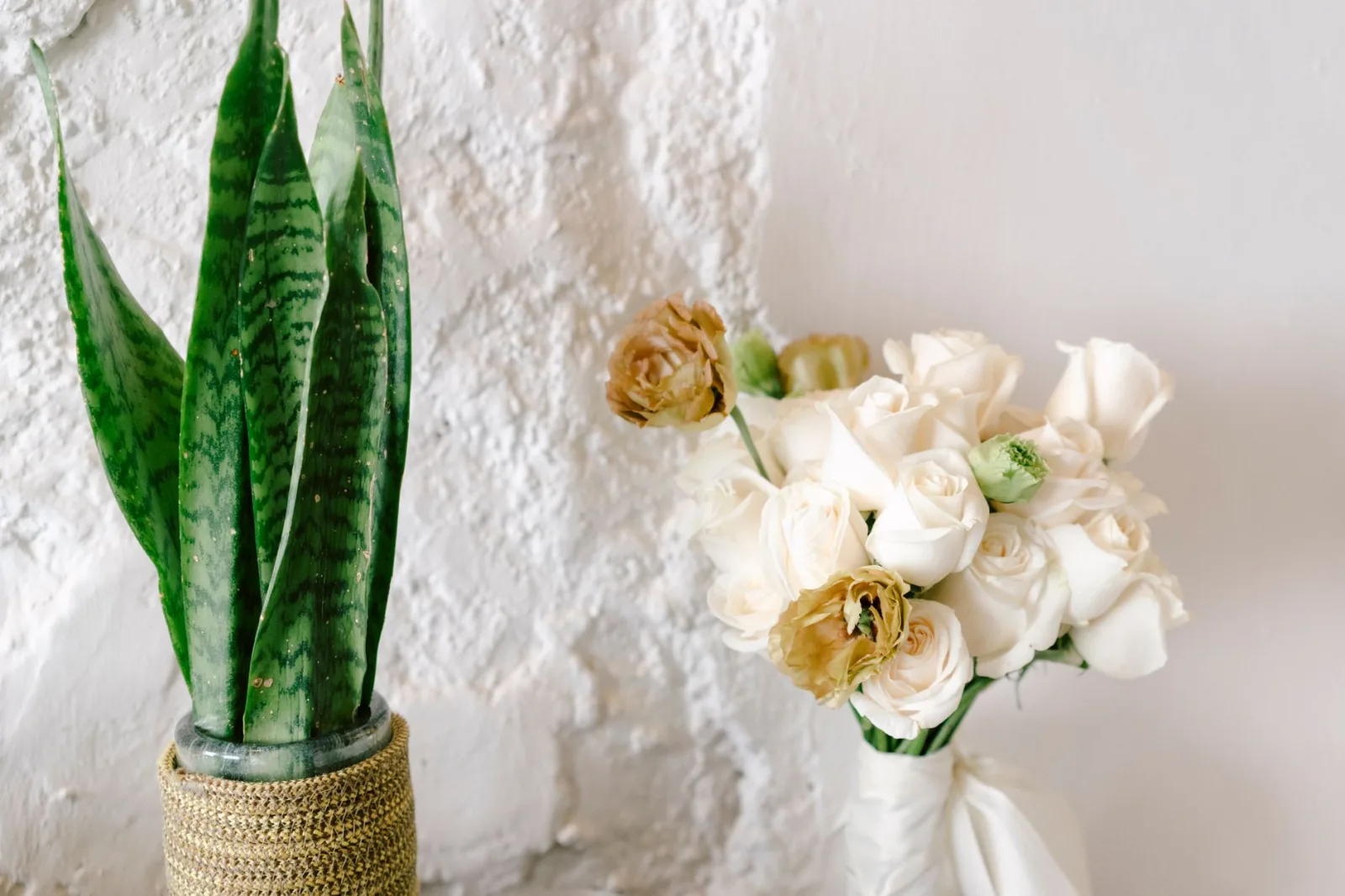
Snake plants can be propagated in three ways. Division is the fastest and safest method.
Division (Fastest Method)
Remove the mother plant from its pot and gently brush away soil to expose the base. Locate the pups—small plants with their own root systems connected via rhizomes (horizontal underground stems). Separate pups when they are at least one-third the size of the mother plant or when the pot becomes crowded and roots begin pushing through drainage holes.
Alternatively, slice the root ball into sections using a sterilized sharp knife or scissors, ensuring each portion has at least three rhizomes, a snake plant pup, or a leafy top. Division creates new plants instantly.
Leaf Cuttings in Soil
- Cut off a single leaf near the soil line.
- Snip the leaf into pieces about 2 inches each.
- Let the cuttings callus for a couple of days—a callus is soft, dry, whitish tissue that forms when the cut heals.
- Plant sections upright in well-draining succulent or cactus soil with the cut end down.
- Keep the soil lightly moist and provide bright indirect sunlight.
Roots establish in about 4–8 weeks.
Leaf Cuttings in Water
- Take a healthy leaf cutting and submerge 25% in water.
- Keep the pot in a room with sufficient bright indirect sunlight.
- Replace the water weekly to prevent rot and provide oxygen.
- You’ll see new root growth at the base in about two months.
Common Problems and Solutions
Yellowing Leaves
Yellowing leaves are often the first sign of an overwatered snake plant. Waterlogged soil damages roots; as root function declines, the plant can’t move water and nutrients up to leaves even though the soil is soaking wet. Yellowing typically starts at the base where leaves emerge from soil and progresses upward. Overwatered leaves feel soft or waterlogged rather than firm and rigid, and may feel mushy or release moisture when squeezed.
To confirm overwatering, remove the plant from its container and inspect the roots. Healthy roots are yellow or white; rotting roots have dark brownish parts and feel soft and mushy when touched. Reduce watering, allow the plant to dry out, repot in fresh well-draining soil in a properly sized container with adequate drainage, and adjust your watering schedule.
Don’t confuse overwatering yellow with yellowing from too little water or too much direct sun, which appear as bleached or pale patches on leaf surfaces rather than yellowing from the base.
Curling Leaves
Underwatering is the number-one cause of leaf curling. When water reservoirs in the leaves deplete, the leaf collapses inward along its center, creating that wavy fold. Ensure the plant is properly watered—not over-watered—between dry periods.
Overwatering and root damage are the second and third causes. Check soil moisture and root health using the methods above for yellowing leaves.
Low humidity in dry indoor air can cause curling, especially in winter. A humidifier near the plant raises ambient humidity from typical 15–20% winter levels to 35–45%, which is plenty for snake plants. If you cannot add a humidifier, simply ensure the plant is well-watered during dry months and the curling usually resolves.
Too much direct sunlight can cause leaves to curl as a defense mechanism. Curling accompanied by lightening of the leaves indicates sun stress. Move the plant a few feet away from the window or use a sheer curtain to filter light.
Temperature stress from cold drafts or blasts of hot, dry air from heating vents can shock the plant and cause leaves to curl and droop. Move the plant away from these sources.
Pests, especially thrips, can cause curling. Inspect the plant for tiny insects or unusual spots, and treat with an appropriate insecticide if needed.
Overfertilization causes leaves to curl inward or appear burnt. Cut back on fertilizer to once every two months during growing season.
Snake Plant Toxicity for Pets and Humans
Toxicity to Cats
Snake plants are toxic to cats. The toxic principle is saponins, naturally occurring compounds found throughout the plant in leaves, stems, and roots that function as a natural defense mechanism. Saponins cause nausea, vomiting, and diarrhea in cats.
The toxicity level is generally mild and not fatal. Cats may develop symptoms like nausea, vomiting, and diarrhea when they consume a small amount of saponin; signs are only severe if a cat ingests too much. If your cat has eaten a snake plant, contact your veterinarian or a pet poison control hotline like Pet Poison Helpline or ASPCA Poison Control immediately. Call the ASPCA Poison Control at (888) 426-4435.
Toxicity to Dogs
Snake plants are similarly toxic to dogs. Saponins cause nausea, vomiting, and diarrhea; dogs may also experience excess drooling, tummy problems, and dilated pupils. A snake plant cannot kill a dog, as its toxicity level is mild to moderate.
If your dog has eaten a snake plant, contact your veterinarian or Pet Poison Helpline immediately and describe the situation and any symptoms your pet is exhibiting.
FAQ
How often should I water my snake plant?
Water only when the soil is 100% dry. In spring and summer, this typically means every 2 to 4 weeks; in winter, every 6 to 8 weeks. Check the soil before watering rather than following a fixed calendar.
Can snake plants grow in low light?
Yes, snake plants tolerate very low light, but they thrive in moderate to bright indirect light. If your plant is in a dim corner, it may curl its leaves to signal it wants more light; moving it to a brighter spot helps.
Do I need to mist my snake plant?
No. Average room humidity is ideal for snake plants, and you don’t need to mist them. Misting is unnecessary and can increase the risk of rot if water sits on leaves.
What soil should I use for snake plants?
Use a well-draining potting mix made of regular potting soil, perlite, and sand. This prevents soggy conditions and root rot.
How do I propagate a snake plant?
Division is the fastest and safest method. Remove the mother plant, locate pups (baby plants), and separate them when they are at least one-third the size of the mother or when the pot becomes crowded. Alternatively, cut a healthy leaf into 2-inch sections, let them callus for a few days, and plant them upright in well-draining succulent soil.
Is my snake plant toxic to my pets?
Yes. Snake plants are toxic to both cats and dogs due to saponins, which cause nausea, vomiting, and diarrhea. The toxicity is mild to moderate and not fatal, but if your pet eats the plant, contact your veterinarian or ASPCA Poison Control at (888) 426-4435 immediately.
More about Snake Plant
Sources
- 5 Symptoms of Overwatered Snake Plants
- Dracaena Trifasciata: Care and Growing Guide
- Dracaena trifasciata (Golden Birds Nest, Good Luck Plant, Mother-in-law's Tongue, Snake Plant)
Photo: Pew Nguyen / Pexels, Pexels