Why Are My Pothos Leaves Turning Yellow? Common Causes and Fixes
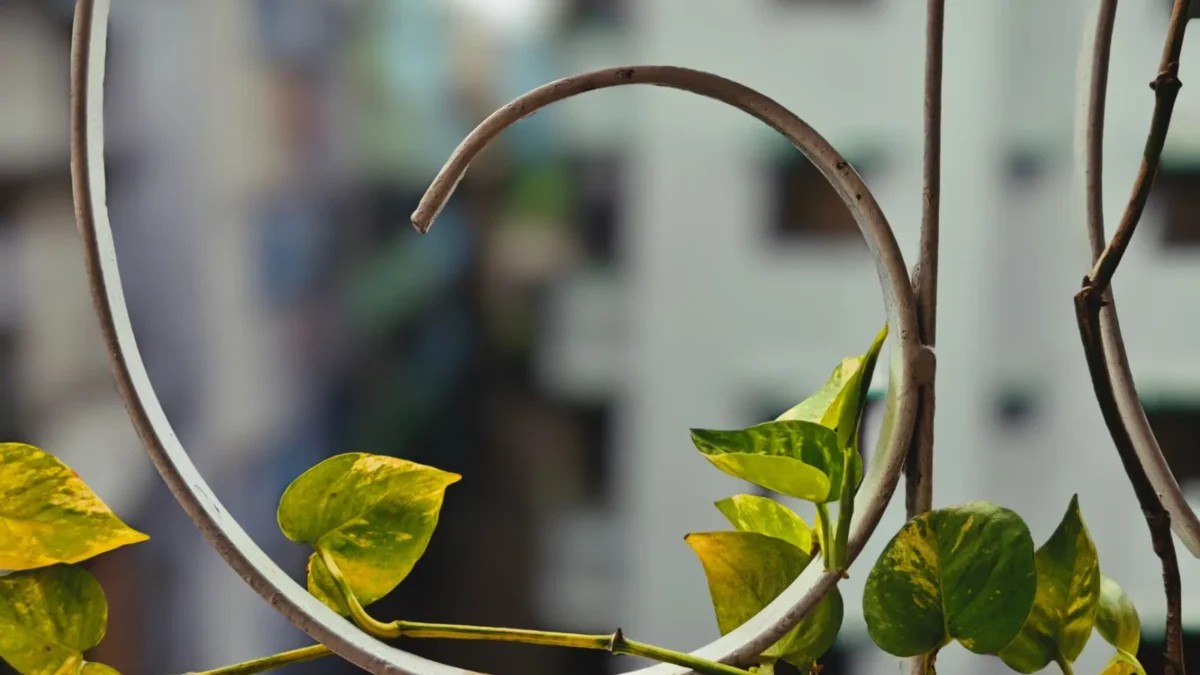
Quick answer: Yellow leaves on pothos are most commonly caused by watering problems—either too much or too little—or by insufficient light. In many cases, older leaves turning yellow is also completely normal as your pothos naturally ages.
Overwatering Is the Most Common Culprit
The first place to check is your watering routine. Both too much and too little water cause yellowing, but overwatering is the leading cause.
When you water too frequently, the soil stays wet for days and the roots suffocate—they need oxygen as well as water. This prevents them from absorbing nutrients properly, which paradoxically creates wilting and yellowing even though the soil is damp.
To tell if overwatering is the problem, push your index finger two to three inches into the soil. If the soil feels saturated or spongy, stop watering immediately and let it dry out. Other signs of overwatering include soft yellow leaves, a sour-smelling root system, and wilting despite wet soil.
Underwatering and Low Light
If the soil pulls away from the pot sides and feels bone-dry, your pothos isn’t getting enough water. When the potting mix dries out completely for too long, the plant responds with yellow leaves, especially on the oldest growth. Underwatered leaves also appear brittle with brown tips and a dry texture.
Low light is another major cause. If you’ve moved your pothos from bright light to a dimmer spot, it can no longer photosynthesize efficiently and will yellow and drop leaves. Conversely, too much direct sunlight can scorch the foliage and turn leaves yellow and wilted.
Nutrient Deficiencies and Natural Aging
When older leaves turn yellow first, it often signals a nutrient issue. Nitrogen deficiency is most common—the plant moves nitrogen from old leaves to new growth, leaving the older foliage yellow. Avoid fertilizing too often, as this can also trigger yellowing.
Older pothos leaves naturally turn yellow and fall off as part of the plant’s normal aging cycle. If only the bottom leaves near the base are yellowing and the rest of the plant looks healthy, this is nothing to worry about and requires no action.
Should You Remove Yellow Leaves?
Once leaves turn yellow, they won’t return to green. If yellowing is due to natural aging and your plant has plenty of healthy green leaves, leave them alone—they’ll fall off naturally and decompose to feed the soil. Never remove a yellow leaf if new growth is sprouting nearby, as it’s still supporting that new leaf.
If you do decide to trim them, wait until the leaf is fully yellow and drying at the edges, then cut near the base with clean scissors. Remove any leaves with brown, mushy spots immediately, as these may indicate disease. Avoid removing large numbers of leaves at once, as this stresses the plant and reduces its ability to photosynthesize.
Quick Watering Fix
Allow the top inch of soil to dry out before watering again, and make sure your pots have drainage holes. Plants that receive too little water perk up quickly after watering, while overwatered ones stay limp despite wet soil—use this to guide your routine going forward.
Read the full guide: What Light Does Your Monstera Really Need?
Sources
- Why is my pothos turning yellow? 9 common causes and how to fix them
- Yellow Leaves on Plants: Diagnose & Fix the Cause
- 10 signs your houseplant's problem isn't lack of water
Photo: Rony Stephen Chowdhury / Pexels, Pexels