Alocasia Frydek Alocasia micholitziana 'Frydek'
Alocasia Frydek Care: The Complete Guide
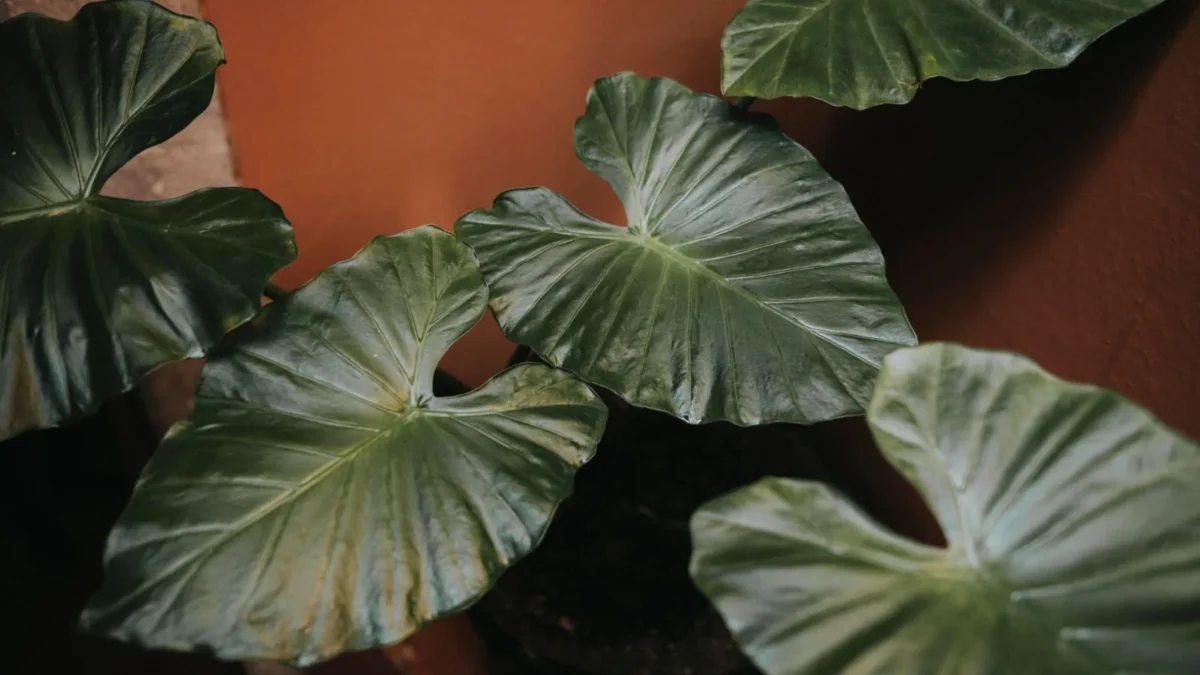
Alocasia Frydek care requires attention to light, watering, humidity and soil—but master these fundamentals and you’ll grow a striking houseplant with velvety dark-green leaves and white veins. This guide covers everything you need to keep your Alocasia Frydek thriving indoors, from understanding its tropical origins to solving the problems that most commonly cause decline.
| Botanical name | Alocasia micholitziana 'Frydek' |
|---|---|
| Light | Bright indirect light (300–500 fc); avoid direct sun 10am–4pm to prevent leaf scorch |
| Watering | Water when top 2 in of compost dries; every 6 days in summer, 12 days in winter; reduce in dormancy |
| Humidity | At least 60%, ideally 80% |
| Temperature | 16–30°C (60–85°F); keep cooler and drier in winter when dormant |
| Soil | 2 parts peat-free houseplant compost + 2 parts orchid bark + 1 part perlite + 1 part horticultural charcoal; pH 5.5–6.5 |
| Feeding | Balanced liquid fertilizer diluted to half strength every 4–6 weeks during growing season; do not fertilize in winter |
| Size | 0.5–1 m height; 0.5–1 m spread; slow-growing, compact |
| Difficulty | demanding |
| Cats | ⚠️ toxic — Insoluble calcium oxalates cause oral irritation, swelling, drooling, vomiting |
| Dogs | ⚠️ toxic — Insoluble calcium oxalates cause oral irritation, swelling, drooling, vomiting |
Key points
- Water when the top 2 inches of compost dries; every 6 days in summer, 12 days in winter
- Provide bright indirect light (300–500 fc); avoid direct sun 10am–4pm to prevent leaf scorch
- Maintain at least 60% humidity, ideally 80%
- Use a loose, well-draining mix: 2 parts peat-free compost + 2 parts orchid bark + 1 part perlite + 1 part charcoal
- Feed every 4–6 weeks in the growing season with half-strength balanced fertilizer; skip winter
- This is a demanding plant; toxic to cats and dogs
What Is Alocasia Frydek and Why Is It Special?
Alocasia Frydek, botanically Alocasia micholitziana ‘Frydek’, is a hybrid selection of elephant’s ear that features dark, velvety-green, heart-shaped leaves with contrasting white veins. It reaches a maximum height of 0.5–1 metres with a maximum spread of 0.5–1 metres as a slow-growing, compact houseplant. This makes it ideal for shelves, plant stands or desks where you want real impact without overwhelming the space.
The plant grows from a rhizome that is highly sensitive to excess moisture, so drainage and aeration matter far more than with many other houseplants. In its native habitat on the island of Luzon in the Philippines, Alocasia Frydek grows from a central rhizome that occasionally produces offsets, or ‘pups’, allowing the plant to slowly form a small clump over time.
Light Requirements for Alocasia Frydek
Alocasia Frydek needs bright indirect light between 300–500 fc to maintain its characteristic deep green, velvety foliage. Place it near bright east- or north-facing windows without direct sun exposure.
Direct sun between 10 a.m. and 4 p.m. causes irreversible leaf scorch and fades the velvety texture. Even in summer, when your plant is growing fastest, keep it away from the midday sun. If you only have south- or west-facing windows, use a sheer curtain to filter the light.
Insufficient light shows as pale or fading leaf color and slowed growth. Alocasias are better described as medium-light plants than shade plants; in weak light they stretch their stems toward the light, and those elongated, thinner stems are less able to hold up the heavy blade. Persistently low light also tends to show as pale color, slow growth, and leaf drop.
Watering Your Alocasia Frydek
Alocasia Frydek prefers evenly moist, never soggy, soil, allowing the top inch of the growing medium to dry out slightly between waterings. Water when the top 2 inches of compost dries out—this typically means every 6 days in summer and every 12 days in winter.
In the growing season from April to October, check the soil regularly and water once the top 2 inches of compost has dried. During winter, when the plant goes dormant, reduce watering to a minimum. Both prolonged drought and waterlogged roots can cause rapid decline, so err on the side of caution.
The most common cause of Alocasia Frydek decline is overwatering. When soil stays wet 4 or more days after watering and lower leaves yellow first with a sour smell from the pot and soft mushy stems, this indicates overwatering. Yellowing leaves, a soft or mushy rhizome, a foul odor from the soil, and sudden leaf collapse are typically caused by overwatering or poor drainage.
Alocasia Frydek is sensitive to heavily mineralized or contaminated water. The main symptoms of a plant reacting poorly to its water source are leaf spotting and brown tips, but the leaves can yellow too. If you live in an area with hard water, consider using filtered or distilled water.
Humidity and Temperature Needs
Alocasia Frydek requires humidity of at least 60%, but thrives best around 80%. This is one of the most important care requirements for this tropical plant. Dry indoor air commonly causes crispy, browning leaf edges, curling leaf margins, and slowed or stalled new growth.
To raise humidity, group plants together, mist the leaves regularly, or place your pot on a pebble tray filled with water (making sure the pot sits above the waterline, not in it). Wiping the leaves with a damp rag serves double duty: it keeps humidity high around the plant and discourages spider mites, to which Alocasias are a favorite host.
Temperature should sit between 16–30°C (60–85°F). Keep the plant cooler and drier in winter when it’s dormant. Avoid cold draughts and sudden temperature drops, which can trigger leaf drooping and stress.
Soil and Repotting Guide
The right soil mix is critical for Alocasia Frydek because the rhizome is so sensitive to excess moisture. Use 2 parts peat-free houseplant compost + 2 parts orchid bark + 1 part perlite + 1 part horticultural charcoal. This combination provides the loose structure, drainage and aeration the plant needs.
Horticultural charcoal added at 5 to 10 percent by volume helps keep the mix fresh and reduces the risk of anaerobic, sour soil conditions around the sensitive rhizome. Soil pH should be mildly acidic, between 5.5 and 6.5, to support healthy nutrient uptake and vigorous, richly coloured foliage.
Dense, compacted soil restricts oxygen to the rhizome and roots and slows overall growth; refresh the potting mix every 1 to 2 years to prevent this. When repotting, only move up one pot size and handle the rhizome gently to avoid damage.
Feeding Your Alocasia Frydek
Feed your Alocasia Frydek every 4–6 weeks during the growing season with a balanced liquid fertilizer diluted to half strength. Do not fertilize in winter when growth slows.
Apply the diluted fertilizer solution to already-moist soil rather than dry soil to reduce the risk of root and rhizome burn, and avoid splashing fertilizer directly onto the velvety foliage.
If leaves turn uniformly pale yellow while the veins stay green, it’s often a sign of nutrient deficiency—usually nitrogen or magnesium. Nitrogen deficiency causes generalized yellowing of older leaves first. Magnesium deficiency shows as interveinal chlorosis—yellowing between the veins while the veins stay green—also on older leaves. Regular feeding during the growing season prevents these issues.
Pruning and Leaf Cleaning
Alocasia Frydek rarely needs pruning. Remove any dead or yellowing leaves at their base to keep the plant looking tidy and redirect energy to healthy new growth. Occasional yellow leaves are inevitable even if your Alocasia is getting the right light and you’re watering correctly; it is a stage in their foliage’s life cycle where old leaves are shut down and drained of resources, which turns them yellow.
Wipe the velvety leaves regularly with a damp, soft cloth to remove dust and keep them looking their best. This also helps you spot pest infestations early. Avoid leaf shine products, which can clog the pores and damage the characteristic velvety texture.
Propagation Methods
Alocasia Frydek is most commonly propagated through rhizome division, since it grows from a clumping rhizome rather than a vining stem, and this method allows growers to create genetically identical new plants with relatively high reliability.
Wait until spring when the plant has come out of dormancy. Carefully remove the plant from its pot and gently separate the rhizomes. Each division should have at least one growth point (node) and some roots. Plant the corms in their own containers—ensuring that the top half of the bulb is sticking out of the soil—and put them in a humid environment until they sprout. Keep the soil consistently moist but not waterlogged, and provide bright indirect light. New growth should emerge within a few weeks.
Common Problems and Solutions
Yellow leaves
Yellow leaves have at least seven different causes: overwatering, low humidity, bad lighting, nutrient deficiency, spider mites, natural dormancy, and temperature stress; each one calls for a completely different fix. Start by checking soil moisture. If the soil is soggy and smells sour, overwatering is the culprit—cut back on water and improve drainage. If the leaves are pale with yellowing between the veins, it’s likely a nutrient deficiency; resume regular feeding. If the plant is in low light or the room is very dry, move it closer to a window and increase humidity.
Drooping leaves
Alocasia leaves droop primarily due to improper watering—most often overwatering leading to oxygen-deprived roots and early-stage root rot. However, they also frequently droop from underwatering, sudden temperature drops, low humidity (below 40%), or transplant shock. For Alocasia Frydek specifically, drooping usually indicates prolonged underwatering or root binding—not acute overwatering. Check the soil moisture first: if bone dry, water thoroughly. If soggy, reduce watering and improve drainage. Also check that the rhizome is still firm; a soft, mushy rhizome suggests root rot.
Crispy or browning leaf edges
Dry indoor air commonly causes crispy, browning leaf edges, curling leaf margins, and slowed or stalled new growth. Increase humidity to at least 60% by misting, grouping plants together, or using a pebble tray. Wipe the leaves regularly with a damp cloth to discourage spider mites and raise local humidity around the plant.
Root rot
Alocasia Frydek plants are extremely prone to root rot, and one of the biggest causes is overwatering. If you spot a soft or mushy rhizome, foul-smelling soil, or sudden leaf collapse, remove the plant from its pot, cut away any soft, blackened roots with a sterile knife, and repot into fresh, well-draining mix. Reduce watering frequency and ensure the pot has drainage holes.
Dormancy and leaf loss
Alocasia Frydek may go through a period of partial or total dormancy, particularly in lower light or cooler months, during which growth slows and some older leaves may die back; this is generally normal and not necessarily a sign of a problem, provided the rhizome itself remains firm and healthy. During dormancy, water sparingly and do not fertilize. The plant will put out new growth as daylight increases and temperatures warm in spring.
Is Alocasia Frydek Toxic to Pets?
Yes, Alocasia Frydek is toxic to both cats and dogs. All parts of the plant, especially the leaves and stems, contain insoluble calcium oxalate crystals, which pose the greatest risk if chewed, bitten into, or ingested.
When a pet chews any part of an Alocasia plant, the calcium oxalate crystals trigger intense pain and swelling in the mouth and throat. Clinical signs include oral irritation, pain and swelling of mouth, tongue and lips, excessive drooling, vomiting, and difficulty swallowing. In rare cases, severe swelling can affect breathing.
If your cat or dog has chewed Alocasia, contact your vet or the ASPCA Animal Poison Control Center on (888) 426-4435 in the US, or Animal PoisonLine on 01202 509 000 in the UK and follow their advice. To keep pets safe, place your Alocasia Frydek on a high shelf or in a room they cannot access.
FAQ
How often should I water Alocasia Frydek?
Water when the top 2 inches of compost dries—typically every 6 days in summer and every 12 days in winter. During winter dormancy, reduce watering to a minimum.
What light does Alocasia Frydek need?
Bright indirect light between 300–500 fc is ideal. Place it near east- or north-facing windows and avoid direct sun between 10 a.m. and 4 p.m., which causes irreversible leaf scorch.
What humidity does Alocasia Frydek prefer?
Alocasia Frydek requires at least 60% humidity, but thrives best around 80%. Mist regularly, use a pebble tray, or group plants together to raise humidity.
Is Alocasia Frydek difficult to care for?
Yes, Alocasia Frydek is a demanding houseplant. It requires careful attention to watering, humidity, light and soil drainage. However, once you understand its needs, it rewards you with stunning velvety foliage.
Can I propagate Alocasia Frydek?
Yes, propagate in spring by dividing the rhizome. Each division should have at least one growth point and some roots. Plant in humid conditions and keep soil moist until new growth appears.
Why are the leaves on my Alocasia Frydek turning yellow?
Yellow leaves have multiple causes including overwatering, low humidity, insufficient light, nutrient deficiency, spider mites, natural dormancy, or temperature stress. Check soil moisture first; if soggy, cut back on water. If the plant is in low light or a dry room, relocate it and increase humidity.
More about Alocasia Frydek
Sources
Photo: José Luis Photographer / Pexels, Pexels