Aloe Vera Aloe vera
Aloe Vera Care: The Complete Guide
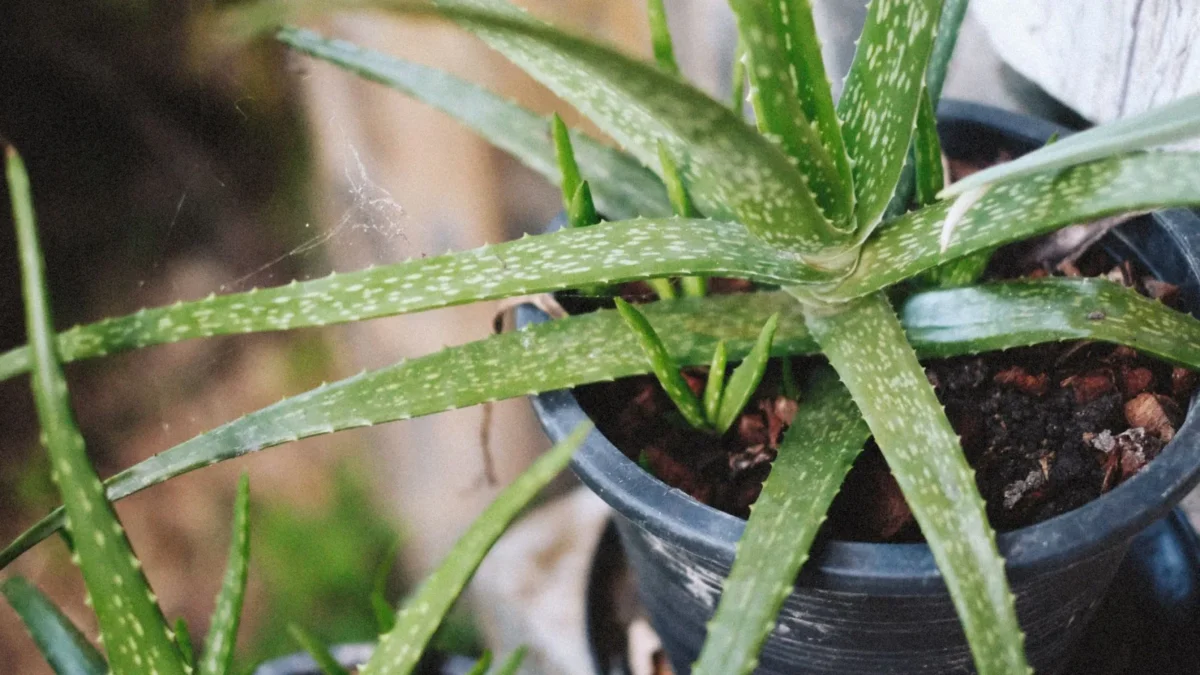
Aloe vera care is straightforward once you understand the plant’s needs. This succulent thrives on neglect rather than fussing, making it perfect for busy plant owners and beginners. Below is everything you need to know to grow healthy aloe vera plants, whether you keep them on a sunny windowsill or move them outdoors for summer.
| Botanical name | Aloe vera |
|---|---|
| Light | Full sun; adapts to part shade; needs bright light for flowering |
| Watering | Water sparingly when compost feels dry; reduce to minimum in winter |
| Humidity | Dislikes humid atmospheres; tolerates dry indoor air |
| Temperature | 50-60°F nights in summer; minimum 40°F in winter |
| Soil | Well-draining cacti/succulent potting compost or peat-free loam with 50% sand/grit |
| Feeding | General liquid fertilizer monthly from May to August; don't feed in winter |
| Size | 1-2 feet tall; 0.5-1 foot spread; can reach 3 feet |
| Difficulty | easy |
| Cats | ⚠️ toxic — Saponins and anthraquinones; causes vomiting, red urine |
| Dogs | ⚠️ toxic — Saponins and anthraquinones; causes vomiting, red urine |
Key points
- Water sparingly and only when compost feels dry; reduce watering to almost nothing in winter
- Place in full sun for best results, though it adapts to part shade
- Use well-draining cacti or succulent potting compost, or peat-free loam mixed with 50% sand and grit
- Keep temperatures between 50–60°F at night in summer, with a minimum of 40°F in winter
- Feed once monthly from May to August only; never fertilize in winter
- Aloe vera is toxic to both cats and dogs and causes vomiting and other serious signs
Light Requirements for Aloe Vera
Aloe vera performs best sited in full sun, but it adapts to some part shade. To encourage flowering—which only occurs on mature plants, typically in summer—the plant needs bright light.
If you’re growing aloe vera indoors year-round, position it on a south-facing or west-facing windowsill where it receives the strongest natural light available. Plants that spend summer outdoors and winter indoors often struggle because they rarely receive enough light during the darker months and will drop leaves. Gradually acclimate plants to outdoor sun if they’ve been indoors to avoid scorching.
Watering Your Aloe Vera Plant
Aloe vera care relies most heavily on correct watering. Water deeply but infrequently, allowing the compost to dry out completely between waterings. The plant stores water in its leaves, so it survives periods of drought naturally.
Water very moderately in spring, summer, and fall, but reduce watering to the minimum in winter when the plant enters dormancy. A good rule of thumb: stick your finger into the soil. If it feels dry, water thoroughly until it drains from the pot’s bottom. If the compost is still moist, wait longer.
Overwatering is the most common reason aloe vera plants fail, leading to root rot. Plants left sitting in wet compost are starved of oxygen at the roots, causing yellow leaves, root rot, and eventually death. If you water and both old and new leaves yellow and drop simultaneously, you’ve overwatered.
Humidity and Temperature
Aloe vera tolerates dry indoor air perfectly well; the plant dislikes humid atmospheres and cannot cope with freezing temperatures. Never mist the leaves or place the plant near a humidifier.
The plant tolerates 50°F to 60°F nights in summer with a minimum of 40°F in winter. If you move aloe vera outdoors for summer, protect it from rain and bring it back indoors in early fall before night temperatures dip below 50°F.
Dropping, wilting, or discolored leaves can signal chilling injury, so avoid letting the plant sit in cold drafts or below the minimum temperature for extended periods.
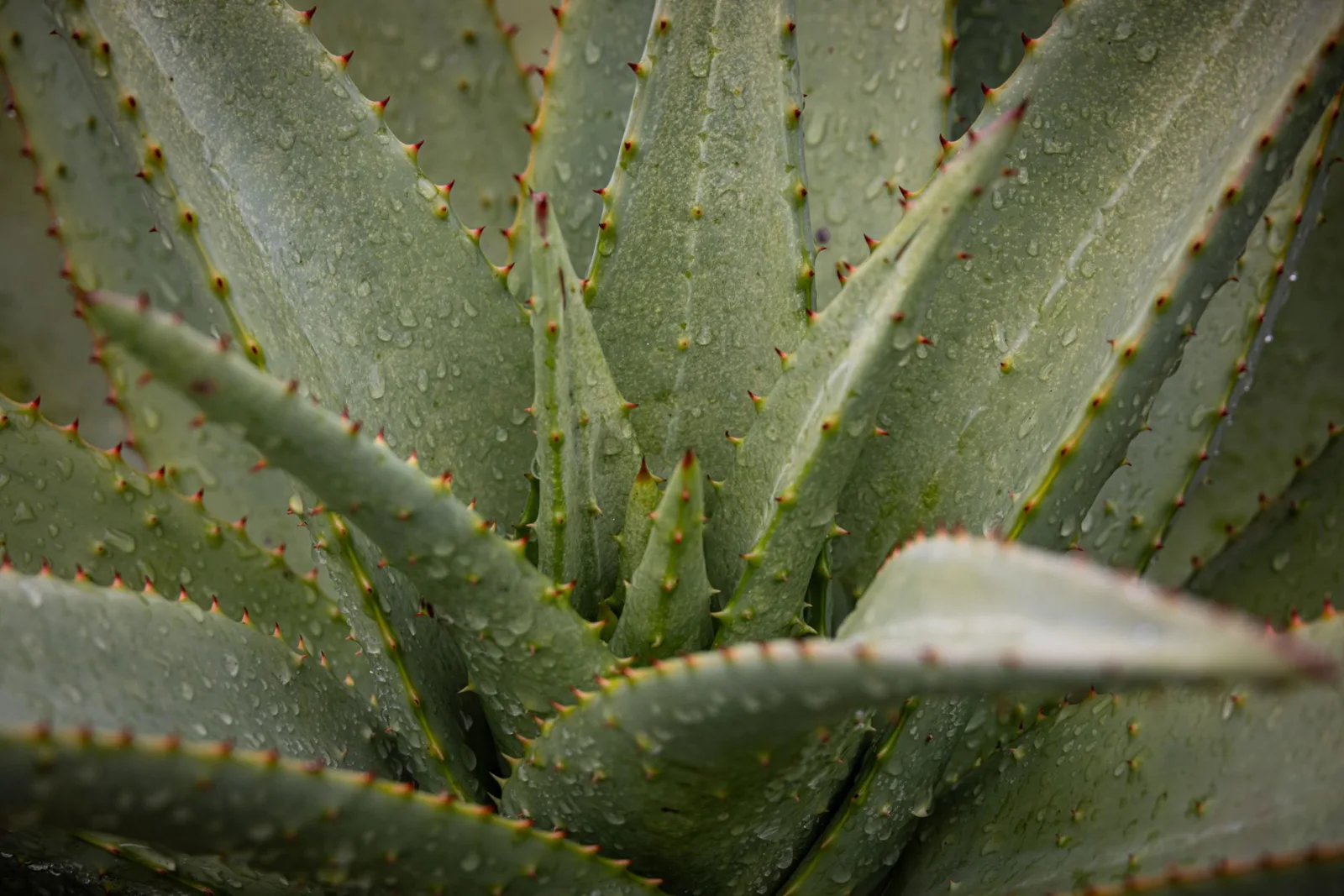
Soil and Repotting Aloe Vera
Aloe vera needs fast-draining soil to prevent root rot. Grow it indoors in a container of peat-free cacti potting compost, or peat-free loam-based potting compost with added horticultural grit. If you’re making your own mix, combine multipurpose peat-free compost with 50% sand and/or grit to replicate the well-drained conditions the plant demands.
Repot every 2–3 years or when the plant becomes root-bound, using a well-draining potting mix designed for succulents or cacti and choosing a pot with adequate drainage holes. Always use a terracotta or clay pot with a drainage hole rather than a decorative pot without one—drainage is non-negotiable.
Feeding and Fertilizer
Aloe vera has modest nutritional needs. Apply a general liquid fertilizer once a month during the growing season from May to August. Don’t feed in winter, as the plant is dormant and won’t use nutrients.
Pruning and Harvesting
Aloe vera rarely needs pruning beyond removing dead or damaged leaves. For cosmetic reasons, you can trim away older outer leaves to maintain the plant’s appearance. Remove any leaves that show signs of rot or disease to prevent spread.
If you want to harvest the healing gel inside the leaves, cut mature outer leaves as close to the base as possible. The plant regenerates, so harvest sustainably without stripping it bare.
Propagating Aloe Vera
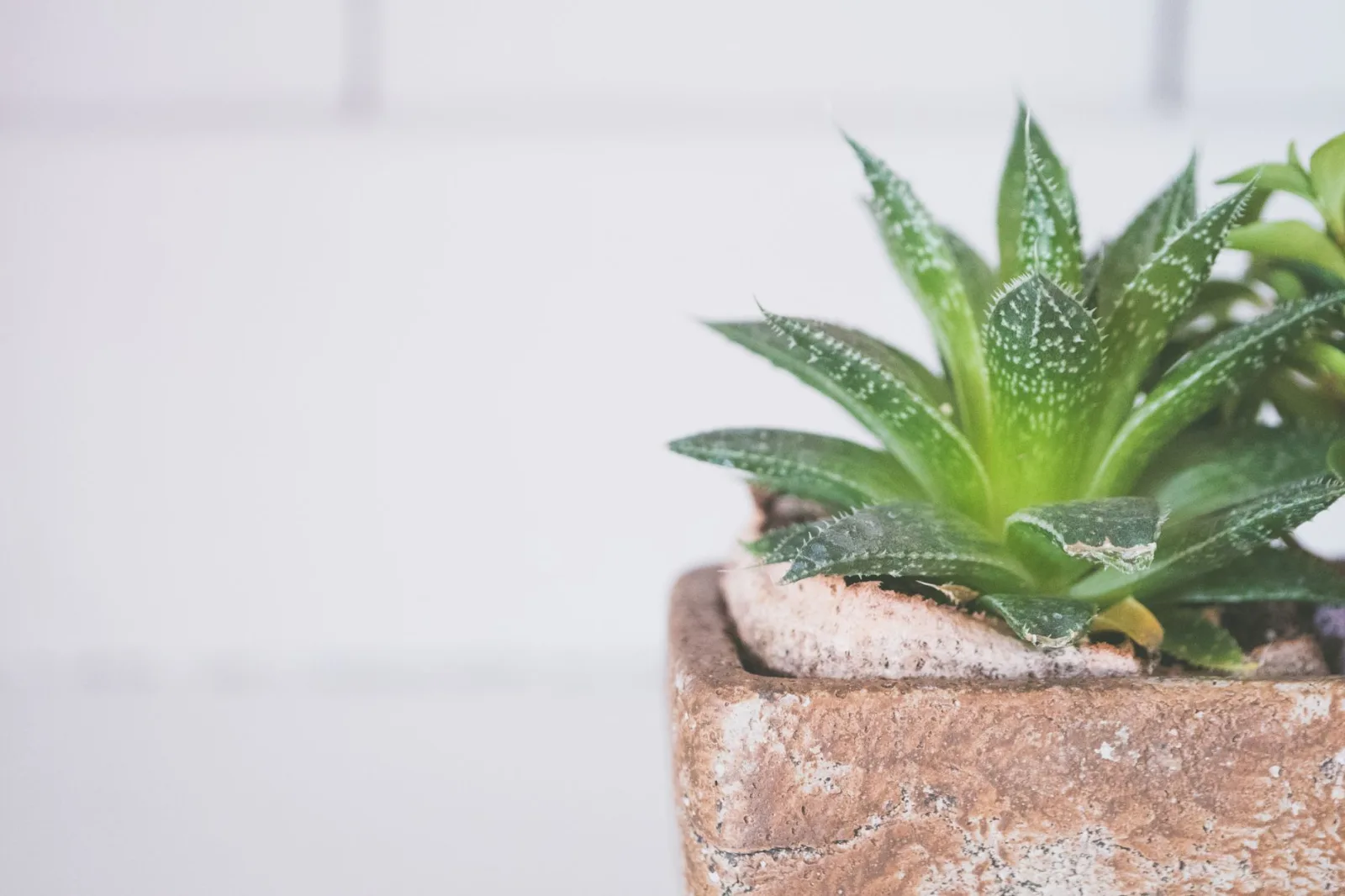
You can propagate aloe vera by seed or by separating offsets. When mature, aloe plants produce lots of offsets—small plants—that can be separated and grown independently. Propagate by seed as soon as ripe, or propagate by separating offsets in spring or early summer.
Growing from offsets
This is the easiest method for most growers:
- Wait until an offset is growing visibly next to the parent plant.
- Gently lift the whole plant out of the pot.
- Carefully separate the small offset from the parent, trying to keep some roots attached if possible.
- Root offsets in cactus potting compost.
- Water lightly and keep in a warm, bright spot.
- Once rooted (usually within 2–3 weeks), treat as a mature plant.
Common Problems and Solutions
Root rot from overwatering
This is the most common fatal problem. If the plant has soft, mushy stems or a foul smell, remove it from its pot immediately. Cut away any blackened, rotten roots and repot into fresh, dry cactus compost. Stop watering for at least 2–3 weeks to allow the plant to recover.
Yellow leaves
Yellow leaves accompanied by soft stems indicate overwatering and root rot. Reduce watering frequency and ensure the soil is bone-dry between waterings. If the problem is severe, repot into fresh compost and treat as above.
Wilting and dropping leaves
This usually signals either cold exposure or insufficient light. Check that the plant isn’t in a cold draft and is receiving adequate bright light. Move it to a warmer, brighter location and wait for new growth.
Raised corky patches on leaves
These patches represent the late stages of edema and are caused by excessive water uptake, often linked to overwatering and poor airflow in humid conditions. Improve air circulation around the plant and reduce watering. This condition is cosmetic and won’t kill the plant, but it signals that growing conditions need adjustment.
Is Aloe Vera Toxic to Pets?
Aloe vera is toxic to both cats and dogs. The toxic principles are saponins and anthraquinones. Clinical signs of poisoning include vomiting, change in urine color to red, lethargy, and diarrhea. Keep aloe vera out of reach of cats and dogs, and contact your veterinarian immediately if your pet ingests any part of the plant.
FAQ
How often should I water aloe vera?
Water only when the compost feels dry to the touch. In growing season (spring to fall), this might be every 2–3 weeks depending on pot size and ambient temperature. In winter, reduce watering to a minimum—sometimes just once a month or less.
Can aloe vera grow in low light?
Aloe vera adapts to part shade, but it won’t flower without bright light. For year-round indoor growth, place it in the brightest window available, preferably south-facing.
How fast does aloe vera grow?
Aloe vera is a slow-growing succulent. Mature plants typically reach 1–2 feet tall with a spread of 0.5–1 foot, though they can grow as tall as 3 feet under ideal conditions. Growth accelerates in bright light and warm temperatures.
What’s the best pot size for aloe vera?
Choose a pot only slightly larger than the plant’s root ball—oversized pots hold too much moisture and encourage root rot. Ensure it has adequate drainage holes. Terracotta is ideal because it’s porous and allows soil to dry between waterings.
How do I know if my aloe vera is getting enough light?
If your plant is healthy and green, it’s receiving adequate light. If it starts to pale, elongate, or drop leaves, move it to a brighter location immediately.
Is aloe vera truly easy to grow?
Yes, aloe vera has low maintenance requirements. It asks only for bright light, infrequent watering, and well-draining soil. The biggest mistakes come from overwatering and keeping it too cold.
More about Aloe Vera
Sources
- Aloe vera – Plant Finder
- RHS Registered Charity No: 222879/SC038262 Aloe plants including Aloe vera
- Aloe vera – Plant Finder
Photo: Alexey Demidov / Pexels, Pexels