Aloe Vera Aloe vera
How Often Should You Water Aloe Vera Plant: A Complete Guide
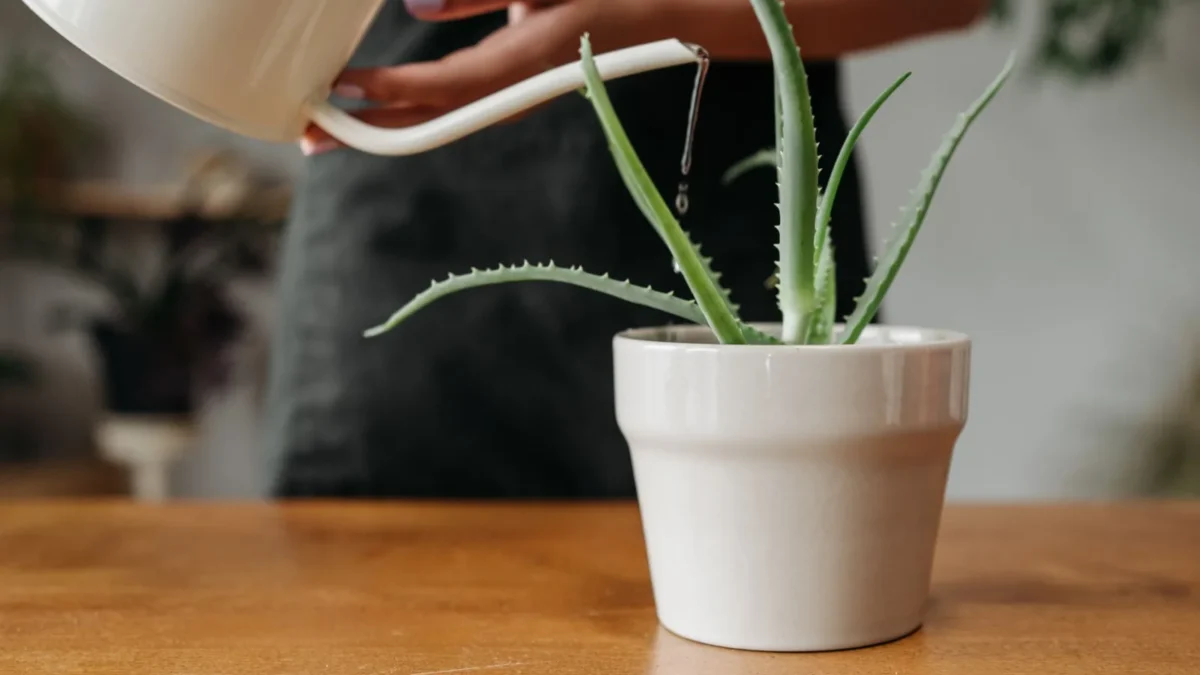
Quick answer: How often should you water this plant? Water aloe vera only when the compost feels completely dry between waterings. This typically means watering every 2–3 weeks in spring and summer, but reduce to bare minimum in winter.
| Botanical name | Aloe vera |
|---|---|
| Light | Full sun; adapts to part shade; needs bright light for flowering |
| Watering | Water sparingly when compost feels dry; reduce to minimum in winter |
| Humidity | Dislikes humid atmospheres; tolerates dry indoor air |
| Temperature | 50-60°F nights in summer; minimum 40°F in winter |
| Soil | Well-draining cacti/succulent potting compost or peat-free loam with 50% sand/grit |
| Feeding | General liquid fertilizer monthly from May to August; don't feed in winter |
| Size | 1-2 feet tall; 0.5-1 foot spread; can reach 3 feet |
| Difficulty | easy |
| Cats | ⚠️ toxic — Saponins and anthraquinones; causes vomiting, red urine |
| Dogs | ⚠️ toxic — Saponins and anthraquinones; causes vomiting, red urine |
The Basic Watering Rule
Aloe vera is a succulent that stores water in its leaves, so it thrives on neglect rather than frequent watering. Water deeply but infrequently, allowing the soil to dry out completely between waterings. This is the golden rule for keeping your plant healthy and avoiding the most common problem: root rot.
The key is checking your pot before you water. Feel the compost with your finger—if it’s still moist, wait. Only water when the soil is bone dry. Overwatering is far more dangerous than underwatering; your aloe vera can survive weeks without water but will rot quickly if left sitting in wet soil.
Seasonal Adjustments
Your watering schedule should change with the seasons. Water very moderately in spring, summer, and fall. During these growing months, you might water once every 2–3 weeks, depending on your home’s temperature and how quickly the pot dries out.
In winter, reduce watering to the minimum. Your plant enters dormancy and needs far less water—sometimes only once a month or even less. This is especially important because aloe vera dislikes humid atmospheres and cannot cope with freezing temperatures.
Watering Indoors vs. Outdoors
Indoor aloe vera plants usually stay in pots with controlled conditions, so the every-2-to-3-weeks summer schedule generally applies year-round until winter arrives. Use a pot with drainage holes and well-draining cacti or succulent compost to ensure water doesn’t linger around the roots.
If you move your aloe outside for summer, remember that it tolerates 50°F to 60°F nights but must be brought indoors before temperatures drop below 50°F. Outdoor plants may dry faster in heat and sun, so check the soil more frequently. Always protect outdoor plants from rain; natural rainfall can easily waterlog the pot.
Recognizing Overwatering Problems
Watch for warning signs that you’re watering too much. Both old and new leaves yellowing and dropping at the same time indicates overwatering. Yellow leaves and soft, mushy stems point to root rot caused by prolonged saturation. If you catch overwatering early, let the pot dry out completely for several weeks, and your plant usually recovers.
After Repotting
When you repot your aloe vera—typically every 2–3 years when it becomes root-bound—use fresh, well-draining potting mix. Wait 5–7 days before watering a freshly repotted plant to allow any damaged roots to heal and reduce rot risk. After that, resume your normal watering schedule.
FAQ
How often should I water aloe vera in summer?
Water very moderately in summer—roughly every 2–3 weeks when the compost feels completely dry.
Can I water aloe vera on a schedule?
No. Always check the compost first; water only when it’s dry. Room temperature, pot size, and humidity all affect drying speed, so no fixed schedule works for every home.
What if my aloe vera leaves turn yellow?
Yellow leaves often signal overwatering and root rot. Stop watering immediately and let the pot dry out completely. In severe cases, repot into fresh, dry compost.
Read the full guide: Aloe Vera Care: The Complete Guide
More about Aloe Vera
The same problem in other plants
- How Often Should You Water Dracaena Marginata?
- How Often to Water Hoya Carnosa: The Right Watering Schedule
- How Often Should You Water a Moth Orchid?
- How Often Should You Water Alocasia?
Sources
- Care tips for light-loving houseplants at the RHS Urban Show 2024 / RHS
- RHS Registered Charity No: 222879/SC038262 Aloe plants including Aloe vera
- Aloe vera – Plant Finder
Photo: ROCKETMANN TEAM / Pexels, Pexels