Aloe Vera Aloe vera
Why Is My Aloe Vera Plant Drooping?
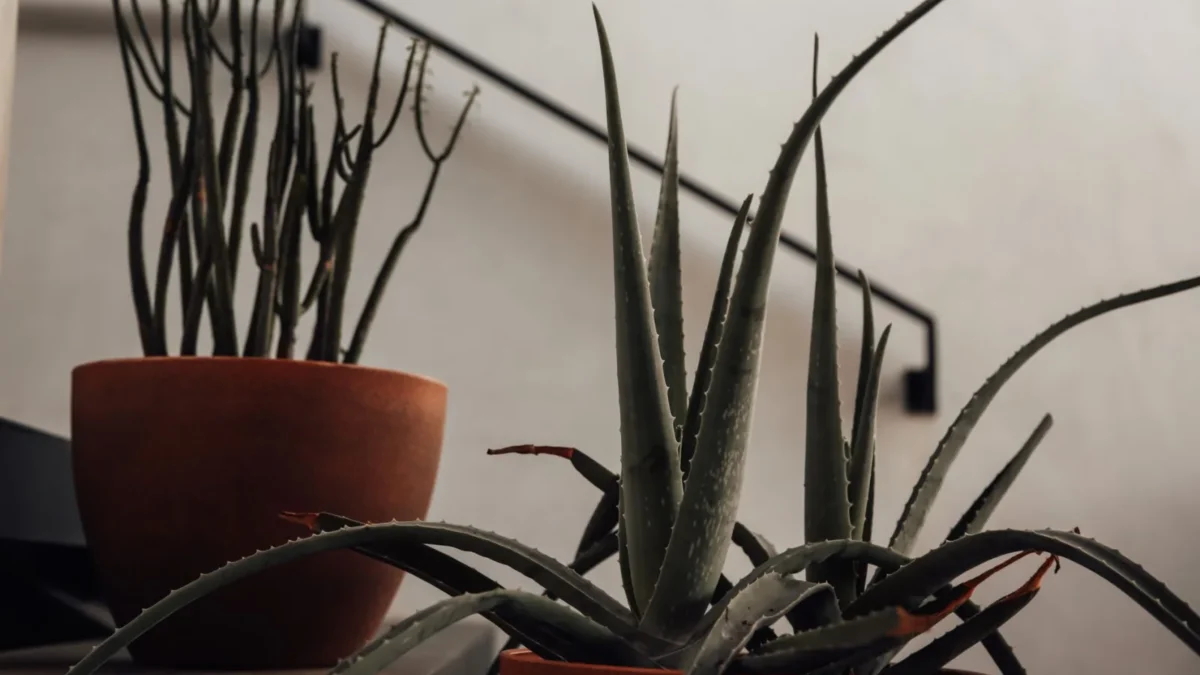
Quick answer: Drooping aloe vera leaves are usually caused by overwatering or cold temperatures. Check if the soil is wet and the roots are rotting, or if the plant has been exposed to temperatures below 50°F. Move it to a warmer spot with drier soil, and your plant should recover within weeks.
| Botanical name | Aloe vera |
|---|---|
| Light | Full sun; adapts to part shade; needs bright light for flowering |
| Watering | Water sparingly when compost feels dry; reduce to minimum in winter |
| Humidity | Dislikes humid atmospheres; tolerates dry indoor air |
| Temperature | 50-60°F nights in summer; minimum 40°F in winter |
| Soil | Well-draining cacti/succulent potting compost or peat-free loam with 50% sand/grit |
| Feeding | General liquid fertilizer monthly from May to August; don't feed in winter |
| Size | 1-2 feet tall; 0.5-1 foot spread; can reach 3 feet |
| Difficulty | easy |
| Cats | ⚠️ toxic — Saponins and anthraquinones; causes vomiting, red urine |
| Dogs | ⚠️ toxic — Saponins and anthraquinones; causes vomiting, red urine |
| What you see | Likely cause | What to do |
|---|---|---|
| Leaves drooping, yellowing, soft stems | Overwatering and root rot | Stop watering; let soil dry completely; repot in fresh, well-draining compost if roots smell bad |
| Leaves drooping, yellowing, mushy base | Poor drainage | Repot using cacti potting compost or peat-free loam with 50% sand and grit |
| Leaves drooping, wilting, discolored | Cold exposure below 50°F | Move indoors to a warmer location immediately |
| Healthy green leaves drooping slightly | Underwatering in warm weather | Water deeply until it drains; allow soil to dry between waterings |
Overwatering and Root Rot—the Most Common Problem
Overwatering is the most common issue with aloe vera, leading to root rot. Aloe vera doesn’t want constantly moist soil. When soil stays wet, roots suffocate and begin to rot, preventing water and nutrients from reaching the leaves. You’ll see both old and new leaves yellowing and dropping at the same time, and the base of the plant may feel soft or mushy.
To fix it, stop watering immediately and let the soil dry out completely. If the problem is severe, gently remove the plant from its pot and check the roots—healthy roots are pale and firm, while rotted roots are dark, mushy, and smell unpleasant. Trim away any soft, blackened roots with a clean knife, then repot your aloe in fresh potting compost. Use peat-free potting compost mixed with 50% sand and grit to match its natural desert conditions and ensure water drains away quickly. Going forward, water sparingly—only when the compost feels completely dry, and hardly at all in winter.
Cold Temperature Damage
Aloe vera droops when exposed to cold. Dropping, wilting, or discolored leaves can be signs of chilling injury. The plant cannot cope with freezing and needs a minimum of 40°F in winter, with 50–60°F nights in summer being ideal. If your aloe has been outside, near a cold window, or in an unheated room, move it to a warmer, brighter spot right away. Place it indoors where temperatures stay above 40°F, ideally between 50–60°F. Your plant should perk up within a few days to a week.
Poor Drainage
Even if you water correctly, poor drainage traps water around the roots. Use a pot with adequate drainage holes and fill it with well-draining cactus or succulent potting compost. If your current soil feels heavy or holds moisture, repot your aloe into the right medium—peat-free compost mixed with 50% sand and grit works perfectly.
Prevention
Keep your aloe vera in full sun or bright indirect light and allow the compost to dry completely between waterings. Water very moderately in spring, summer, and fall, but reduce watering to the absolute minimum in winter. Aloe vera tolerates dry indoor air, so don’t worry about humidity—in fact, it dislikes humid atmospheres. With these simple steps, your aloe will stay healthy and upright for years.
Read the full guide: Aloe Vera Care: The Complete Guide
More about Aloe Vera
The same problem in other plants
- Why Is My Peperomia Drooping and How to Fix It
- Why Is My Jade Plant Drooping and Wilting?
- Why Is My Moth Orchid Wilting?
- Why Is My Alocasia Drooping or Wilting?
Sources
- Aloe vera – Plant Finder
- RHS Registered Charity No: 222879/SC038262 Aloe plants including Aloe vera
- Care tips for light-loving houseplants at the RHS Urban Show 2024 / RHS
Photo: Talal Hakim / Pexels, Pexels