Areca Palm Dypsis lutescens
Areca Palm Care: The Complete Guide for Indoor Growers
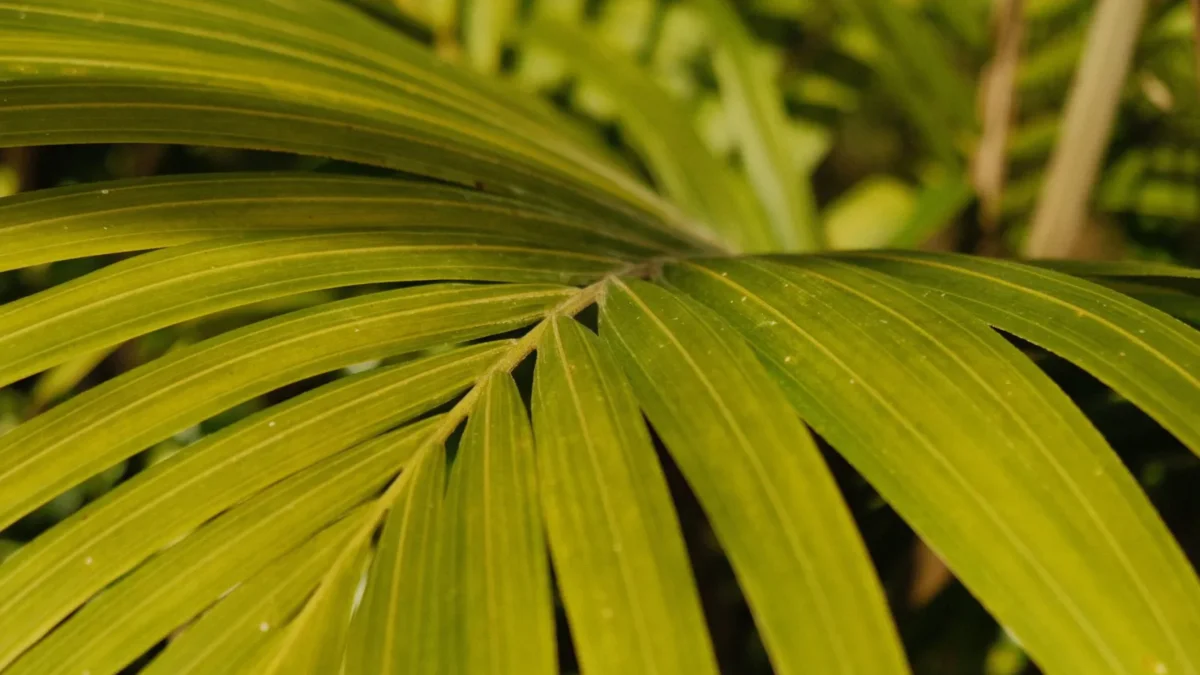
This guide covers everything you need to know to grow and maintain a healthy Areca Palm indoors, from choosing the right light and watering correctly to managing humidity and solving common problems. The Areca Palm, botanically named Dypsis lutescens, is a moderate-difficulty houseplant that rewards consistent care with lush, feathery fronds that can reach 6–8 feet tall indoors.
| Botanical name | Dypsis lutescens |
|---|---|
| Light | bright indirect light; avoid direct full sun which scorches foliage |
| Watering | water when top 1–2 inches of soil feel dry; keep evenly moist, never soggy or bone dry |
| Humidity | 50–70% humidity; use humidifier to prevent brown leaf tips |
| Temperature | 15–26°C (59–79°F); minimum 13°C (55°F) in winter; avoid cold drafts |
| Soil | well-draining loam-based potting compost; peat moss, sand, and loam mix; pH 6.1–6.5 |
| Feeding | do not feed for 6–8 weeks after potting; then fortnightly April to mid-September with general purpose liquid fertilizer |
| Size | 6–8 feet (1.8–2.4 m) tall indoors |
| Difficulty | moderate |
| Cats | ✓ non-toxic |
| Dogs | ✓ non-toxic |
Key points
- Place your Areca Palm in bright, filtered indirect light—direct full sun scorches the foliage
- Water when the top 1–2 inches of soil feel dry, typically once a week in warm months; keep soil evenly moist, never soggy or bone dry
- Maintain 50–70% humidity using a room humidifier; low humidity is the most common cause of brown leaf tips
- Keep temperatures between 15–26°C with a winter minimum of 13°C, and avoid cold drafts
- Repot only every 2–3 years; the plant resents frequent disturbance
- Feed fortnightly from April to mid-September only; skip feeding for 6–8 weeks after potting
Light Requirements for Areca Palms
Areca Palms thrive under bright indirect light indoors. Position your plant where it receives filtered sunlight rather than direct rays—a spot near an east-facing window with a sheer curtain, or a few feet back from a south- or west-facing window, works well.
Direct full sun indoors will scorch the foliage. Poor light causes far more damage than most growers realise: fronds thin out, older leaves die back, and leaf tips brown as the plant struggles to photosynthesise. If your plant shows these signs, move it closer to a light source before making other changes.
Watering Your Areca Palm: Frequency and Best Practices
Watering is the most crucial skill for Areca Palm care. The goal is to keep the soil evenly moist—never waterlogged and never bone dry.
Watering Schedule
Water when the top 1–2 inches of soil feel dry to the touch. In warm months this typically means about once a week; in cooler seasons, water every 10–14 days. In summer, never allow the compost to dry out completely, but prevent the plant from standing in excess water. Reduce watering in winter.
Why Consistent Moisture Matters
Areca Palms are native to seasonally moist tropical habitats and prefer evenly light moisture. When the root ball dries out completely, the plant sheds fronds it cannot support, shown as brown tips spreading into whole leaflets. Conversely, overwatering causes soft brown patches, soil that never dries, sour-smelling compost, and root rot.
Water Quality
Use chlorine-free water to prevent staining and browning of leaf tips. Chlorine in municipal supplies, fluoride, and high salt content in hard water all accumulate in the soil and burn leaf tips brown, even when all other care is correct.
Humidity and Temperature Needs
Humidity: The Key to Lush Fronds
Areca Palms thrive in high humidity between 50–70%, which reflects their tropical origin. A room humidifier is the most reliable way to produce steady, meaningful humidity increases.
Low humidity causes dull, lustreless leaves and is especially problematic in heated winter rooms and air-conditioned spaces, where the air dries even when the soil contains adequate moisture. If brown tips worsen after heating season begins or on fronds facing a vent, humidity is the culprit.
Move the plant away from direct heating or cooling airflow and consider humidity above 50% but below 70% as optimal.
Temperature Range
Keep your Areca Palm in temperatures between 15–26°C (59–79°F). The winter minimum is 13°C (55°F). Avoid cold drafts, as temperatures below 16°C cause leaf tips to yellow and brown. The plant can tolerate temperatures as low as 13°C and as high as 29°C for short periods, but consistent warmth within the preferred range produces the healthiest growth.
Soil and Repotting
Soil Composition
Use well-draining, loam-based potting compost. The ideal mixture combines peat moss, sand, and loam, which provides good aeration and drainage while retaining some moisture. The soil should have a pH of 6.1–6.5 (slightly acidic to neutral).
When and How to Repot
Areca Palms prefer to be slightly root-bound and resent frequent root disturbance. Repot only when canes are visibly crowded or roots circle the inside of the pot, typically every 2–3 years. Moving up one pot size is sufficient—do not jump to a much larger container.
When repotting, work the rootball gently rather than tearing it apart. The plant may sulk for weeks if handled roughly or repotted more often than necessary.
Feeding and Fertilizer
Do not feed your Areca Palm for 6–8 weeks after potting, as fresh potting compost contains sufficient nutrients. After this period, feed fortnightly from April to mid-September with a general-purpose liquid fertiliser.
Reduce fertilisation in autumn and winter when growth slows. Overfeeding causes salt buildup in the soil and leaf tip burn, so follow the label dose and do not feed outside the April to mid-September window.
Pruning and Maintenance
No special pruning or training is required. Remove old, fully yellow or brown leaves by cutting—never pull them, as this damages the stem.
When trimming brown leaf tips, do not cut into the green part of the leaf; leave a narrow brown margin to protect the healthy tissue.
Propagation Methods
Areca Palms can be propagated by two reliable methods: seed sowing and clump division. The plant does not root from stem cuttings, leaf cuttings, or air layering.
Propagation by Seed
Seeds are uncommon in garden centres, but you can collect them from the fruits that develop after yellow flowers bloom. Older, orange-coloured seeds have higher germination rates than younger, greener ones.
Sow seeds at not less than 25°C (77°F) in moist, well-draining soil. Germination takes approximately six weeks when soil temperature exceeds 80°F and humidity is high. Viable seeds soaked for 10 minutes in a hot sulfuric acid solution can be expected to germinate in about six weeks. Seed-grown plants take 12–24 months to reach transplantable size, making this method slower than division.
Propagation by Division
Root division is the easiest and fastest method of propagating Areca Palms. Begin in spring, when the plant’s natural growth surge favours establishment.
Select a strong, mature mother plant with multiple stems at the base, as this ensures more rhizomes available for division. Divisions may show new growth in 6–10 weeks. Handle the plant gently throughout to avoid damage. Division involves separating the offshoots or pups from the parent plant and replanting them in separate pots.
Common Problems and Solutions
Brown leaf tips and yellowing fronds: Multiple causes can trigger this signature problem. Inconsistent moisture, cold drafts below 16°C, calcium buildup, and low humidity all produce brown tips. Evaluate your watering consistency first, then check humidity and temperature. If the plant is near a heating vent, relocate it. Use chlorine-free water to rule out water quality issues.
Dull, lustreless leaves: This indicates low humidity. Install a room humidifier and position the plant away from heating or cooling vents.
Root rot and soft brown patches: Overwatering is the cause. Soil that never dries and a sour smell confirm root rot. Reduce watering frequency, ensure the pot has drainage holes, and consider repotting into fresh, dry compost.
Wilting and leaf shedding: Underwatering causes the plant to shed fronds it cannot support, shown as brown tips spreading into whole leaflets. Check soil moisture by feeling the top 1–2 inches; if dry, water thoroughly.
Brown spots on leaves: Overwatering or sudden chilling can cause brown spots. Review your watering schedule and ensure the plant is not near cold air sources.
Thin fronds and leaf loss: Poor light is usually responsible. Move the plant closer to a bright window.
FAQ
Is Areca Palm toxic to cats and dogs?
No—Areca Palm (Dypsis lutescens) is non-toxic to both cats and dogs. However, consumption of any plant material may cause vomiting and gastrointestinal upset in pets, so discourage chewing.
How tall does an Areca Palm grow indoors?
Indoors, Areca Palms typically reach heights between 6–8 feet (1.8–2.4 m).
How often should I repot my Areca Palm?
Repot only every 2–3 years or when roots circle the pot. The plant resents frequent repotting and can sulk for weeks afterward.
What humidity level do Areca Palms need?
Areca Palms prefer 50–70% humidity. Aim for the 50–60% range as optimal; anything higher may promote pests and fungi.
When should I fertilise my Areca Palm?
Feed fortnightly from April to mid-September only, using a general-purpose liquid fertiliser. Do not feed for 6–8 weeks after potting.
Can I propagate an Areca Palm from cuttings?
No—Areca Palms cannot be propagated from stem cuttings, leaf cuttings, or air layering. Use fresh seed sowing or clump division instead.