Areca Palm Dypsis lutescens
Why Are My Areca Palm Leaves Drying Up? Common Causes and Fixes
Quick Answer
Quick answer: Your areca palm leaves are drying up most often because humidity is too low, the soil is either too wet or allowed to dry out completely, or you’re using chlorinated tap water. Cold drafts, poor light, and water quality also cause browning and crispness. The good news is that fixing these issues quickly stops new damage and restores your plant’s health.
| Botanical name | Dypsis lutescens |
|---|---|
| Light | bright indirect light; avoid direct full sun which scorches foliage |
| Watering | water when top 1–2 inches of soil feel dry; keep evenly moist, never soggy or bone dry |
| Humidity | 50–70% humidity; use humidifier to prevent brown leaf tips |
| Temperature | 15–26°C (59–79°F); minimum 13°C (55°F) in winter; avoid cold drafts |
| Soil | well-draining loam-based potting compost; peat moss, sand, and loam mix; pH 6.1–6.5 |
| Feeding | do not feed for 6–8 weeks after potting; then fortnightly April to mid-September with general purpose liquid fertilizer |
| Size | 6–8 feet (1.8–2.4 m) tall indoors |
| Difficulty | moderate |
| Cats | ✓ non-toxic |
| Dogs | ✓ non-toxic |
| What you see | Likely cause | What to do |
|---|---|---|
| Brown tips spreading into whole leaflets | Underwatering or dry air | Keep soil evenly moist (not soggy), boost humidity to 50–70% with a humidifier |
| Soft brown patches, musty smell, soil stays wet | Overwatering and root rot | Let soil dry between waterings; repot into fresh, well-draining compost |
| Dull, lustreless leaves with brown tips | Low humidity | Use a room humidifier; mist fronds regularly; avoid heating vents |
| Leaf tips brown after heating season starts | Dry indoor air from heating or cooling | Move plant away from heater and air-conditioning vents; run a humidifier |
| Brown tips and yellowing edges | Chlorine or fluoride in tap water | Switch to chlorine-free water, collected rainwater, or distilled water |
| Brown spots or sudden browning | Cold drafts or temperature shock | Keep plant at 15–26°C (59–79°F); avoid drafts below 13°C (55°F) |
Understanding the Causes
The Areca Palm’s feathery fronds are sensitive to their environment, and browning and drying tell you something is out of balance. Most problems cluster around three factors: water, air, and temperature.
Moisture: The Balance Between Dry and Soggy
Areca palms like evenly moist soil, not waterlogged and not bone dry. When the root ball dries out, the plant sheds fronds it cannot support, showing up as brown tips spreading into whole leaflets. Water when the top 1–2 inches of soil feel dry, roughly weekly in warm months, less often in winter.
Overwatering causes different damage. Soft brown patches, a soil surface that never dries, and a sour smell point to overwatering and root rot. Stop watering, let the pot dry out, and repot into fresh, well-draining compost if needed.
Humidity: The Hidden Culprit
Areca palms thrive in high humidity, preferring 50–70%. Dull, lustreless leaves indicate low humidity, especially once heated winter rooms or air-conditioning dry the air even though the soil stays moist. Move the palm out of direct heating or cooling airflow; a room humidifier is the most reliable fix and often stops browning within weeks.
Water Quality and Salt Buildup
Chlorine in municipal supplies, fluoride, and the high salt content of hard borewell or RO-reject water all collect in the soil and burn leaf tips brown, even when everything else is right. Use chlorine-free water such as rainwater or distilled water to prevent staining and browning of leaf tips and edges.
Light and Temperature
Arecas grow under the canopy of larger trees, so indoors too little light causes far more browning than too much: fronds thin out and tips brown. Grow your palm in bright indirect light, avoiding direct full sun, which can scorch the foliage. Keep it at a comfortable 15–26°C (59–79°F), with a winter minimum of 13°C (55°F), away from cold draughts.
How to Fix Crispy and Brown Leaves
- Check the soil. If it’s bone-dry, water deeply until it drains from the base. If it’s soggy and smells sour, let it dry and plan to repot.
- Trim dead tips. Leave a narrow brown margin rather than cutting into the green part of the leaf.
- Boost humidity. A room humidifier works faster and more reliably than misting.
- Move away from heat. Relocate plants sitting near a radiator, heater vent, or air-conditioning unit.
- Switch your water. Use rainwater or distilled water instead of chlorinated tap water.
- Check light. Keep your palm in bright indirect light, near a window but not in direct sun.
Once you’ve fixed the cause, prevention is just keeping this routine steady: consistent watering, humidity above 50%, unchlorinated water, and distance from heat and air-conditioning vents. Areca palm resents having its roots disturbed more often than necessary, so avoid repotting unless canes are visibly crowded or roots circle the inside of the pot.
Read the full guide: Areca Palm Care: The Complete Guide
More about Areca Palm
The same problem in other plants
- Why Are My Bromeliad Leaves Turning Brown?
- Why Are My Anthurium Leaves Turning Brown at the Tips?
- Why Are My Ponytail Palm Leaves Turning Brown?
- Why Are My English Ivy Leaves Turning Brown?
Sources
- Palms Indoors: Exotic Houseplants
- Areca Palm Leaves Turning Brown: Causes And How To Fix The Browning Le
- Dypsis lutescens Care Indoors: Areca Palm Indoor Care Guide
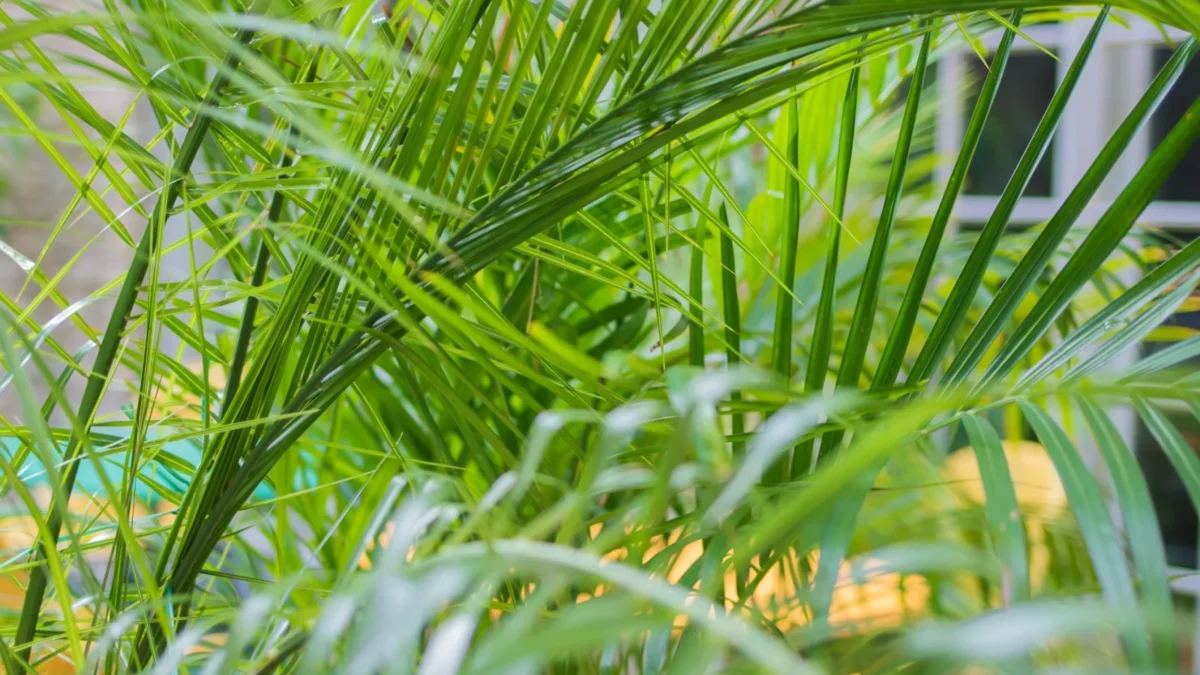
Photo: Maria Tyutina / Pexels, Pexels