Areca Palm Dypsis lutescens
Is Areca Palm Toxic to Cats and Dogs? Pet Safety Guide
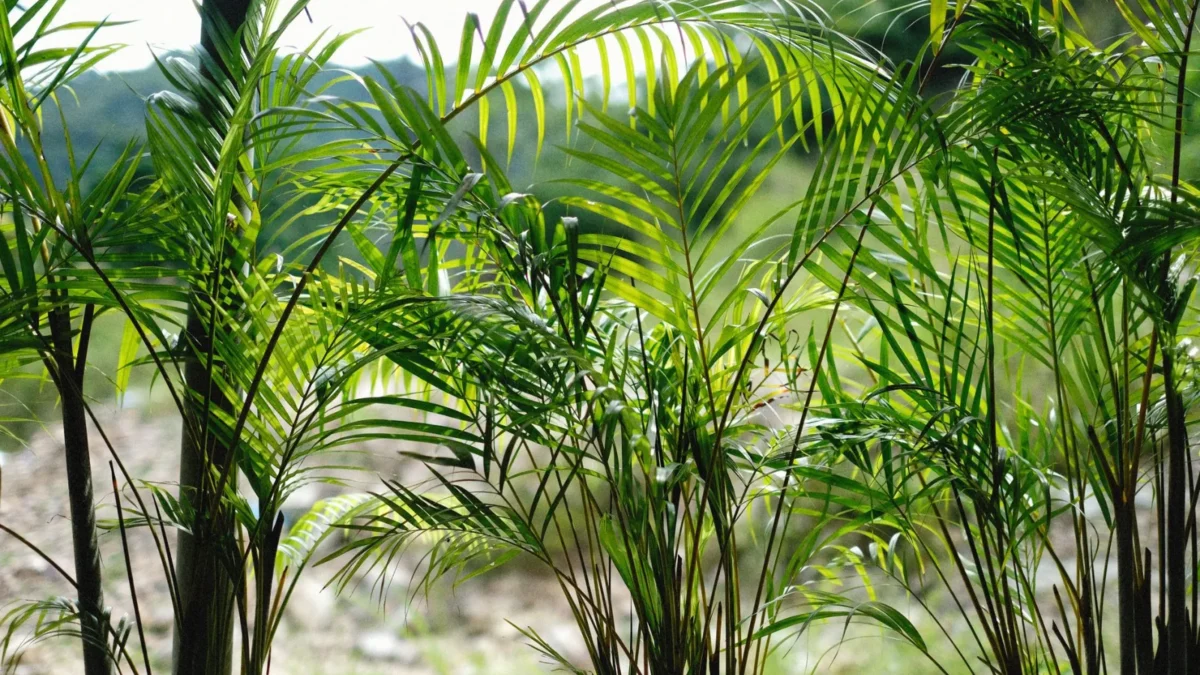
Quick answer: Areca Palm (Dypsis lutescens) is non-toxic to both cats and dogs. However, eating any plant material may cause vomiting and gastrointestinal upset, so it’s still wise to prevent your pets from chewing on it.
| Botanical name | Dypsis lutescens |
|---|---|
| Light | bright indirect light; avoid direct full sun which scorches foliage |
| Watering | water when top 1–2 inches of soil feel dry; keep evenly moist, never soggy or bone dry |
| Humidity | 50–70% humidity; use humidifier to prevent brown leaf tips |
| Temperature | 15–26°C (59–79°F); minimum 13°C (55°F) in winter; avoid cold drafts |
| Soil | well-draining loam-based potting compost; peat moss, sand, and loam mix; pH 6.1–6.5 |
| Feeding | do not feed for 6–8 weeks after potting; then fortnightly April to mid-September with general purpose liquid fertilizer |
| Size | 6–8 feet (1.8–2.4 m) tall indoors |
| Difficulty | moderate |
| Cats | ✓ non-toxic |
| Dogs | ✓ non-toxic |
What happens if cats or dogs eat Areca Palm
Although the Areca Palm is non-toxic to cats and dogs, the consumption of any plant material may cause vomiting and gastrointestinal upset for both species. This means your pet can safely nibble a leaf without risk of poisoning, but they might experience mild digestive discomfort if they eat a large amount.
If your cat or dog has chewed the plant and shows persistent vomiting, loss of appetite, or unusual behavior, contact your veterinarian. Most cases resolve on their own within a few hours to a day.
Safe placement for homes with pets
Since Areca Palm is non-toxic, you don’t need to hide it away from curious cats and dogs. However, you may still want to position it thoughtfully to prevent damage to the plant itself. The fronds are delicate and easily damaged by rough handling or repeated chewing.
Place your Areca Palm in bright indirect light, away from direct full sun which scorches the foliage. A shelf or tall plant stand keeps it out of reach of ground-level pets while giving the plant the light it needs to thrive. Avoid placing it near heating vents or air conditioners, as sudden temperature changes and dry air stress the plant and cause brown leaf tips.
Keeping your Areca Palm healthy around pets
Your plant’s main needs are steady moisture, high humidity, and bright light—none of which are complicated by pet ownership. Water when the top 1–2 inches of soil feel dry, keeping it evenly moist but never soggy or bone dry. Maintain humidity between 50–70% by using a room humidifier; this prevents brown leaf tips and keeps leaves lush, making the plant less tempting to chew. Keep the plant away from cold drafts and temperatures below 13°C (55°F) in winter.
The Areca Palm grows 6–8 feet tall indoors, so it’s a substantial houseplant that fits naturally into any room with pets. Its moderate care difficulty makes it rewarding for plant lovers who also live with cats, dogs, or other non-toxic-conscious pets.
Read the full guide: Areca Palm Care: The Complete Guide
More about Areca Palm
The same problem in other plants
- Is Anthurium Toxic to Cats and Dogs?
- Is Christmas Cactus Toxic to Cats and Dogs?
- Is Ponytail Palm Toxic to Cats and Dogs?
- Is Parlor Palm Toxic to Cats, Dogs, and Other Pets?
Sources
- Toxic and Non-toxic Plants: Areca Palm
- Search for advice details & tips on garden & indoor plants
- Dypsis lutescens – Plant Finder
Photo: Alexey Demidov / Pexels, Pexels