Begonia Maculata Begonia maculata
Begonia Maculata Care: The Complete Growing Guide
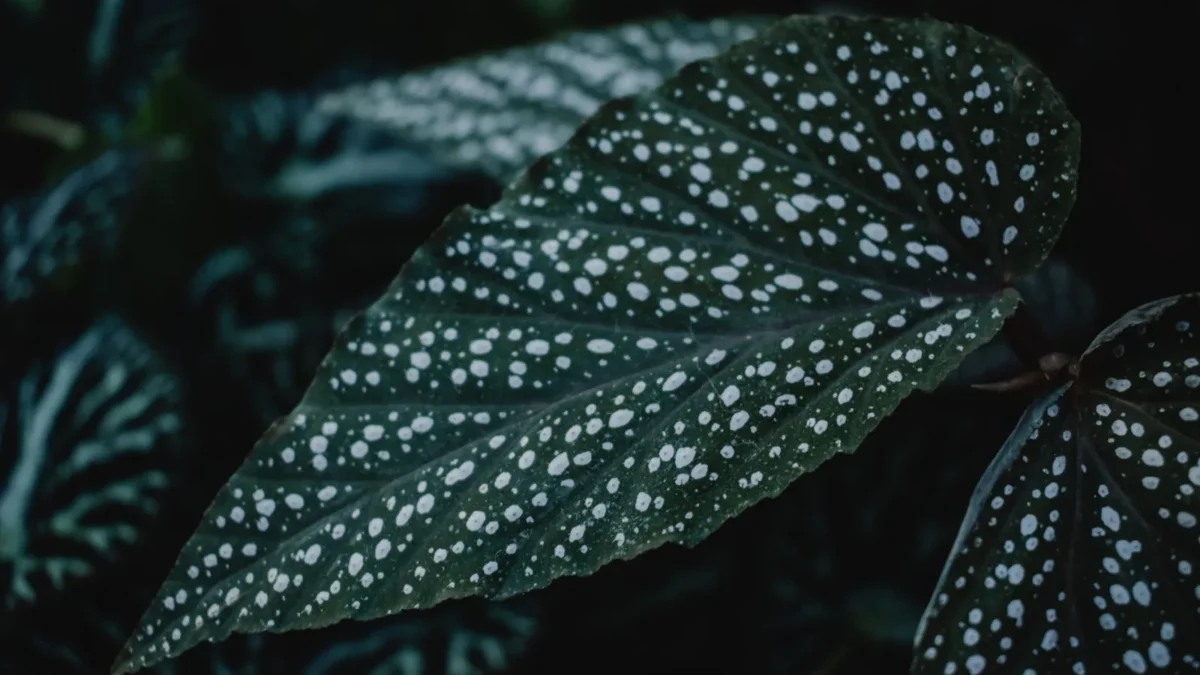
Begonia Maculata, also known as Polka Dot Begonia, is a striking houseplant with distinctive spotted leaves that brings tropical elegance to any indoor space. Growing this plant successfully indoors requires attention to specific conditions—bright indirect light, consistent watering, and high humidity—but once you understand its needs, it becomes a rewarding addition to your collection. This guide covers everything you need to know about begonia maculata care, from daily routines to troubleshooting common issues.
| Botanical name | Begonia maculata |
|---|---|
| Light | bright indirect light; avoid direct sunlight which can scorch leaves |
| Watering | water when top few centimetres of compost feels dry, typically once a week |
| Humidity | high humidity; ideally 50% or above; use humidifier or mist regularly |
| Temperature | 18°C to 24°C (64°F to 75°F); protect from cold drafts |
| Soil | light, well-drained peat-free potting compost; add perlite or orchid bark |
| Feeding | balanced liquid fertilizer every 4-6 weeks during growing season (April-September) |
| Size | 24-36 inches tall; spreads 12-18 inches wide |
| Difficulty | moderate |
Key points
- Place your Begonia Maculata in bright indirect light; an east or west-facing window with a sheer curtain works perfectly
- Water when the top few centimetres of compost feels dry, typically once a week, and ensure pots have drainage holes
- Maintain humidity at 50% or above using a humidifier, regular misting, or a pebble tray
- Keep temperatures between 18°C to 24°C (64°F to 75°F) and protect from cold drafts
- This is a moderate-difficulty plant that rewards careful attention with healthy, vibrant growth
- The plant is toxic to cats and dogs, so keep it out of reach of pets
Light Requirements for Begonia Maculata
Begonia Maculata thrives in bright, indirect light. An east or west-facing window covered by a sheer curtain is ideal for providing consistent, gentle illumination throughout the day. Avoid direct sunlight, which can scorch its leaves. Higher light levels will promote strong growth and even flowering, but direct sun exposure damages the foliage, so filtered or reflected light is your goal.
If your plant begins to develop leggy, stretched growth, it’s searching for more light. Move it closer to a window or consider a brighter location. Conversely, if the leaves lose their vibrant spotted pattern or growth slows, the plant may need more light.
Watering Your Begonia Maculata
Water when the top few centimetres of compost feels dry to the touch, typically once a week. Rather than watering on a strict schedule, check the soil regularly and water only when it needs it—this prevents the most common begonia problem: overwatering.
Begonias prefer a consistent moisture level but are prone to root rot if overwatered. Always ensure good drainage by using pots with drainage holes. When you water, do so at the base of the plant rather than overhead, as this reduces the risk of fungal leaf diseases such as powdery mildew.
If you notice yellowing leaves, overwatering is the most likely cause. Check the soil; if it feels soggy, let it dry out completely before watering again. The stems of Begonia Maculata can soften if the root ball stays wet for too long, making proper drainage and careful watering essential.
Humidity and Temperature
Humidity
This plant loves high humidity. Begonia Maculata prefers relatively high humidity, ideally 50 percent or above. In dry indoor environments, especially during winter, use one of these methods to increase humidity:
- Use a humidifier in the room where your plant sits
- Mist the leaves regularly with a spray bottle
- Place the pot on a tray filled with pebbles and water, so moisture evaporates around the plant
Low humidity is a common reason for leaf drop, so don’t overlook this requirement.
Temperature
Begonia Maculata prefers temperatures between 18°C to 24°C (64°F to 75°F). Protect it from drafts and sudden temperature changes, which can stress the plant. If the temperature drops below 60°F, the plant may begin to wilt or drop leaves.
Keep the plant away from cold drafts from air conditioning vents, drafty windows in winter, or heating vents. Similarly, avoid placing it near radiators or other heat sources that create temperature fluctuations. Environmental stability is key to preventing stress-induced leaf drop.
Soil and Repotting
Grow your Begonia Maculata in light, well-drained peat-free potting compost. A standard high-quality potting soil works well, but it’s recommended to add a handful of perlite or orchid bark to the mix to improve drainage.
Repot in the spring every 1-2 years or when the plant becomes root-bound. Use a pot that’s slightly larger than the current one—moving to a much larger pot can lead to overwatering issues, as the excess soil holds too much moisture. When repotting, gently loosen the root ball and position the plant at the same depth in its new container.
Feeding and Fertilizing
Feed your Begonia Maculata with a balanced, water-soluble houseplant fertilizer diluted to half strength, applied every 4 to 6 weeks during the active growing season of spring and summer. This means feeding from April to September. Do not fertilise in winter, when the plant’s growth naturally slows.
Over-fertilizing can damage the roots and cause salt buildup in the soil, so always follow the half-strength recommendation and stick to the 4-6 week schedule. If you notice stunted growth or burned leaf tips despite proper care, reduce feeding frequency.
Pruning and Maintenance
Pruning helps maintain the desired shape and size of your plant. Pinch off the tips of the stems to encourage bushier growth rather than tall, sparse stems. Remove any yellow or damaged leaves to keep the plant healthy and redirect energy to new growth.
Regular pruning also improves air circulation around the plant, which reduces the risk of fungal issues. As your plant grows, a light trim every few weeks during the growing season keeps it compact and attractive.
Propagating Begonia Maculata
Begonia Maculata must be propagated from stem cuttings. While some other types of begonias can grow from a single leaf, leaf-only cuttings of the Polka Dot Begonia are unreliable and will rarely produce a new plant.
Water Propagation
- Cut off about 10 cm long shoots without flowers below a leaf node.
- Remove any of the lower leaves that will be placed in your propagation medium.
- Put the cuttings in a glass of water and place in a warm, light spot at a temperature of about 20°C.
- Most Begonia Maculata cuttings do perfectly well in standard tap water.
- Change the water about every three days.
- Once your cutting has developed roots that are about one to two inches long, it’s time to move it to soil.
Water roots are different from soil roots; they are more fragile and adapted to a liquid environment, so handle the transition carefully. Plant the rooted cutting into moist, well-draining compost and maintain high humidity for the first week or two.
Soil Propagation
Some gardeners prefer to skip the water stage and plant cuttings directly into soil. Soil propagation reduces transplant shock and is highly effective if you maintain high humidity around the cutting while it takes root. Use the same light, well-draining compost you use for mature plants, keep it consistently moist (not soggy), and cover the pot with a clear plastic bag or propagation dome to trap humidity.
Common Problems and Solutions
Leaf Drop
Leaf drop is often triggered by a sudden change in environment, such as a temperature drop, a move to a new location, or a cold draft from a window or AC vent. The plant can shed leaves rapidly within a day or two of environmental stress. Low humidity is another common culprit; increase humidity using the methods described earlier. Chronic overwatering or insufficient light can also cause lower leaf drop.
Yellowing Leaves
Yellowing leaves are often caused by overwatering. Check the soil and if it feels soggy, let it dry out completely before watering again. Overwatering causes most begonia leaf drop and is the leading cause of problems in this species.
Crispy Leaf Edges
Crispy leaf edges result from dry air from heating or proximity to radiators. Increase humidity by misting regularly or using a humidifier to resolve this issue.
Drooping Stems
Drooping stems occur when soil may be too wet or the plant has experienced a sudden temperature change. Check the moisture level and ensure the plant is in a stable temperature environment away from drafts.
Pest Infestations
Mealybugs are the most common pest on Begonia Maculata; dry indoor air also invites spider mites, and the plant’s large, succulent-feeling leaves are a prime target. Rinse the plant under a strong shower, hitting the undersides of every leaf. Repeat this treatment every few days if needed. For stubborn infestations, use an insecticidal soap following the product instructions.
FAQ
Is Begonia Maculata safe for pets?
Begonia Maculata is toxic to cats and dogs. All begonias contain large amounts of soluble calcium oxalates; once ingested, the oxalate crystals embed themselves in various tissues causing irritation. Keep the plant out of reach of pets, especially curious cats and dogs.
What are the symptoms of begonia toxicity in pets?
In cats, symptoms of begonia toxicity may include oral pain, difficulty swallowing, and loss of appetite. In dogs, symptoms typically include vomiting, diarrhea, and mouth irritation. If your pet ingests any part of the plant, contact your veterinarian immediately.
How difficult is Begonia Maculata to grow?
Begonia Maculata is considered an intermediate-level houseplant. It needs consistent humidity, bright indirect light, and careful watering, but it is not overly difficult once these conditions are met. Beginners can grow it successfully by following the care guidelines closely.
How large does Begonia Maculata grow?
The plant typically reaches 24-36 inches (60-90 cm) in height and can spread approximately 12-18 inches (30-45 cm) wide. With regular pruning, you can keep it more compact if desired.
Can I propagate Begonia Maculata from a single leaf?
No, Begonia Maculata must be propagated from stem cuttings. Leaf-only cuttings are unreliable and will rarely produce a new plant, unlike some other begonia species. Always take cuttings that include at least one leaf node.
How often should I repot my Begonia Maculata?
Repot in the spring every 1-2 years or when the plant becomes root-bound. Use a pot only slightly larger than the current one to avoid overwatering problems.
More about Begonia Maculata
Sources
- Care tips for low-light tolerant houseplants at the RHS Urban Show 2024 / RHS
- Begonia Maculata Care Indoor: A Simple Success Guide
- Polka Dot Begonia (Begonia maculata) Care Guide🌟 – Healthy Houseplants
Photo: Eva Bronzini / Pexels, Pexels