Begonia Maculata Begonia maculata
Is Begonia Maculata Toxic to Cats and Dogs?
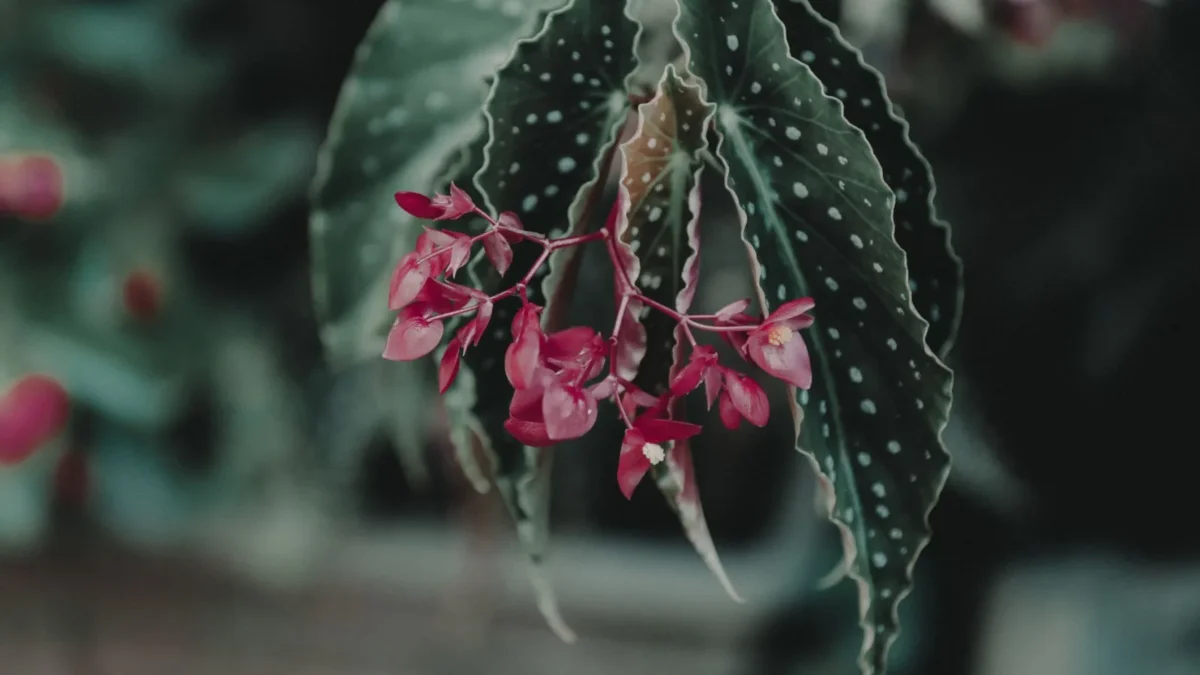
Quick answer: Yes, begonia maculata is toxic to both cats and dogs. The plant contains soluble calcium oxalates that cause painful irritation in the mouth and throat if any part is ingested. If your pet chews the leaves, stems, or flowers, watch for symptoms and contact your vet or the ASPCA Animal Poison Control Center immediately.
| Botanical name | Begonia maculata |
|---|---|
| Light | bright indirect light; avoid direct sunlight which can scorch leaves |
| Watering | water when top few centimetres of compost feels dry, typically once a week |
| Humidity | high humidity; ideally 50% or above; use humidifier or mist regularly |
| Temperature | 18°C to 24°C (64°F to 75°F); protect from cold drafts |
| Soil | light, well-drained peat-free potting compost; add perlite or orchid bark |
| Feeding | balanced liquid fertilizer every 4-6 weeks during growing season (April-September) |
| Size | 24-36 inches tall; spreads 12-18 inches wide |
| Difficulty | moderate |
Why Begonia Maculata Is Toxic to Cats and Dogs
Begonia maculata contains large amounts of oxalate crystals. When pets ingest any part of the plant—leaves, stems, or flowers—these crystals embed themselves in tissues and cause irritation. The toxin is soluble calcium oxalate, which is particularly harmful because it binds with calcium in the body.
Symptoms to Watch For
If your cat eats begonia maculata, watch for oral pain, difficulty swallowing, and loss of appetite. The symptoms are painful and cause significant distress, though begonia ingestion is rarely fatal for cats.
If your dog ingests polka dot begonia, symptoms typically include vomiting, diarrhea, and mouth irritation.
What to Do If Your Pet Ingests Begonia Maculata
If you suspect your cat or dog has chewed any part of this plant, contact your veterinarian or the ASPCA Animal Poison Control Center right away. Don’t wait to see if symptoms develop—prompt professional advice is essential. Most cats recover fully within 24 to 48 hours once the irritant is out of their system, but veterinary care can help manage pain and monitor for complications.
FAQ
Is begonia maculata toxic to pets?
Yes. All begonias are toxic to cats, dogs, and horses. The toxin affects any pet that ingests the plant, regardless of which part they chew.
Can begonia maculata be fatal?
While begonia ingestion is painful and causes significant distress, it is rarely fatal for cats. Dogs and cats usually recover, but professional veterinary advice is still crucial to manage symptoms and rule out complications.
Read the full guide: Begonia Maculata Care: The Complete Guide
More about Begonia Maculata
The same problem in other plants
- Is Mini Monstera Toxic to Cats and Dogs?
- Is Monstera Siltepecana Toxic to Cats and Dogs?
- Is Alocasia Frydek Toxic to Dogs and Cats?
- Is Caladium Toxic to Cats and Dogs? Pet Safety Guide
Sources
- 11 Types of Begonia: A Complete ID & Care Guide
- Polka Dot Begonia Pet Safety: Is It Toxic to Cats & Dogs?
- Are Polka Dot Begonia Plants Toxic to Cats? A Safety Guide
Photo: John Goren / Pexels, Pexels