Begonia Maculata Begonia maculata
Why Is My Begonia Maculata Dropping Leaves? Causes and Fixes
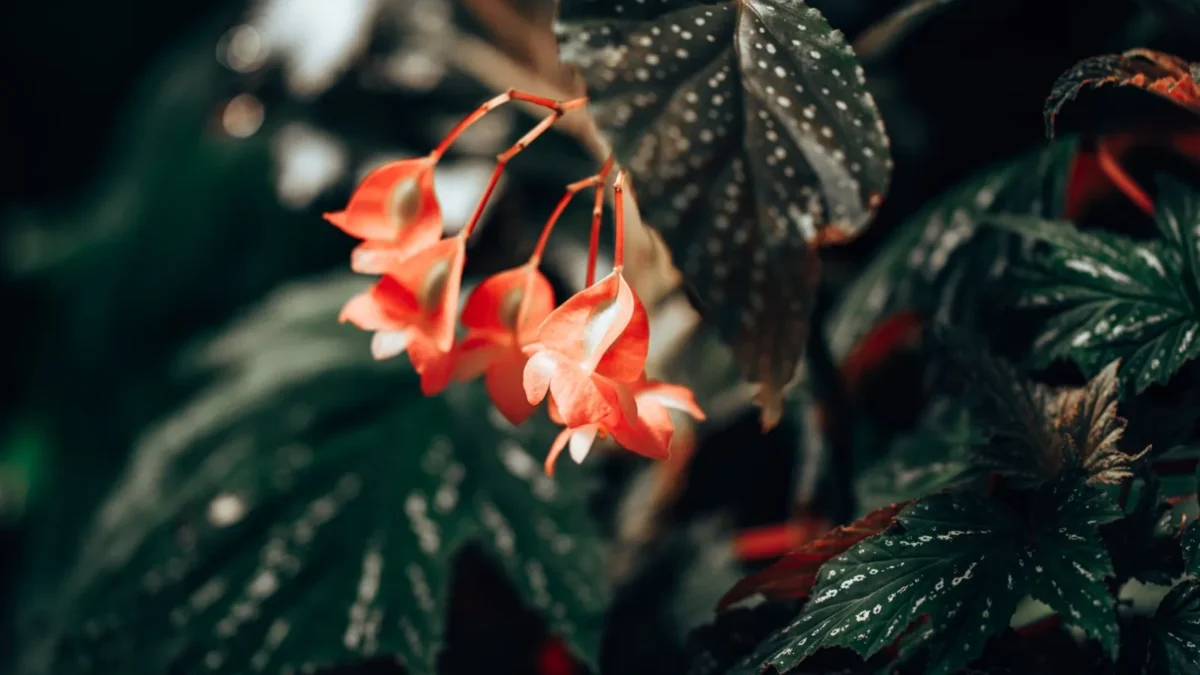
Quick answer: Your begonia maculata is dropping leaves most likely due to overwatering, low humidity, or a sudden change in environment like cold drafts or moving it to a new spot. The good news is that once you fix the cause, new growth will return.
| Botanical name | Begonia maculata |
|---|---|
| Light | bright indirect light; avoid direct sunlight which can scorch leaves |
| Watering | water when top few centimetres of compost feels dry, typically once a week |
| Humidity | high humidity; ideally 50% or above; use humidifier or mist regularly |
| Temperature | 18°C to 24°C (64°F to 75°F); protect from cold drafts |
| Soil | light, well-drained peat-free potting compost; add perlite or orchid bark |
| Feeding | balanced liquid fertilizer every 4-6 weeks during growing season (April-September) |
| Size | 24-36 inches tall; spreads 12-18 inches wide |
| Difficulty | moderate |
What’s causing your begonia maculata dropping leaves
| What you see | Likely cause | What to do |
|---|---|---|
| Yellowing leaves, soft stems | Overwatering | Let soil dry out completely; check drainage holes |
| Leaves falling rapidly after moving plant | Sudden environmental change | Move back or allow time to adjust; avoid drafts |
| Lower leaves dropping, plant otherwise healthy | Insufficient light or chronic overwatering | Move to brighter location or reduce watering frequency |
| Leaves dropping, air feels dry to touch | Low humidity | Increase humidity using humidifier, misting, or pebble tray |
| Leaves dropping after temperature drop | Cold stress | Move away from drafts; keep above 64°F |
| Sticky residue, webbing on leaves | Pest infestation | Rinse plant thoroughly under shower |
Overwatering
Begonia maculata is sensitive to overwatering and the stems can soften if the root ball stays wet for too long. Overwatering causes most begonia leaf drop. If you see yellowing leaves, the most likely cause is overwatering; check the soil, and if it feels soggy, let it dry out completely before watering again.
The right approach: water when the top few centimetres of compost feels dry to the touch, typically once a week. Ensure good drainage by using pots with drainage holes. Begonias prefer a consistent moisture level but are prone to root rot if overwatered.
Sudden environmental shock
The most common reason for leaf drop is a sudden change in environment, such as a temperature drop or a move to a new location. Begonia maculata is sensitive to abrupt environmental change; a cold draft from a window or AC vent, or moving the plant to a new spot, can trigger rapid leaf drop within a day or two.
To prevent this: keep the plant away from cold drafts, such as those from air conditioning vents or drafty windows in the winter. When you do move your plant, give it a week or two to adjust before worrying. Begonia maculata prefers temperatures between 18°C to 24°C. If the temperature drops below 60°F, the plant may begin to wilt or drop leaves.
Low humidity
Most often leaf drop is caused by humidity that is not high enough. Polka Dot Begonia prefers relatively high humidity, ideally 50 percent or above. If your air is dry, especially during winter, you’ll notice leaves dropping more quickly than usual.
Fix it with one or more of these methods: use a humidifier, mist the leaves regularly, or place the pot on a tray filled with pebbles and water to increase humidity around the plant.
Insufficient light
Lower leaf drop signals chronic overwatering or insufficient light. Begonia maculata thrives in bright, indirect light. If your plant is in a dim corner, gradually move it to a brighter spot—ideally an east or west-facing window covered by a sheer curtain. Avoid direct sunlight, which can scorch its leaves.
Pest infestation
Mealybugs are the most common pest on Begonia maculata; dry indoor air invites spider mites, and Begonia maculata’s large, succulent-feeling leaves are a prime target. Look for sticky residue, tiny webbing, or white cotton-like clusters on leaves and stems.
Treat it quickly: rinse the plant under a strong shower, hitting the undersides of every leaf. Repeat every few days until pests are gone. Pests thrive in dry air, so boosting humidity will also help prevent them.
FAQ
Why is my begonia maculata dropping new leaves?
Begonia maculata is sensitive to abrupt environmental change; a cold draft from a window or AC vent, or moving the plant to a new spot, can trigger rapid leaf drop within a day or two. Check for drafts and sudden temperature shifts first, then assess watering and humidity.
How do I prevent leaf drop in the future?
Keep conditions consistent: maintain humidity ideally 50 percent or above, water only when the top compost feels dry, provide bright indirect light, and keep the plant away from cold drafts and heating vents. Stability is key to a happy begonia.
Read the full guide: Begonia Maculata Care: The Complete Guide
More about Begonia Maculata
The same problem in other plants
- Why Are My Echeveria Leaves Falling Off?
- Why Is My Elephant Bush Dropping Leaves?
- Why Are My String of Turtles Leaves Falling Off?
- Why Is My Ti Plant Losing Leaves?
Sources
- Care tips for low-light tolerant houseplants at the RHS Urban Show 2024 / RHS
- Begonia Maculata Care Indoor: A Simple Success Guide
- Common Polka Dot Begonia Problems
Photo: Egor Komarov / Pexels, Pexels