Boston Fern Nephrolepis exaltata
Boston Fern Care: The Complete Growing Guide
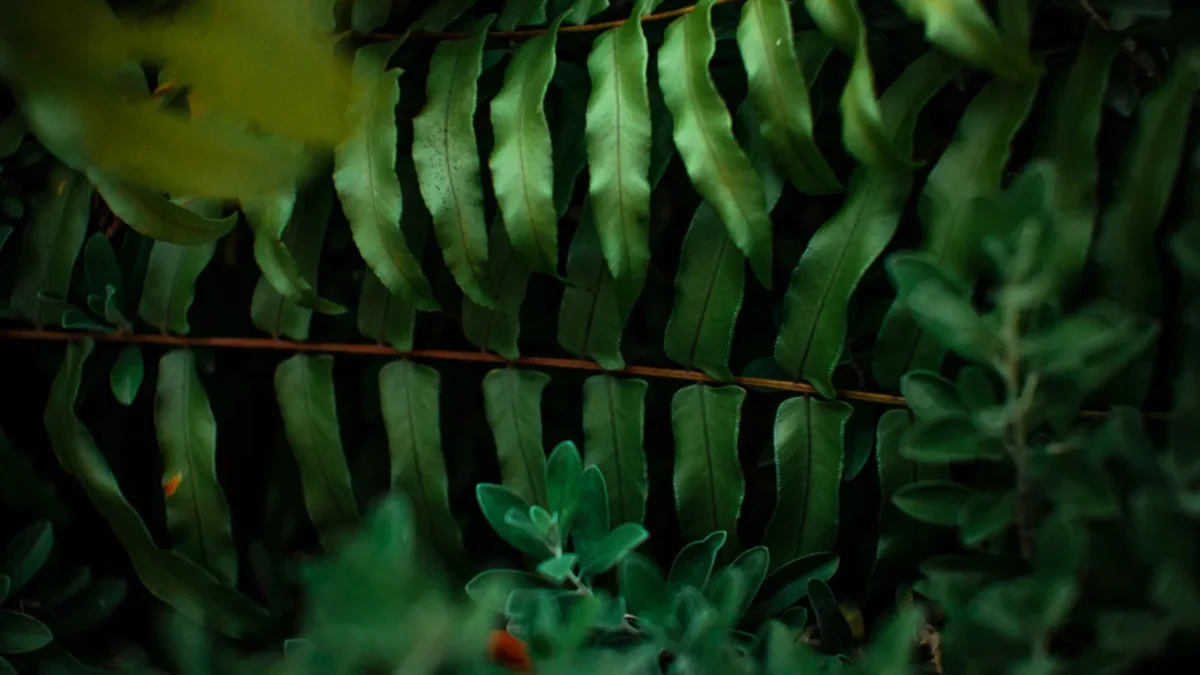
Boston fern care starts with understanding three essentials: bright indirect light, consistent moisture, and humidity around 50–60%. This tropical fern thrives indoors when you replicate its natural rainforest conditions, making it a rewarding houseplant even for beginners willing to learn its specific needs. This guide covers everything you need to keep your fern lush and healthy.
| Botanical name | Nephrolepis exaltata |
|---|---|
| Light | Bright indirect light; no direct sun |
| Watering | Keep soil consistently moist; water when top 1-2 inches feel dry |
| Humidity | 50-60% optimal; mist regularly in dry weather |
| Temperature | 68-78°F daytime; above 55°F at night |
| Soil | Peat moss, perlite, and loamy soil mix; well-draining with moisture retention |
| Feeding | Half-strength balanced liquid fertilizer monthly during growing season |
| Size | 2-3 feet tall and wide |
| Difficulty | moderate |
| Cats | ✓ non-toxic |
| Dogs | ✓ non-toxic |
Key points
* Keep soil consistently moist but not waterlogged; water when the top 1–2 inches feel dry
* Maintain humidity of 50–60% through misting and pebble trays; low humidity causes brown frond tips
* Grow in bright indirect light with no direct sun; place near a filtered window
* Use well-draining potting mix with peat moss, perlite, and loamy soil
* Feed with half-strength balanced fertilizer monthly during growing season only
* Boston fern is non-toxic to both cats and dogs
Light Requirements for Boston Ferns
Boston ferns need bright indirect light to thrive. A spot near a window with filtered or dappled sunlight is perfect for this tropical houseplant. Avoid direct sun, which will scorch the delicate fronds, but don’t place your fern in a corner away from windows either—this plant cannot handle prolonged low-light conditions and needs at least a few hours of bright, indirect light each day.
East-facing or north-facing windows work well in most homes. If natural light is limited, you can supplement with an artificial grow light positioned 12 inches above the plant.
Watering Your Boston Fern: Frequency and Best Practices
Consistent moisture is the key to Boston fern care. Water when the top 1–2 inches of soil feel slightly dry to the touch. This usually means watering 2–3 times per week, though the exact frequency depends on your home’s temperature, humidity, and the season.
During warmer months like spring and summer, you may need to water once every 2–3 days to keep the soil from drying out. In fall and winter, weekly watering often suffices, though you should still check the soil regularly. Never allow the soil to dry out completely—Boston ferns should never fully dry.
Water until it drains through the holes at the bottom of the pot, then empty any excess water from the saucer to prevent root rot. Use soft water if possible, as hard water can cause brown, curling leaves.
Signs of Watering Problems
Underwatering shows as crispy brown fronds, soil pulling away from the pot edges, and rapid leaf loss. If the soil dries out completely, the plant will sacrifice older fronds first, leading to brown leaves and leaf drop.
Overwatering causes yellow leaves, soggy soil, and a musty smell. If soil stays wet too long, root rot develops—damaged roots turn black or brown and smell unpleasant—and the plant cannot support healthy growth.
Humidity and Temperature Needs
The optimal humidity for your Boston fern is 50–60%. Mist the foliage regularly when the weather is dry to evenly moisturize the fronds. Without sufficient humidity, the fern develops brown tips on its leaves.
You can raise humidity levels in several practical ways. Use a pebble tray—a larger tray under the pot holding about an inch of small, clean pebbles with water added to just below the top. Grouping humidity-loving plants together also helps, as they release moisture that benefits each other. A room humidifier near the pot is another effective option.
Temperature stability matters as much as humidity. Boston ferns thrive in a daytime temperature range of 68°F–78°F, with nighttime temperatures above 55°F. The plant prefers stable conditions; cold drafts or proximity to heat sources can shock the plant and cause leaf drop.
Soil and Repotting Guide
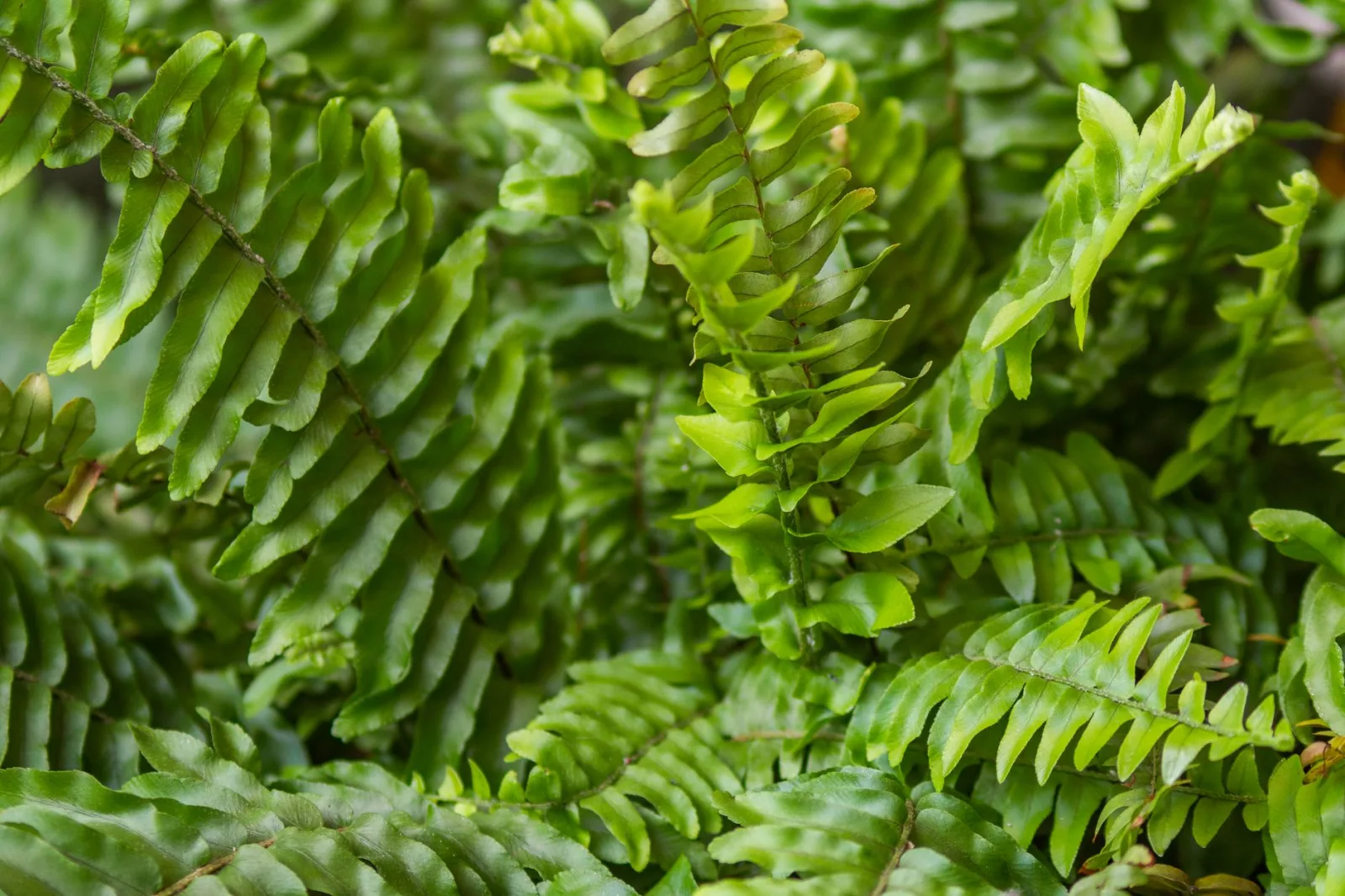
Boston ferns prefer a rich, well-draining potting mix with high organic content. A mixture of peat moss, perlite, and loamy soil works well, providing both moisture retention and adequate drainage. This balance is critical—compacted soil leads to poor oxygen flow, waterlogging, and root rot.
Repot your fern every 1–2 years in spring, or sooner if roots are visible at the soil surface or through drainage holes. When repotting, use a container only slightly larger than the current pot and fill it with fresh potting mix. If your fern’s roots have outgrown its pot, it may start dropping leaves.
If you’ve been using chemical fertilizers, salt buildup may have accumulated in the soil, interfering with root absorption of water and nutrients. In this case, repot the plant and use fresh soil.
Feeding and Fertilizer Schedule
During the growing season, apply a half-strength balanced liquid fertilizer monthly. This means diluting a balanced liquid fertilizer for indoor plants and feeding the plant after you’ve watered it. Alternatively, fertilize twice a year during spring and summer using the same half-strength approach.
Do not fertilize during winter when growth has slowed and the plant is dormant. Over-fertilizing causes salt buildup in the soil, which damages roots and leads to brown fronds and leaf drop.
Pruning and Maintenance
Maintenance for Boston ferns is low overall. If the ends of the fronds become brown or yellow, trim them away—it’s normal for fronds to turn brown as they age, so pruning tidies the plant and exposes younger, greener growth. Older fronds die back naturally and can be cut off at the base.
If your fern becomes severely stressed from drying out and loses most of its fronds, you can cut back all remaining fronds to about 2 inches to encourage regeneration. An established plant can recover surprisingly well once watering is corrected.
Some leaf drop is normal—the odd couple of leaves every week or so is nothing to worry about. However, excessive leaf drop usually signals a watering issue, typically underwatering, or stress from temperature swings or inconsistent care.
Propagating Boston Ferns
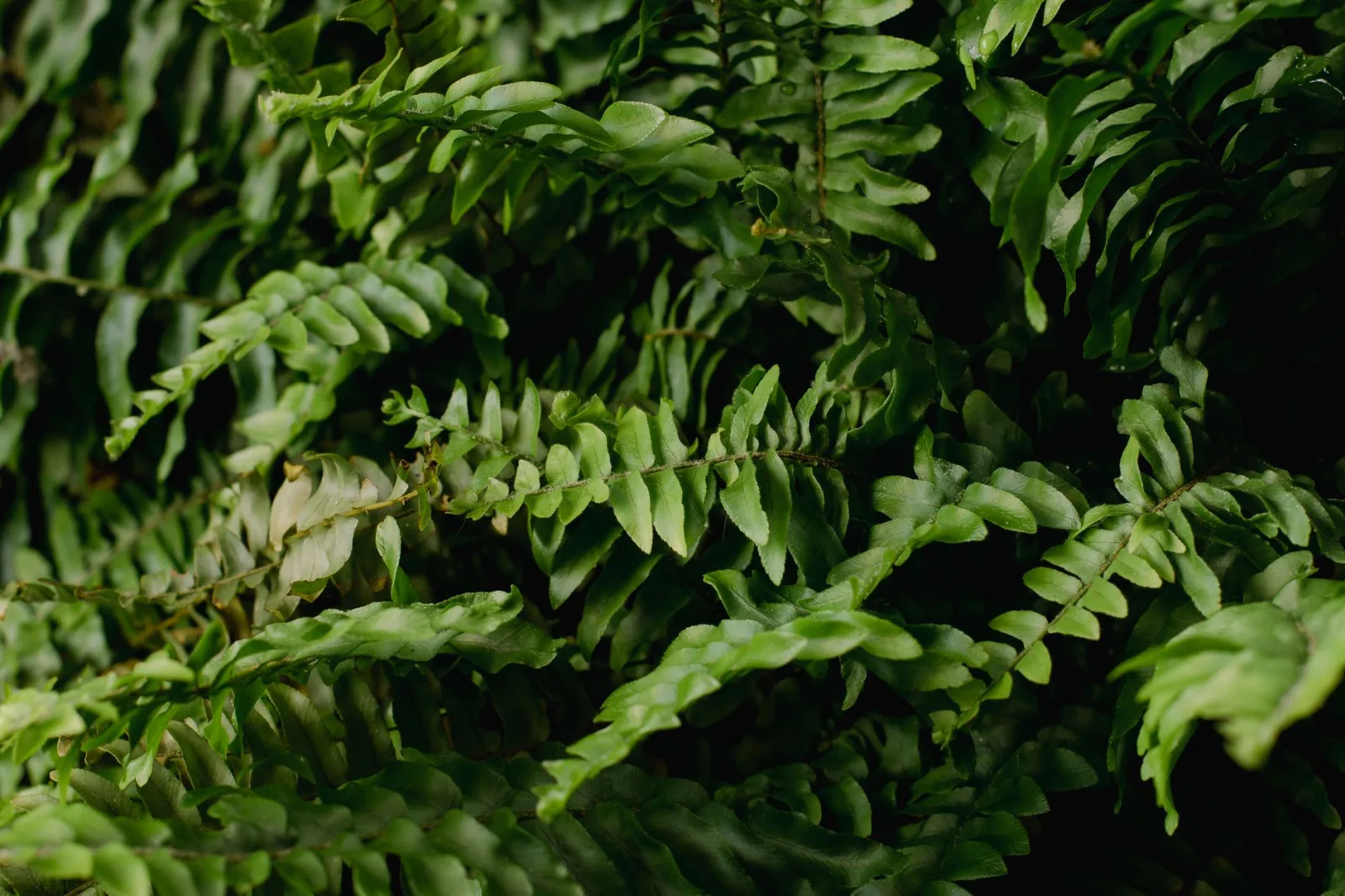
Boston ferns can be propagated through division, spores, or runners, with division being the easiest and most reliable method for home gardeners.
Propagation by Division
The best time to divide Boston ferns is in spring or early summer. Carefully remove the mature plant from its pot and prise the root ball apart into sections, using a sharp knife if needed to cut through congested roots. Ensure each divided section has roots and fronds. Plant the divided sections into individual pots filled with houseplant compost, water well, and grow on. Division has the highest success rate and produces mature plants fastest, with establishment taking 4–8 weeks.
Propagation by Runners
Boston ferns naturally produce runners, also called stolons, that can develop into new plants. Identify healthy runners extending from the parent plant and pin them to moist soil in a separate pot while still attached to the parent. Once roots develop in 4–6 weeks, cut the runner from the parent plant.
Spore Propagation
Spore propagation is more challenging and time-consuming but can produce many new plants. This method requires collecting spores from the undersides of mature fronds and growing them in controlled conditions, making it less practical for most home gardeners.
Common Problems and Solutions
Brown Frond Tips
Brown tipping of the fronds is most likely caused by low humidity and allowing the soil to dry out too much between waterings. In most cases, brown leaves result from dry air or allowing soil to dry out before watering again. Increase humidity by misting regularly, using a pebble tray, or grouping plants together. If the soil is dried out, give your fern a good soak and trim off any brown tips.
Excessive Leaf Drop
If you’re getting more than a few fallen leaves per week, it’s likely a watering issue—namely not enough water. Inconsistent watering stresses the plant, causing leaf shedding, so stick to a regular watering schedule. Cold drafts, heat sources, or proximity to air vents can also shock the plant and trigger leaf drop. Check that roots haven’t outgrown the pot, as bound roots also cause leaf drop. An established plant can recover well once watering is corrected.
Overwatering and Root Rot
Brown fronds with yellow lower leaves indicate overwatering rather than underwatering. Always tip out excess water from saucers to prevent root rot. If roots have turned black or brown and smell unpleasant, the plant is suffering from root rot and cannot support healthy growth. In this case, repot into fresh soil immediately.
Salt Buildup from Fertilizer
If you use chemical fertilizers regularly, insoluble salts accumulate in the soil and interfere with root absorption of water and nutrients. Repot the plant and use fresh soil to resolve this issue.
Is Boston Fern Safe for Pets?
Boston fern is completely non-toxic to cats. The plant contains none of the compounds that cause emergency vet visits—no oxalates, no glycosides, and no insoluble irritants. Your cat can encounter, chew, or even occasionally destroy a Boston fern without toxic effects from the plant itself.
Boston fern is also non-toxic to dogs. The plant contains no known cardiotoxic glycosides, insoluble calcium oxalates, or neurotoxic alkaloids, and poses no risk of vomiting, oral irritation, kidney failure, or dermatitis from ingestion or contact.
That said, while the plant is non-toxic, consuming large quantities of the fronds may cause mechanical upset—dogs or cats eating a large fibrous mouthful may regurgitate it, though the plant itself is not toxic. Similarly, if a cat ingests a significant amount of fronds, it may experience mild vomiting or diarrhea due to the mechanical irritation, not toxicity.
FAQ
How often should I water my Boston fern?
Water when the top 1–2 inches of soil feel slightly dry, which typically means watering 2–3 times per week. During warmer months you may water every 2–3 days, while in winter, weekly watering often suffices.
Why are the tips of my Boston fern turning brown?
Brown tips are usually caused by low humidity or allowing the soil to dry out too much between waterings. Increase humidity through regular misting, use a pebble tray, or group plants together. If the soil has dried out, give it a good soak and trim the brown tips.
Can I grow Boston fern outdoors?
Boston ferns are tropical plants that thrive in warm, humid conditions and can be grown outdoors in sheltered spots in warm climates, though they prefer the controlled environment indoors where you can manage humidity and temperature more easily.
What’s the best way to propagate a Boston fern?
Division is the easiest and most reliable method for home gardeners. Divide in spring or early summer by separating the root ball into sections, ensuring each has roots and fronds, then pot individually. Alternatively, propagate from runners by pinning them to moist soil in a separate pot until roots develop in 4–6 weeks.
How big does a Boston fern grow?
Boston ferns grow to 2 to 3 feet tall with a spread of 2 to 3 feet. Their arching fronds can create an attractive cascading display over time.
What temperature does a Boston fern need?
Boston ferns thrive in a daytime temperature of 68°F–78°F, with nighttime temperatures above 55°F. They prefer stable conditions and should be kept away from cold drafts and heat sources.
More about Boston Fern
Sources
- Comprehensive Boston Fern Care Guide: From Watering to Lighting
- Boston Fern: Care and Growing Guide 🌟 – Healthy Houseplants
- Why is my Boston fern turning brown? 5 common causes and expert remedies
Photo: Nothing Ahead / Pexels, Pexels