Boston Fern Nephrolepis exaltata
How to Propagate Boston Ferns: A Beginner’s Guide
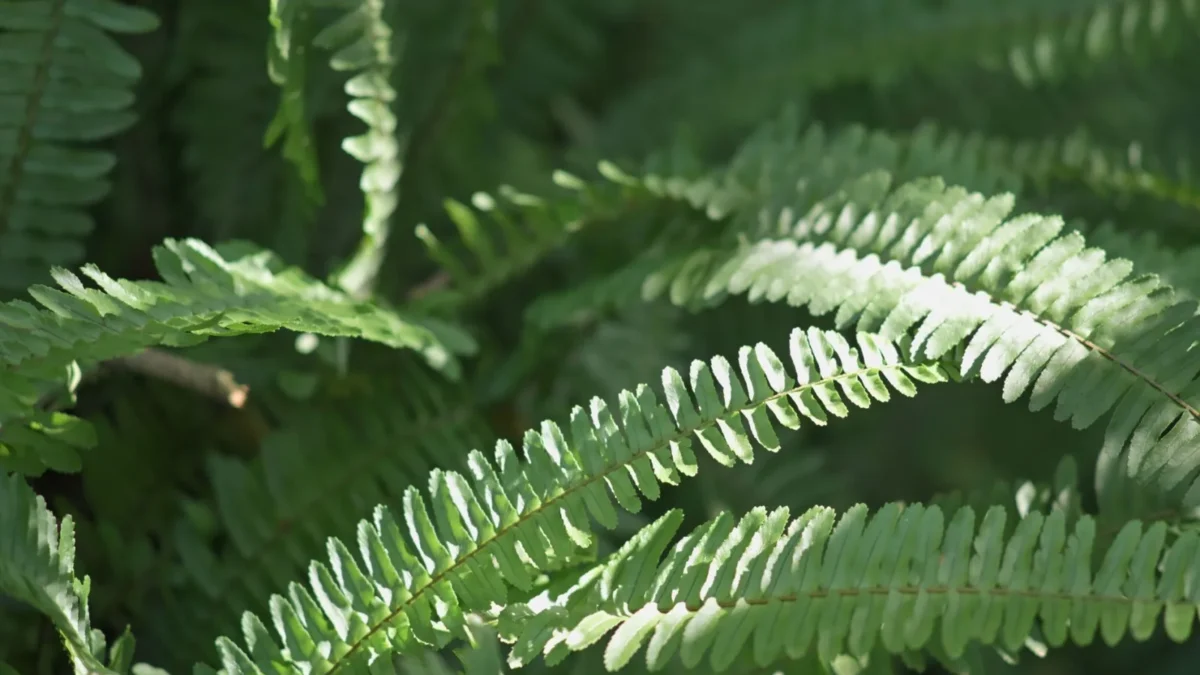
Quick answer: Here’s how: Boston ferns propagate most successfully through division and runners. Division produces mature plants in 4–8 weeks, while runners root in 4–6 weeks. Both methods work reliably for beginners once you follow simple steps.
| Botanical name | Nephrolepis exaltata |
|---|---|
| Light | Bright indirect light; no direct sun |
| Watering | Keep soil consistently moist; water when top 1-2 inches feel dry |
| Humidity | 50-60% optimal; mist regularly in dry weather |
| Temperature | 68-78°F daytime; above 55°F at night |
| Soil | Peat moss, perlite, and loamy soil mix; well-draining with moisture retention |
| Feeding | Half-strength balanced liquid fertilizer monthly during growing season |
| Size | 2-3 feet tall and wide |
| Difficulty | moderate |
| Cats | ✓ non-toxic |
| Dogs | ✓ non-toxic |
How to propagate Boston fern by division
Division is the fastest and most reliable way to propagate Boston fern. The best time is spring or early summer.
- Remove the mature plant from its pot and carefully prise the root ball apart into sections.
- You may need a sharp knife to cut through congested roots.
- Ensure each divided section has roots and fronds attached.
- Plant each section into an individual pot filled with houseplant compost.
- Water well and keep the soil consistently moist.
- Within 4–8 weeks, new growth will establish and the plants will be ready to care for as normal Boston ferns.
How to propagate Boston fern from runners (stolons)
Boston ferns naturally produce runners—long stems that extend from the parent plant. These are one of the easiest propagation methods.
- Identify healthy runners extending from your mature Boston fern.
- Pin the runner to moist soil in a separate pot while keeping it attached to the parent plant.
- Keep the soil moist and wait 4–6 weeks for roots to develop.
- Once rooted, cut the runner from the parent plant.
- The new plant can now be treated as an independent Boston fern.
What to expect and common mistakes
Division and runner propagation both produce quick results because you’re starting with established root systems. The new plants will show fresh fronds within weeks as they settle into their pots.
The most common mistake is letting the soil dry out during propagation. Remember that Boston ferns should never fully dry— water when the surface just begins to feel dry rather than waiting for the top inch to dry out completely. Keep newly propagated plants in bright indirect light and maintain humidity of 50–60% by misting regularly.
Overwatering is also risky. Always tip out excess water from saucers or pots to prevent root rot. If you notice yellow leaves and soggy soil, you’ve watered too much; scale back immediately.
Can you propagate Boston fern from cuttings?
While spore propagation exists, it’s more challenging and time-consuming for home gardeners. Division and runners are the practical methods that deliver reliable results.
Is Boston fern safe around pets?
Yes—Boston fern is non-toxic to both cats and dogs, so it’s safe to keep in homes with pets.
Read the full guide: Boston Fern Care: The Complete Growing Guide
More about Boston Fern
The same problem in other plants
- How to Propagate Chinese Evergreen: Water and Soil Methods
- How to Propagate String of Pearls: A Step-by-Step Guide
- How to Propagate Bird of Paradise: Step-by-Step Methods
- How to Propagate Money Tree: A Step-by-Step Guide
Sources
- How to Grow and Care for Boston Ferns
- Boston Fern: Care and Growing Guide 🌟 – Healthy Houseplants
- Nephrolepis exaltata 'Tiger Fern' – Plant Finder
Photo: Sóc Năng Động / Pexels, Pexels