Boston Fern Nephrolepis exaltata
Why Is My Boston Fern Losing Leaves
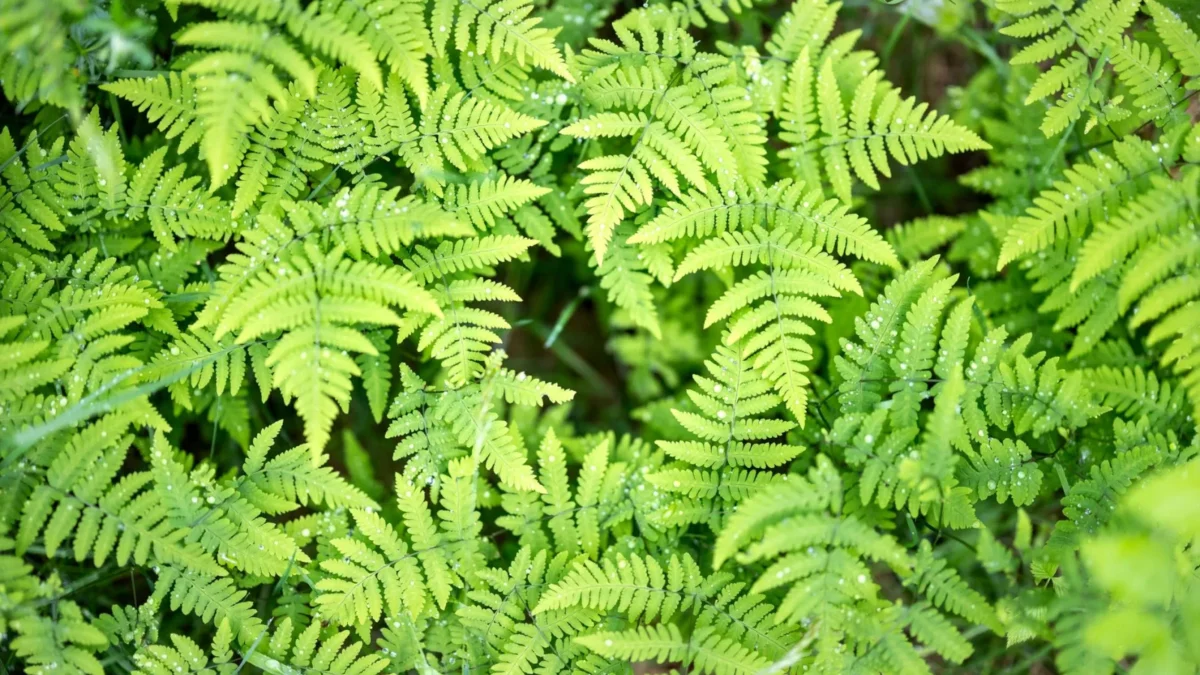
Quick answer: Boston fern is losing leaves most likely because the soil is drying out too much between waterings. Less commonly, overwatering, low humidity, temperature shock, or root problems cause leaf drop. Once you identify the cause and correct it, your fern will recover—even dramatic leaf loss can bounce back once conditions improve.
| Botanical name | Nephrolepis exaltata |
|---|---|
| Light | Bright indirect light; no direct sun |
| Watering | Keep soil consistently moist; water when top 1-2 inches feel dry |
| Humidity | 50-60% optimal; mist regularly in dry weather |
| Temperature | 68-78°F daytime; above 55°F at night |
| Soil | Peat moss, perlite, and loamy soil mix; well-draining with moisture retention |
| Feeding | Half-strength balanced liquid fertilizer monthly during growing season |
| Size | 2-3 feet tall and wide |
| Difficulty | moderate |
| Cats | ✓ non-toxic |
| Dogs | ✓ non-toxic |
What causes Boston fern leaves to fall
| What you see | Likely cause | What to do |
|---|---|---|
| Rapid leaf loss, crispy brown fronds, soil pulling away from pot edges | Underwatering—soil drying out too much | Water more frequently; check soil daily and water when top 1–2 inches feel dry |
| Yellow lower leaves, soggy soil, musty smell | Overwatering or poor drainage | Let soil dry slightly between waterings; ensure pots have drainage holes; tip out excess water from saucers |
| Gradual leaf drop, no other obvious signs | Low humidity (especially in winter) | Mist regularly or place on a pebble tray; aim for 50–60% humidity |
| Leaf drop after moving plant or near drafts | Cold drafts or temperature swings | Keep plant away from cold windows, heat vents, and AC; maintain 68–78°F daytime, above 55°F at night |
| Leaf drop with stunted growth | Roots outgrown pot or salt buildup in soil | Repot into a slightly larger container with fresh soil |
How to tell underwatering from overwatering
Underwatering is the most common cause. The signs are unmistakable: crispy, brown-tipped fronds, soil shrinking away from the pot edges, and rapid leaf loss. The soil feels bone-dry when you touch it.
Overwatering shows different symptoms: yellow leaves (especially lower ones), soggy soil that stays wet for days, and a mouldy or musty smell. If you see brown fronds with yellow lower leaves, you’ve likely overwatered.
Boston ferns need consistently moist soil but never soggy. Water when the top 1–2 inches of soil feel slightly dry to the touch. During warm months this might mean watering every 2–3 days; in winter, once a week usually suffices. Never let the soil dry out completely—ferns have low tolerance for drought.
Humidity and temperature issues
Low humidity causes brown tips and contributes to leaf drop, especially in winter. Your Boston fern thrives at 50–60% humidity. To raise humidity, set the pot on a pebble tray filled with water just below the pebble surface, or mist the fronds regularly when the air is dry. Grouping ferns together also helps.
Temperature shock triggers leaf drop fast. Avoid placing your fern near cold drafts, heating vents, or air conditioning units. Keep it in a spot that stays between 68–78°F during the day and above 55°F at night.
How to restore a fern after severe leaf drop
If your fern has dropped most of its fronds, don’t panic. Cut all remaining fronds back to about 2 inches from the soil to encourage regeneration. Correct the watering schedule immediately—most likely you need to water more often. Increase humidity with regular misting or a pebble tray. An established plant recovers surprisingly well once conditions stabilize.
FAQ
Is some leaf drop normal?
Yes—a frond or two per week is normal as older growth dies back naturally. If you’re losing far more than that, it’s a sign of stress, usually from underwatering or humidity too low.
Can I trim off brown frond tips?
Absolutely. Brown or yellow tips can be trimmed away; this also tidies the plant and exposes younger, greener growth. It’s normal for fronds to brown as they age.
Will my Boston fern grow back after heavy leaf loss?
Yes. Once you fix the underlying problem—typically watering—the plant will produce new fronds. Cut back severely damaged fronds to encourage fresh growth.
Read the full guide: Boston Fern Care: The Complete Growing Guide
More about Boston Fern
The same problem in other plants
- Why Is My Croton Dropping Leaves? Complete Troubleshooting Guide
- Why Is My Christmas Cactus Dropping Leaves?
- Why Is My String of Pearls Dropping Leaves?
- Why Is My Chinese Money Plant Dropping Leaves?
Sources
- Why does my Boston fern look sparse and have brown leaf tips? – NYBG Mertz Library Reference
- Boston Fern (Nephrolepis exaltata 'Bostoniensis'): Care Guide and Problem Solving
- Nephrolepis exaltata – Plant Finder
Photo: Marek Piwnicki / Pexels, Pexels