Chinese Money Plant Pilea peperomioides
Chinese Money Plant Care: The Complete Guide
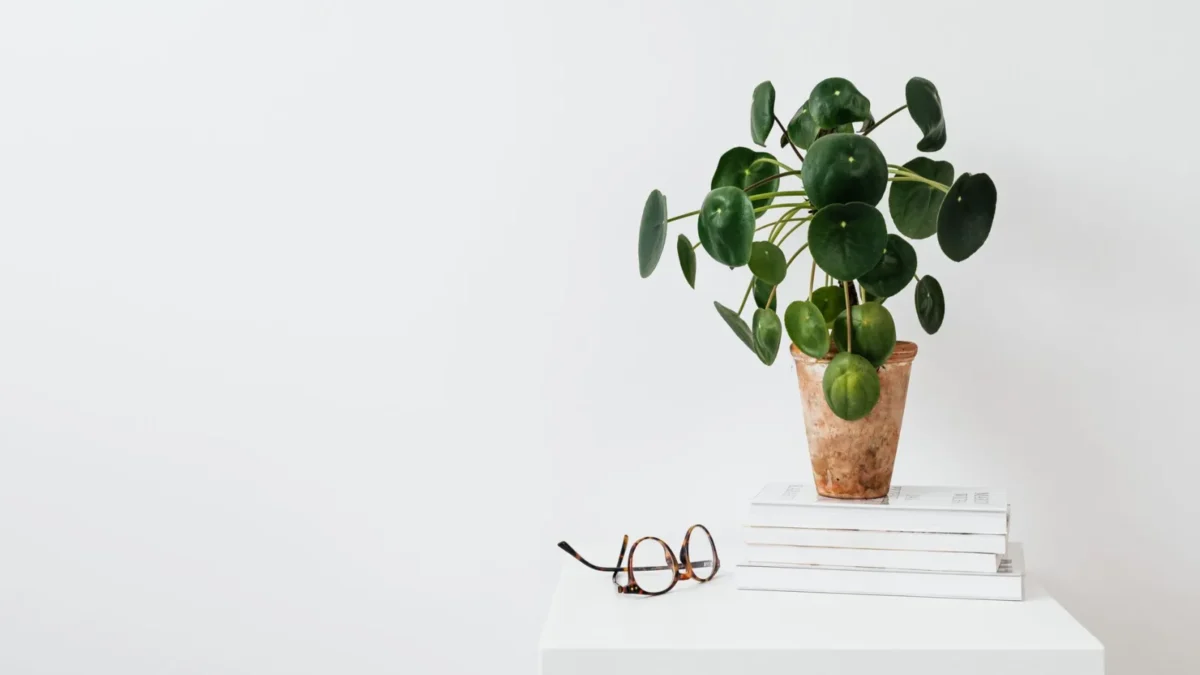
Chinese money plant care is straightforward once you understand what this charming plant needs. The Chinese money plant (Pilea peperomioides) is an easy-to-grow evergreen that thrives indoors with bright, indirect light and careful watering. This guide covers everything you need to keep your plant healthy and thriving in your home.
Chinese Money Plant at a glance
| Botanical name | Pilea peperomioides |
|---|---|
| Light | Bright indirect light; near north-, east-, or west-facing windows; set back from south-facing windows |
| Watering | Water when top 1-2 inches of soil dry out; drain excess water after 20 minutes |
| Humidity | Normal home humidity ideal; no misting necessary; appreciates light misting occasionally |
| Temperature | 16-24°C ideal; keep above 10°C; avoid cold draughts and radiators |
| Soil | Well-drained potting soil |
| Feeding | Balanced fertilizer (10-10-10) during growing season; three feedings spring to mid-late summer |
| Size | Upright evergreen to 30cm or more; fleshy rounded leaves to 10cm |
| Difficulty | easy |
Key points
– Place your plant near north-, east-, or west-facing windows; keep it set back from south-facing windows
– Water when the top 1-2 inches of soil dry out, then drain excess water after 20 minutes
– Maintain temperatures between 16-24°C and keep the plant above 10°C
– Use a balanced 10-10-10 fertilizer three times during spring through mid-late summer
– Propagate easily using stem cuttings or by dividing basal offsets in spring
– Watch for overwatering (the most common problem) and adjust humidity only if leaves curl inward
Light Requirements for Chinese Money Plant
Your Pilea needs bright but indirect light to grow well. Set it near a north-, east-, or west-facing window where it receives steady bright light without direct sun exposure. If your room has a south-facing window, position the plant further back into the room, especially during summer months when the sun is stronger.
Proper light encourages healthy foliage and prevents the weak, leggy growth that happens in dim corners. Insufficient light can also lead to overwatering issues, since evaporation slows in low-light conditions and the soil stays wet longer.
Watering Your Chinese Money Plant
Correct watering is essential for healthy Chinese money plant care indoors. Water once the top few centimeters of compost dry out. More specifically, the soil is ready for water when it is dry one inch down from the surface—you can test this with your fingertip or a moisture meter.
When you water, moisten the soil completely until water drains from the bottom of the pot. Then remove any excess water from the saucer or drip tray after about 20 minutes. This prevents waterlogging and root rot.
Never water when the top layer of soil is still moist; wait until the top one or two inches dry out completely before watering again. Overwatering is the most common mistake with this species and leads to far more problems than underwatering.
Humidity and Temperature
Humidity for Chinese Money Plant
You don’t need to create special humidity conditions for your Pilea. Normal home humidity is ideal, and there is no need to mist as it copes happily with ordinary indoor air. That said, pileas do appreciate a light misting every now and then, so feel free to mist occasionally if you enjoy doing so.
Temperature
A steady range between 16 and 24 degrees Celsius is perfect for this plant. Avoid cold draughts in winter and keep the plant away from radiators, which can dry the soil too rapidly. Always keep your plant above 10°C (50°F). Sudden temperature changes can stress the plant, so avoid moving it outside in summer or winter, and keep it away from air conditioning units.
Soil and Repotting
Your Chinese money plant requires well-drained soil. Use a quality potting mix designed for houseplants—this ensures water moves through freely and prevents the soggy conditions that cause root rot.
Repot your Pilea when it becomes root-bound, typically every 12-18 months in spring. Choose a pot only 1-2 inches larger in diameter than the current one. The plant grows to 30cm or more as an upright evergreen with fleshy, rounded leaves up to 10cm long, so it won’t need massive containers.
Feeding and Fertilizer
During the growing season, feed your plant with a balanced fertilizer. Look for a balanced plant food with an N-P-K analysis like 10-10-10, applied only while the plant is actively growing. Three feedings during the growing season, starting in spring and ending in mid to late summer, is usually sufficient.
Do not fertilize in autumn or winter when growth slows. Overfeeding can burn the roots and damage the plant, so stick to the recommended dose on your fertilizer’s label.
Pruning and Maintenance
The Chinese money plant needs minimal pruning. Remove any dead or yellowing leaves at their base to keep the plant looking neat and to redirect energy to healthy growth. Pinching back the top of young stems encourages bushier, more compact growth if you prefer a fuller shape.
Wipe the distinctive round leaves occasionally with a soft, damp cloth to remove dust and help the plant photosynthesize more efficiently. This simple maintenance also makes the plant look its best.
Propagating Chinese Money Plant
Propagating your Pilea is easy and rewarding. There are two main methods:
Stem Cuttings
The most effective propagation method is stem cutting propagation in water or moist potting mix, initiated during active spring or early summer growth. Avoid leaf-only cuttings for this species—they rarely root and almost never produce viable plants.
The cutting must take place at the stem and include stem tissue for successful propagation. Select healthy stems and cut just below a leaf node.
Propagating in water:
Fill a clean glass with room-temperature filtered or distilled water, and submerge only the bottom 1 inch of the stem—no leaves underwater. Change water every 3–4 days. It can take 2-5 weeks for roots to start forming on a pilea stem cutting rooting in water.
Once roots are 1–2 inches long, transfer to well-draining soil for continued growth. Keep in bright, indirect light and water lightly until established.
Division of Offsets
Division of offsets (pups) at the base is equally effective and fastest. Select pups that are at least 2 inches tall with visible leaves and stem nodes. Clip them just below a node and place in clean water until roots develop, typically 2–4 weeks, then transfer to soil.
The best period to take cuttings is in spring, when the plant is actively growing and rooting success is highest.
Common Problems and Solutions
Curling Leaves
If leaves are curling inward and creating a cup shape, two main causes are likely. Lack of moisture may be due to underwatering or lack of humidity. Make sure your Pilea is well-watered and in humidity above 40%, and check the light levels and move it out of the path of direct sun. High light levels can also lead to leaf curl, causing the leaves to curl to protect themselves from burning.
Leaves curling downwards are usually a sign of overwatering, with the leaves becoming limp and unable to keep their structure as the roots begin to rot. Reduce watering frequency and ensure the pot has excellent drainage.
Pest Damage
Spider mites, mealybugs, aphids, and thrips feed on the plant’s sap and cause curling, stippling, and yellowing. Inspect closely—especially the leaf undersides and the nooks where leaves meet the stem—for fine webbing, small dots, or silvery streaks. Treat with insecticidal soap or neem oil if pests appear.
Falling Leaves
Leaf drop is often caused by watering problems. Overwatering can cause leaf drop; if you leave your Chinese money plant in a pot with not enough drainage and the soil becomes too soggy, it will cause root rot. Before leaves fall, you’ll notice yellowing. One of the major reasons why your Chinese plant leaves are falling off is because of underwatering; once the soil dries out, the leaves of your plant will start to droop and then fall, affecting the older leaves first.
Make sure the pot has good drainage to prevent root rot. Water only when the top 1-2 inches of soil are dry. Pests such as spider mites and mealybugs can also cause leaf drop, as they suck the sap from the leaves, making them dehydrated. Inspect regularly and treat pest infestations promptly.
FAQ
Is Chinese money plant toxic to pets?
The Chinese money plant is classified as 100% non-toxic by the ASPCA. It contains no cardiotoxins, saponins, or insoluble oxalates. Swallowing excessive raw leaf fibers might cause self-limiting stomach upset, and overconsumption of any thick plant tissue might cause minor mechanical digestive upset, but this does not require veterinary care. Your pets can be around this plant safely.
How often should I water my Chinese money plant?
Water when the top 1-2 inches of soil dry out, which typically means once every 7-14 days depending on season, pot size, and your home’s temperature and humidity. Check the soil regularly rather than following a fixed schedule.
Can I grow Chinese money plant in low light?
While the plant survives in lower light, it grows best in bright, indirect light. Low light slows growth and can lead to overwatering problems, since evaporation decreases and soil stays wet longer.
How do I make my Chinese money plant bushier?
Pinch back the top of young stems to encourage branching and a fuller shape. Regular pruning of dead or yellowing leaves also helps redirect the plant’s energy into new growth.
When is the best time to propagate Chinese money plant?
The best period to take cuttings is in spring, when the plant is actively growing and has the energy to produce roots quickly.
More about Chinese Money Plant
Sources
- 11 Common Problems With Chinese Money Plants
- Is Pilea Toxic to Dogs & Cats? ✅ Non-Toxic
- Why Are My Chinese Money Plant Leaves Falling Off? – Better Houseplants
Photo: https://kaboompics.com/ / Pexels, Pexels