Chinese Money Plant Pilea peperomioides
Why Are My Chinese Money Plant Leaves Curling
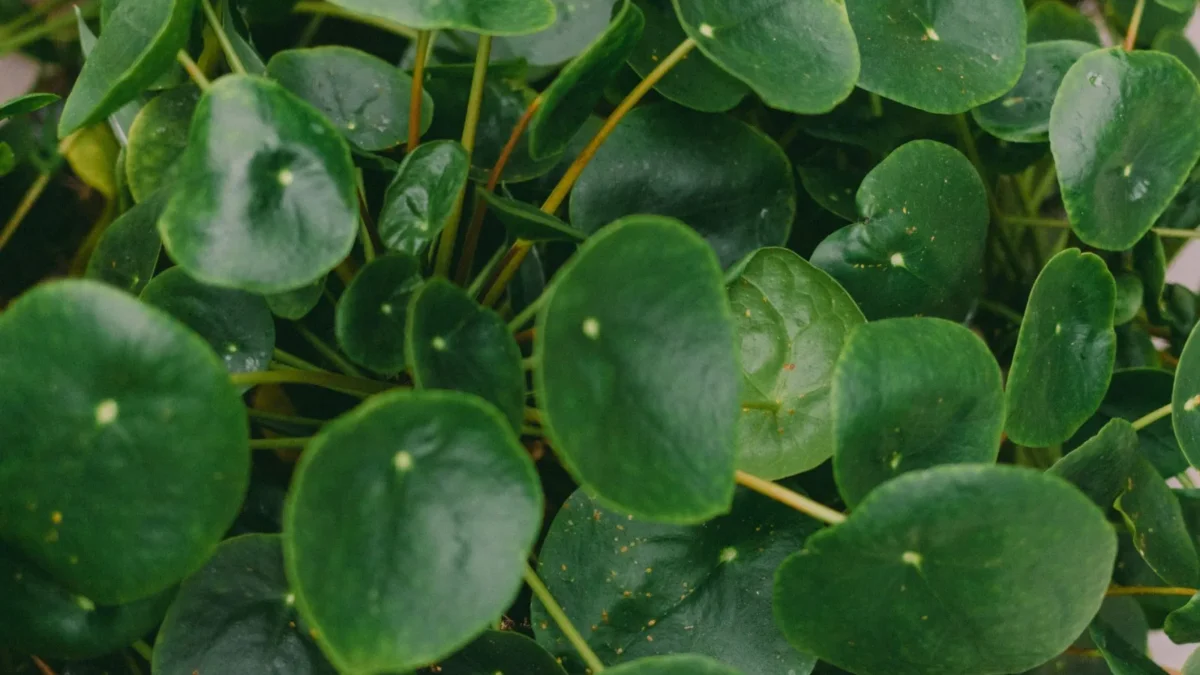
Quick answer: Chinese money plant leaves curl inward due to dry air or underwatering, or they curl downward when overwatered. High light, temperature swings, and pests also cause curling. The fix depends on which problem you’re facing.
Chinese Money Plant at a glance
| Botanical name | Pilea peperomioides |
|---|---|
| Light | Bright indirect light; near north-, east-, or west-facing windows; set back from south-facing windows |
| Watering | Water when top 1-2 inches of soil dry out; drain excess water after 20 minutes |
| Humidity | Normal home humidity ideal; no misting necessary; appreciates light misting occasionally |
| Temperature | 16-24°C ideal; keep above 10°C; avoid cold draughts and radiators |
| Soil | Well-drained potting soil |
| Feeding | Balanced fertilizer (10-10-10) during growing season; three feedings spring to mid-late summer |
| Size | Upright evergreen to 30cm or more; fleshy rounded leaves to 10cm |
| Difficulty | easy |
| What you see | Likely cause | What to do |
|---|---|---|
| Leaves curling inward, cup-shaped | Underwatering or low humidity | Water thoroughly; check humidity is above 40%; move away from direct sun |
| Leaves curling downward, limp and soft | Overwatering | Let soil dry out; water only when top 1–2 inches are dry; ensure good drainage |
| Leaves curled with direct sun exposure | Excessive light | Move plant back from south-facing window or away from direct rays |
| Curling plus stippling, fine webbing, or yellowing | Spider mites, mealybugs, or other pests | Inspect leaf undersides and stem joints closely for signs of infestation |
| Curling after moving or temperature change | Temperature stress | Keep plant between 16–24°C; avoid cold draughts and radiators |
Underwatering and low humidity
If your Chinese money plant’s leaves are curling inward and creating a cup shape, lack of moisture is what to look for. This may be due to underwatering or insufficient humidity. Make sure your Pilea is well-watered and in humidity above 40%, and check the light levels and move them out of the path of direct sun.
Water when the top one to two inches of soil dry out. When you do water, moisten the soil completely until water comes out of the bottom of the pot, then drain excess water out of the saucer after around 20 minutes.
While normal home humidity is ideal and there is no need to mist, the plant does appreciate light misting occasionally.
Overwatering and root rot
Leaves curling downwards are usually a sign of overwatering, with the leaves becoming limp and unable to keep their structure as the roots begin to rot. This is the most common problem with Chinese money plants. Never water when the top layer of soil is still moist. The key is waiting until the top one to two inches dry out completely before watering again.
To prevent this: use well-drained potting soil and always ensure your pot has drainage holes. After watering, drain the excess water from the saucer within 20 minutes.
Excessive light and temperature stress
High light levels can lead to leaf curl, causing the leaves to curl to protect themselves from burning. Keep your Chinese money plant near north-, east-, or west-facing windows; if it’s in a south-facing room, set it back from the window, especially in summer.
Temperature swings also cause curling. A steady range between 16 and 24 degrees Celsius is perfect. Avoid cold draughts in winter and keep the plant a little clear of radiators, which can dry the soil too rapidly. Always keep the plant above 10°C.
Pests
Spider mites, mealybugs, aphids, and thrips feed on the plant’s sap and cause curling, stippling, and yellowing. Inspect closely—especially the leaf undersides and the nooks where leaves meet the stem—for fine webbing, small dots, or silvery streaks. If you spot pests, treat them promptly to prevent further damage.
FAQ
What should I check first if my Chinese money plant leaves are curling under?
Check your watering routine first. Let the top one to two inches of soil dry out between waterings, and ensure water drains from the pot within 20 minutes. Also move the plant away from direct sunlight.
Can low light cause leaf curling?
Low light itself doesn’t directly cause curling, but it can lead to overwatering—when there is low light, evaporation decreases, so the soil stays wet longer. This soggy soil can cause the curling linked to root rot.
Is my Chinese money plant toxic if leaves are falling as well as curling?
No. The plant is 100% non-toxic. Falling leaves are usually due to improper watering or root rot, not toxicity—focus on fixing the watering routine.
Read the full guide: Chinese Money Plant Care: The Complete Guide
More about Chinese Money Plant
The same problem in other plants
- Why Are My Prayer Plant Leaves Curling? Causes and Fixes
- Why Are My Bird of Paradise Leaves Curling?
- Why Are My Money Tree Leaves Curling?
- Why Are My Peperomia Leaves Curling?
Sources
- 11 Common Problems With Chinese Money Plants
- How to grow pilea / RHS Growing Guide
- Pilea peperomioides Care Guide
Photo: Maria Tyutina / Pexels, Pexels