Chinese Money Plant Pilea peperomioides
Is Chinese Money Plant Toxic to Cats and Dogs?
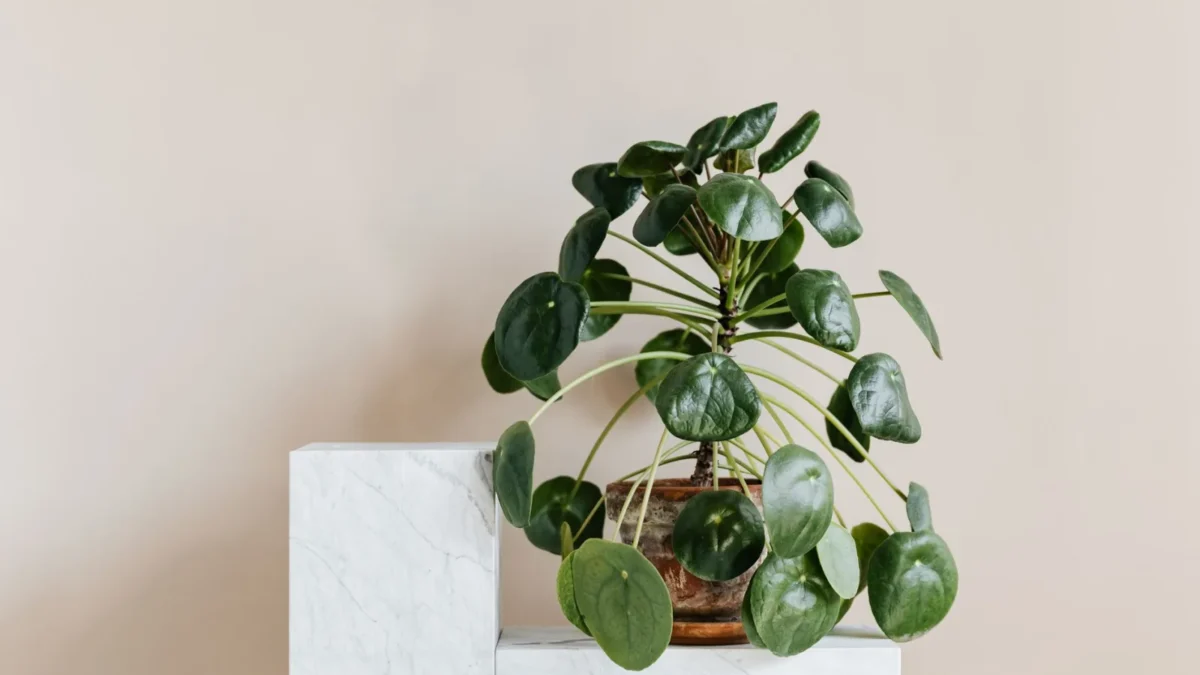
Quick answer: The Chinese Money Plant (Pilea peperomioides) is classified as 100% non-toxic to cats and dogs by the ASPCA. It contains no cardiotoxins, saponins, or insoluble oxalates. You can safely keep this plant in a home with cats, dogs, and other pets without worrying about poisoning.
Chinese Money Plant at a glance
| Botanical name | Pilea peperomioides |
|---|---|
| Light | Bright indirect light; near north-, east-, or west-facing windows; set back from south-facing windows |
| Watering | Water when top 1-2 inches of soil dry out; drain excess water after 20 minutes |
| Humidity | Normal home humidity ideal; no misting necessary; appreciates light misting occasionally |
| Temperature | 16-24°C ideal; keep above 10°C; avoid cold draughts and radiators |
| Soil | Well-drained potting soil |
| Feeding | Balanced fertilizer (10-10-10) during growing season; three feedings spring to mid-late summer |
| Size | Upright evergreen to 30cm or more; fleshy rounded leaves to 10cm |
| Difficulty | easy |
Why Chinese Money Plant is safe for cats and dogs
The Chinese Money Plant is completely free of the toxic compounds that affect pets. This means that even if your cat knocks a leaf off or your dog chews on the stems, there’s no poison risk.
If your pet does eat part of the plant, the worst that might happen is mild digestive upset. Swallowing excessive raw leaf fibers might cause self-limiting stomach upset; overconsumption of any thick plant tissue might cause minor mechanical digestive upset, but this does not require veterinary care. This is similar to what happens if a pet eats too much grass or plant fiber—it’s uncomfortable but passes naturally.
What to do if your pet eats the plant
If you catch your cat or dog eating the Chinese Money Plant, there’s no need to panic. Watch for mild signs like a slight upset stomach or temporary loss of appetite, but these shouldn’t last long. Since the plant is non-toxic, you only need to call your vet if your pet shows signs of serious distress or if you’re concerned about the amount eaten.
To protect your plant and discourage chewing, you can place it on a high shelf or in a room your pets visit less often. The compact size—it grows to around 30cm or more with fleshy rounded leaves to 10cm—makes it easy to position out of reach.
FAQ
Is Chinese Money Plant toxic to rabbits?
The ASPCA classifies the plant as 100% non-toxic. While toxicity data for rabbits specifically isn’t listed in the available facts, the absence of dangerous compounds suggests it should be safe, though you should monitor any small pet closely and contact your vet if concerned.
Is Chinese Money Plant safe for humans and babies?
The plant is non-toxic to humans as well. However, small children and babies should be supervised around any houseplant to prevent choking hazards, as with any non-food item.
Why might my pet still avoid the plant?
Many pets naturally avoid plants that aren’t appealing to them, regardless of toxicity. The texture or taste of the Chinese Money Plant may simply not interest your cat or dog.
Read the full guide: Chinese Money Plant Care: The Complete Guide
More about Chinese Money Plant
The same problem in other plants
- Is Bird of Paradise Toxic to Cats and Dogs?
- Is Boston Fern Toxic to Cats and Dogs?
- Is Dracaena Marginata Toxic to Cats and Dogs?
- Is Peperomia Toxic to Cats and Dogs?
Sources
Photo: https://kaboompics.com/ / Pexels, Pexels