Coffee Plant Coffea arabica
Coffee Plant Care: The Complete Guide
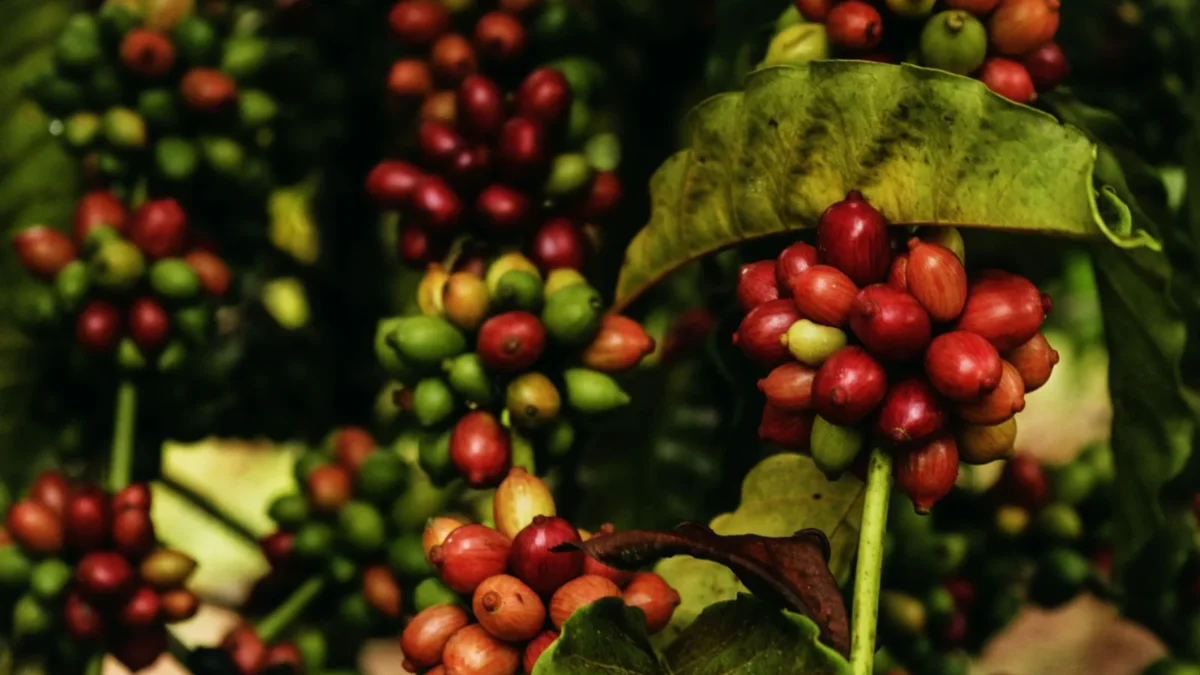
Coffee plant care centres on three non-negotiable conditions: strong indirect light, consistent moisture without waterlogging, and humidity above 50%. Get these right and your Coffea arabica will thrive indoors. Neglect any one and you’ll face brown leaves, drooping stems, or worse. This guide walks you through exactly what your coffee plant needs at each stage, what goes wrong and how to fix it.
| Botanical name | Coffea arabica |
|---|---|
| Light | Strong indirect light; tolerates bright sunny windows; avoid harsh direct sun to prevent leaf scorch |
| Watering | Water when top inch of soil feels dry, usually 1-2 weeks; keep soil consistently moist but not soggy |
| Humidity | Moderate to high humidity; >50% preferred for best appearance |
| Temperature | Daytime 70-80°F, nighttime 60-65°F; avoid temperatures below 55°F to prevent leaf drop |
| Soil | Organically rich, well-drained loam-based potting compost with added organic matter |
| Feeding | Balanced liquid feed every two weeks during growing season; water moderately in winter |
| Size | Indoor: 1-2 m over 5-10 years; grows 15-30 cm per year under good light |
| Difficulty | moderate |
Key points
– Coffee plants need strong indirect light (around 1,000–1,500 foot-candles); bright sunny windows work, but harsh direct sun scorches leaves
– Water when the top inch of soil feels dry—typically every 1–2 weeks, but adjust for season and your home’s conditions
– Humidity above 50% prevents crispy brown leaf tips; lower humidity causes leaves to dry out even if you water correctly
– Keep temperatures between 70–80°F during the day and 60–65°F at night; below 55°F causes leaf drop
– Use organically rich, well-drained loam-based compost with added organic matter
– Coffee plants are toxic to dogs and cats due to caffeine and theobromine content
Understanding Your Coffee Plant
Coffea arabica L. belongs to the Rubiaceae (Madder) family and is an upright tropical evergreen shrub. Indoors, your coffee plant will add 15–30 cm of growth per year under good light, reaching 1–2 metres over 5–10 years. In the wild, specimens reach 5–9 metres, but that’s nearly impossible indoors due to light limits and pot constraints.
This is a moderate-maintenance plant, meaning it’s forgiving enough for beginners but attentive enough to reward careful growers with clusters of fragrant white flowers and red berries. The plant’s natural habit is crucial to understand: coffee is an understory plant in its native environment, receiving dappled sun rather than full exposure. This shapes everything about how you should treat it indoors.
Light Requirements for Coffee Plants
Your coffee plant needs strong indirect light and tolerates bright sunny windows, but harsh direct sun causes rapid leaf scorch. The ideal range is around 1,000–1,500 foot-candles of light.
In practice, an east-facing window is often ideal; it gives gentle morning sun without the intense afternoon rays that burn leaves. If you have a south or west-facing window, place the plant a little back from the glass or filter the sunlight with sheer curtains. North-facing windows usually won’t provide enough light unless the room is very bright.
If leaves develop brown, papery spots or bleached edges despite proper watering, light scorch is the culprit. Move the plant further from the window or reduce direct sun exposure. Conversely, if your plant stops growing or leaves look dull despite adequate watering, insufficient light is likely the problem; consider moving it closer to a bright window or adding a grow light.
Watering and Humidity
How Often to Water
Water your coffee plant when the top inch of soil feels dry, which usually means watering once or twice a week. During the warm growing season (spring and summer), you’ll water more frequently—sometimes every few days—while winter dormancy calls for less. The key is responding to your specific environment: a sunny, warm room with low humidity will dry out faster than a cool, dim one.
Coffee plants are fairly thirsty and like more water than you might expect. Keep the soil consistently moist but not soggy. If the plant dries out completely, leaves will hang limp and may drop. On the flip side, if water sits in the pot without draining, root rot develops quickly.
Water Quality and Drainage
Water quality matters. Coffee plants prefer slightly acidic water; if your tap water is hard or alkaline, use rainwater or distilled water instead. Avoid softened water because its salt content can damage roots. Brown, crispy leaf tips sometimes signal that tap water minerals or salts have accumulated in the soil; if this happens, flush the pot thoroughly with fresh water.
Always use a pot with drainage holes. Without drainage, moisture builds up, roots stay waterlogged, and the plant suffocates. If you notice yellowing leaves turning brown, the soil has likely stayed too wet. Dark, slimy roots are a telltale sign of root rot.
Humidity
Coffee plants do best with humidity above 50%; they tolerate lower levels but won’t look their best. Brown, crispy leaf tips and edges often appear when humidity drops, even if you’re watering perfectly. This happens because moisture evaporates from leaves faster than roots can replace it.
To raise humidity, mist the leaves regularly, place the pot on a tray of pebbles and water, or use a small humidifier nearby. Grouping plants together also helps create a more humid microclimate. During winter when heating dries indoor air, pay extra attention to humidity levels.
Temperature
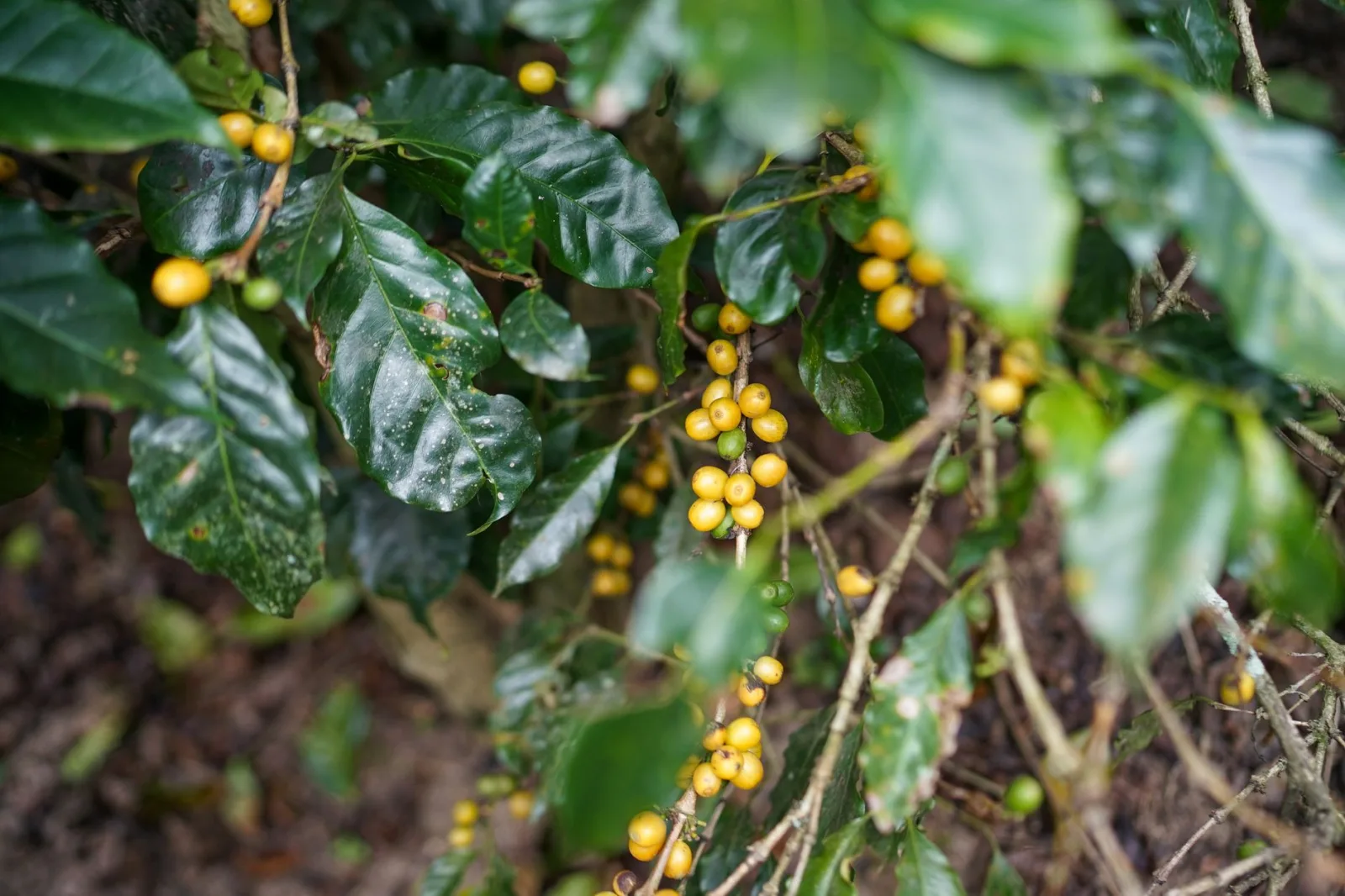
Keep daytime temperatures between 70–80°F and nighttime between 60–65°F. Coffee plants dislike cold; if temperature drops below 55°F, leaves start to brown, curl, and eventually drop. Avoid placing your plant near cold windows, draughty doors, or air conditioning vents in summer.
Soil, Fertilizer, and Repotting
Soil
Grow your coffee plant in organically rich, well-drained soil. Use peat-free loam-based potting compost with added extra organic matter. This combination ensures good drainage while holding enough moisture and nutrients. Avoid heavy garden soil or poor-quality all-purpose mixes; they compact and waterlog easily.
Feeding
During the growing season (spring and summer), apply a balanced liquid feed every two weeks. In winter, reduce feeding as growth slows. A balanced formula—something like 10-10-10 or 5-5-5—supports overall health without pushing excessive leaf growth at the expense of flowers. If you’re feeding every two weeks, don’t use a fertiliser meant for every watering; the strength will accumulate and burn roots.
Repotting
Repot your coffee plant every 2–3 years in spring. Move it into a pot only slightly larger than the current one—no more than 1–2 inches wider. Too much soil without roots to fill it stays wet and invites root rot. Repotting refreshes depleted soil and gives roots room to grow, supporting the plant’s annual 15–30 cm growth.
Common Problems: Brown and Yellow Leaves, Drooping, and Leaf Drop
Brown Leaf Tips and Edges
Brown, crispy tips are frustratingly common and usually signal low humidity. If the soil is moist and temperatures are right, increase misting, use a humidifier, or move the plant to a more humid spot. Alternatively, brown tips can come from tap water minerals accumulating in the soil; flush the pot thoroughly with fresh water. Harsh direct sun also scorches leaves with brown patches; move the plant back from the window.
Underwatering causes crispy, dry brown edges as well. Check if the soil pulls away from the pot sides or feels rock hard; if so, water more frequently and ensure the pot has drainage.
Yellow and Brown Leaves
Yellow leaves that turn brown often suggest roots stayed too wet. Check for soggy soil, root rot (dark, slimy roots), and ensure the pot drains freely. Scale back watering and let the soil dry slightly between waterings. If root rot is severe, repot the plant into fresh soil and trim away rotted roots.
Drooping Leaves
If leaves hang limp, underwatering is usually the cause. The soil will feel dry and may pull from the pot edges. Water thoroughly until water drains from the bottom. In future, water more frequently; coffee plants like consistent moisture. Drooping can also signal cold stress if temperatures have dropped; move the plant to a warmer spot.
Leaf Drop
Leaves drop when temperatures dip below 55°F. Move the plant away from cold windows or draughts and keep it in a consistently warm location. If the soil is moist but leaves are still dropping and the plant isn’t cold, insufficient light is often the culprit. Move it to a brighter location or add a grow light. Sudden changes in environment—moving, draughts, or temperature swings—also cause leaf drop; minimise stress by keeping the plant in one stable spot.
Propagation: Seeds and Cuttings
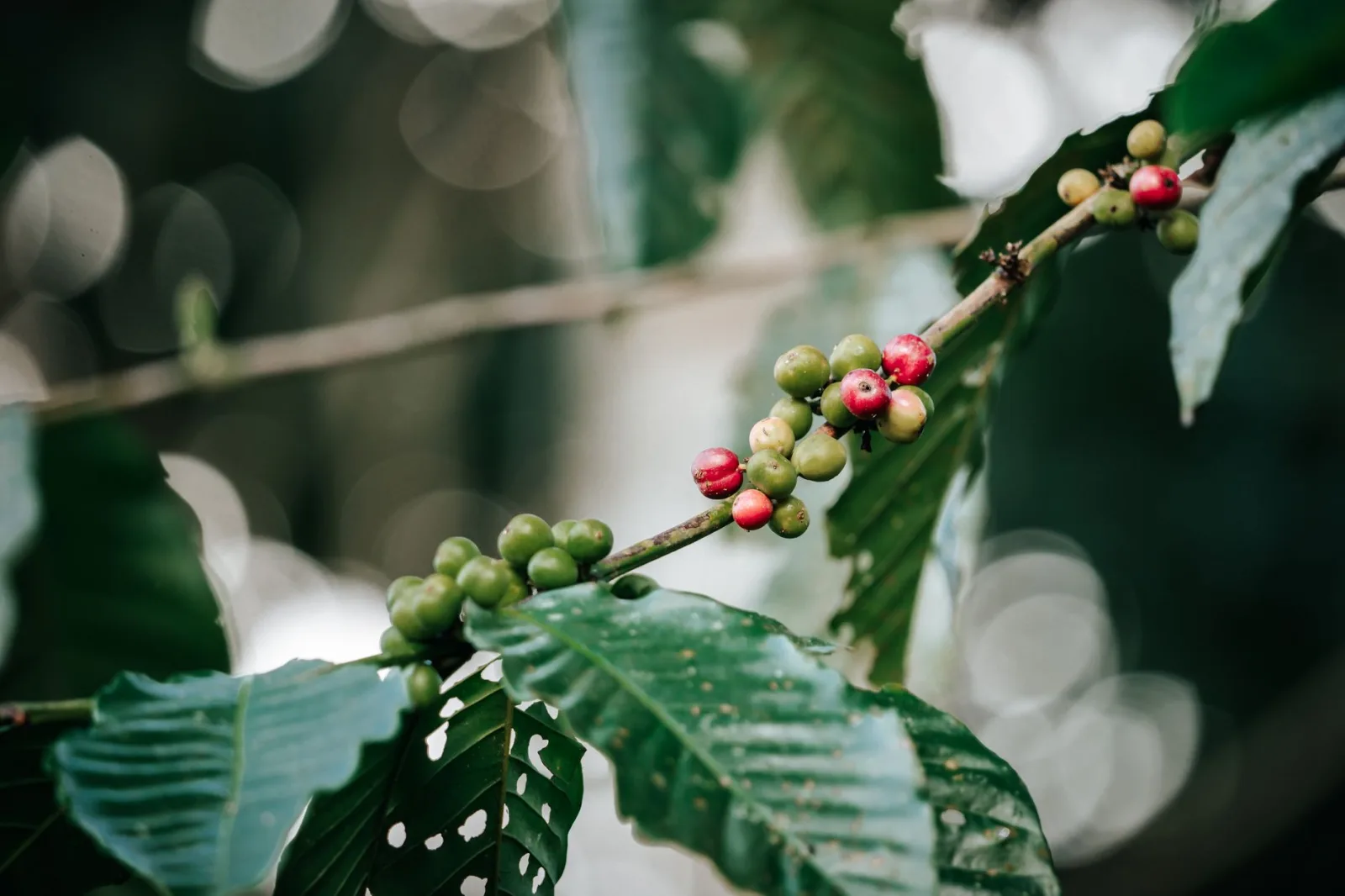
Coffee plants can be propagated through seeds or stem cuttings; stem cuttings are generally easier and produce plants identical to the parent.
Growing from Seed
Propagate by sowing fresh seed, though germination can be erratic. Extract seeds from fresh coffee cherries by removing the pulp, then soak the seeds in water for 24 hours. Plant them about 1/2 inch deep in small pots and keep the soil moist and warm around 70°F. Germination takes up to 4 months or longer with older seeds. Seedlings grow slowly at first but eventually catch up.
Growing from Cuttings
The best time to propagate is spring or early summer. Take cuttings 8 to 10 inches long from healthy, thriving branches. Cut the stem at a 45-degree angle, 4–6 inches long, and remove the lower leaves, leaving only the top set. Dip the cut end in rooting hormone and plant it in well-draining potting mix. Keep the soil warm and lightly moist. New plants typically take 1–2 years to establish before producing flowers or fruit.
Keeping Your Coffee Plant Alive and Healthy
Success with coffee plant care boils down to consistency. Provide strong indirect light, water when the top inch of soil dries, and maintain humidity above 50%. Check temperatures regularly—your plant thrives at 70–80°F during the day and 60–65°F at night. Repot every 2–3 years and feed with balanced liquid fertiliser every two weeks during the growing season.
Your coffee plant will reach flowering age at 3–4 years old, rewarding your patience with clusters of fragrant white flowers followed by red berries. At that point, you’ll know you’ve mastered the basics and can enjoy the full beauty of this tropical plant indoors.
Coffee Plant Toxicity to Pets and Humans
Coffea arabica contains caffeine and theobromine, compounds toxic to dogs, cats, and birds. Ingestion of any part of the plant—leaves, berries, or seeds (coffee beans)—can cause vomiting, diarrhea, elevated heart rate, restlessness, hyperactivity, tremors, and seizures.
If you have pets, place your coffee plant out of reach on a high shelf or in a room they don’t access. If a pet ingests plant material, contact your veterinarian immediately. For humans, the plant poses no risk from casual handling; just wash your hands after touching it and avoid chewing leaves or berries.
FAQ
Why is my coffee plant dying?
The most common culprits are overwatering (leading to root rot), low humidity (causing crispy leaves), or insufficient light (stunting growth and triggering leaf drop). Check soil moisture first—if it’s soggy, reduce watering and ensure drainage. If leaves are crispy despite moist soil, raise humidity. If growth has stalled and leaves look dull, move the plant to a brighter spot.
How do I save a struggling coffee plant?
Diagnose the problem by assessing soil moisture, humidity, light, and temperature. Yellowing leaves turning brown indicate overwatering; repot into fresh, dry soil and water less frequently. Crispy brown tips with otherwise green foliage signal low humidity or mineral buildup; mist regularly and consider flushing the soil. If leaves are dropping but soil is moist, increase light. Always wait to see improvement before making multiple changes at once.
How often should I water my coffee plant?
Water when the top inch of soil feels dry, usually every 1–2 weeks, though frequency varies with season and your home’s conditions. During warm months (spring and summer), you may water every few days; in winter, every 1–2 weeks is typical. The plant prefers consistently moist soil but never soggy conditions.
Is a coffee plant toxic to pets?
Yes. Coffee plants contain caffeine and theobromine, both toxic to dogs, cats, and birds. Ingestion causes vomiting, diarrhea, tremors, and in serious cases, seizures. Keep the plant out of reach of pets.
Can I grow coffee plant from seeds?
Yes, but it’s slower and less reliable than cuttings. Soak fresh seeds in water for 24 hours, plant 1/2 inch deep in moist soil around 70°F, and wait up to 4 months for germination. Cuttings taken in spring or early summer are faster and produce identical plants.
When does a coffee plant start producing flowers?
Coffee plants first flower when they reach 3–4 years old. Flowering requires consistent light, appropriate temperatures, and good overall care; plants kept in dim conditions may never flower indoors.
More about Coffee Plant
Sources
- Coffee Plant Care Guide: Growing Coffea arabica Indoors and Out 🌟 – Healthy Houseplants
- Coffea arabica – Plant Finder
- Coffee Plant Care Indoors (Coffea arabica) – Smart Garden Guide
Photo: Leiliane Dutra / Pexels, Pexels