Coffee Plant Coffea arabica
Is Coffee Plant Toxic to Cats and Dogs? What You Need to Know
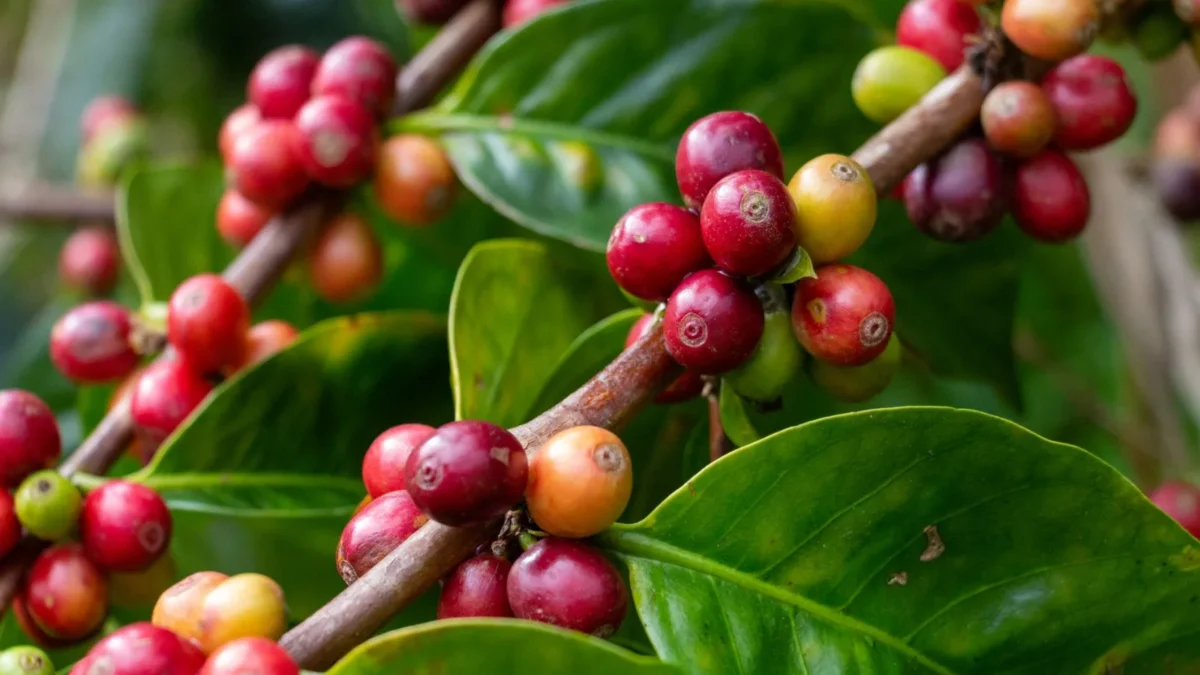
Quick answer: Yes, the coffee plant is toxic to both cats and dogs. The plant contains caffeine and theobromine—the same compound found in chocolate—both of which can cause serious harm to pets. Any part of the plant, including leaves, stems, and seeds, is dangerous if ingested.
| Botanical name | Coffea arabica |
|---|---|
| Light | Strong indirect light; tolerates bright sunny windows; avoid harsh direct sun to prevent leaf scorch |
| Watering | Water when top inch of soil feels dry, usually 1-2 weeks; keep soil consistently moist but not soggy |
| Humidity | Moderate to high humidity; >50% preferred for best appearance |
| Temperature | Daytime 70-80°F, nighttime 60-65°F; avoid temperatures below 55°F to prevent leaf drop |
| Soil | Organically rich, well-drained loam-based potting compost with added organic matter |
| Feeding | Balanced liquid feed every two weeks during growing season; water moderately in winter |
| Size | Indoor: 1-2 m over 5-10 years; grows 15-30 cm per year under good light |
| Difficulty | moderate |
Why Coffee Plants Are Toxic to Pets
Coffea arabica contains caffeine and theobromine, compounds that are genuinely harmful to cats and dogs. Your pet’s body cannot metabolize these substances the way humans do, making even small amounts potentially dangerous.
If your cat or dog chews or swallows any part of the plant, they may experience vomiting, diarrhea, elevated heart rate, restlessness, hyperactivity, tremors, and in serious cases, seizures. Symptoms can develop within hours of ingestion.
What to Do If Your Pet Ingests the Plant
If you suspect your cat or dog has eaten any part of your coffee plant, contact your veterinarian or the ASPCA Animal Poison Control Center immediately. Don’t wait to see if symptoms appear—prompt professional advice could prevent serious complications.
Provide as much information as you can: when you think the plant was eaten, which part of the plant (leaf, stem, or seed), and your pet’s size and age. This helps your vet assess the risk and recommend treatment.
Growing Coffee Plants Safely Around Pets
If you have pets, place your coffee plant in a location they cannot reach—a high shelf, locked cabinet, or dedicated plant room. Even with the best care routine and a healthy, low-maintenance plant, keeping it out of reach is the only reliable way to prevent accidental poisoning.
Choose pet-safe houseplants as alternatives if you’re concerned about your home environment. If you decide to keep a coffee plant, the responsibility lies entirely with you to manage access and monitor your pets carefully.
Read the full guide: Coffee Plant Care: The Complete Guide
More about Coffee Plant
The same problem in other plants
- Is Amaryllis Toxic to Cats and Dogs?
- Is Orange Bird of Paradise Toxic to Cats and Dogs?
- Is Baby Tears Safe for Cats and Dogs?
- Is Pencil Cactus Toxic to Dogs and Cats?
Sources
- Is Coffea arabica Toxic to Dogs and Cats?
- My dog ate Coffee Plant — Toxic: What to Do
- Are Coffee Plants Toxic to Cats? Vet-Approved Facts & FAQs
Photo: Silvana Palacios / Pexels, Pexels