Coffee Plant Coffea arabica
Why Are My Coffee Plant Leaves Turning Brown and Crispy?
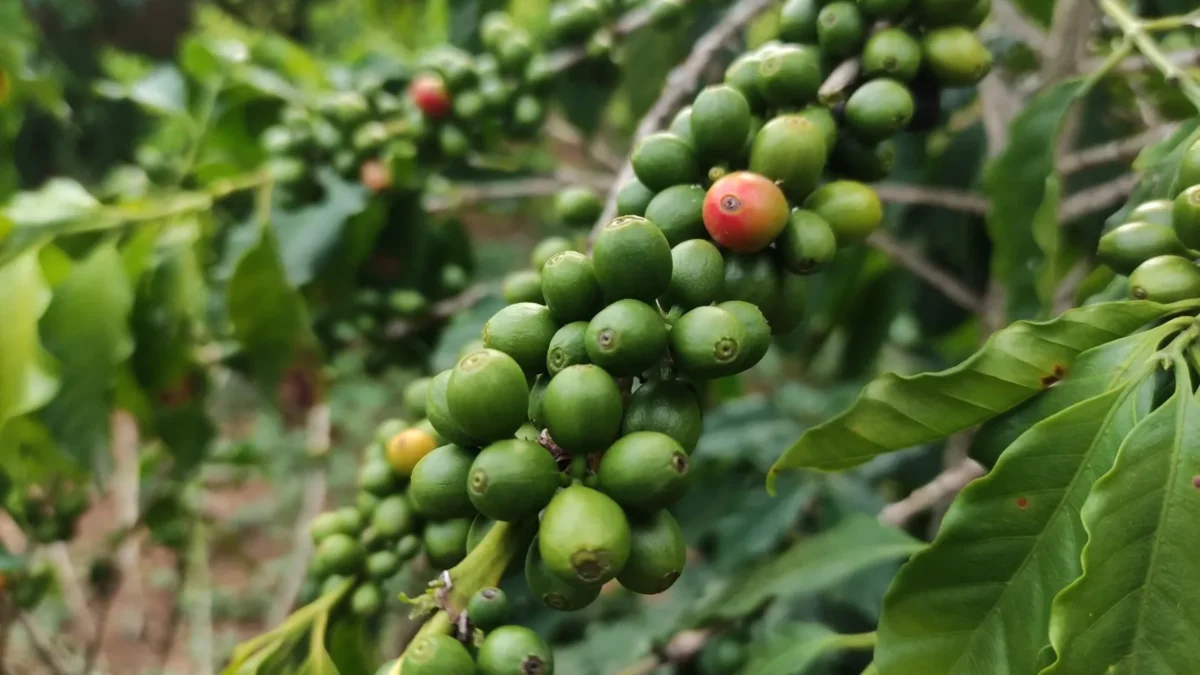
Quick answer: Brown, crispy coffee plant leaves are usually caused by low humidity, underwatering, mineral buildup in tap water, or exposure to direct sun. Each has a different fix, and once you know which one is affecting your plant, recovery is straightforward.
| Botanical name | Coffea arabica |
|---|---|
| Light | Strong indirect light; tolerates bright sunny windows; avoid harsh direct sun to prevent leaf scorch |
| Watering | Water when top inch of soil feels dry, usually 1-2 weeks; keep soil consistently moist but not soggy |
| Humidity | Moderate to high humidity; >50% preferred for best appearance |
| Temperature | Daytime 70-80°F, nighttime 60-65°F; avoid temperatures below 55°F to prevent leaf drop |
| Soil | Organically rich, well-drained loam-based potting compost with added organic matter |
| Feeding | Balanced liquid feed every two weeks during growing season; water moderately in winter |
| Size | Indoor: 1-2 m over 5-10 years; grows 15-30 cm per year under good light |
| Difficulty | moderate |
| What you see | Likely cause | What to do |
|---|---|---|
| Brown, crispy tips and edges; rest of leaf looks healthy | Low humidity or tap water minerals | Mist regularly, increase humidity to above 50%, or switch to rainwater |
| Uniform brown crispness; drooping leaves; dry soil | Underwatering | Water when top inch of soil feels dry, usually every 1–2 weeks |
| Brown spots scattered on leaves; scorched appearance | Direct sun exposure | Move to bright indirect light; ensure dappled, not harsh sun |
| Yellow leaves turning brown; soil stays wet; roots smell sour | Overwatering and root rot | Let soil dry slightly between waterings; check pot drainage; repot if roots are dark and slimy |
| Brown, curled leaves; plant otherwise healthy | Cold temperature | Move away from cold drafts; keep daytime temperature at 70–80°F |
Humidity: The Most Common Cause of Crispy Edges
Coffee plants need humidity of above 50% to look their best, and low humidity causes moisture to evaporate from leaves faster than the roots can replace it, resulting in classic brown, crispy leaf tips and edges, even if you water perfectly. This is especially common in winter when heating dries the air indoors, or in naturally arid climates.
To raise humidity, mist your plant 2–3 times a week, group it near other plants, or place the pot on a tray with pebbles and water (keep the pot above water level so roots don’t sit wet). A humidifier in the room works too.
Watering: Finding the Right Balance
Water your coffee plant when the top inch of soil feels dry, which usually means watering once or twice a week, but frequency can vary based on environmental conditions. During the warm growing season, you may need to water more often; in winter, water every 1–2 weeks, and every few days in summer.
Underwatering causes crispy, dry brown edges, while if water isn’t allowed to drain or dry out enough between waterings, your coffee plant may be at risk of root rot, with browning leaves as a sign that the soil is staying too moist. The difference matters: underwatered leaves are papery and curl inward, while overwatered leaves often turn yellow first, then brown, and dark and slimy roots are a sign of root rot.
Coffee plants prefer slightly acidic water; if tap water is hard or alkaline, consider using rainwater or distilled water; avoid using softened water due to its salt content. Hard water minerals cause crispy brown tips on otherwise healthy leaves, so switching to rainwater often fixes this within a few weeks.
Light and Temperature
The coffee plant needs strong indirect light and will scorch in harsh direct sun, quickly developing brown leaf spots and edges. Place it close to a bright window with a few hours of gentle morning sun; an east-facing window is often ideal. Avoid windowsills where afternoon sun beats directly through glass.
If the temperature drops below 55°F (13°C), the leaves will start to brown and curl. Keep your plant in daytime temperatures of 70–80°F and nighttime temperatures of 60–65°F, away from cold drafts or heating vents.
How to Prevent Brown, Crispy Leaves
Check the top inch of soil twice a week with your finger; this is faster than guessing. Use peat-free loam-based potting compost with added extra organic matter, and ensure the pot has drainage holes. Repot every 2–3 years in spring to refresh the soil and prevent mineral accumulation. Mist or group your plant with others to maintain humidity naturally, and monitor light—if leaves are dark green but not growing, move the plant a few feet closer to a bright window.
Read the full guide: Coffee Plant Care: The Complete Guide
More about Coffee Plant
The same problem in other plants
- How to Fix Brown Tips and Browning Leaves on Amaryllis
- ZZ Plant Leaves Turning Brown: Causes and Solutions
- Why Are My Baby Tears Leaves Turning Brown?
- Why Are My Bamboo Palm Leaves Turning Brown and Dry?