Croton Codiaeum variegatum
Croton Care: The Complete Guide to Growing Colorful Crotons Indoors
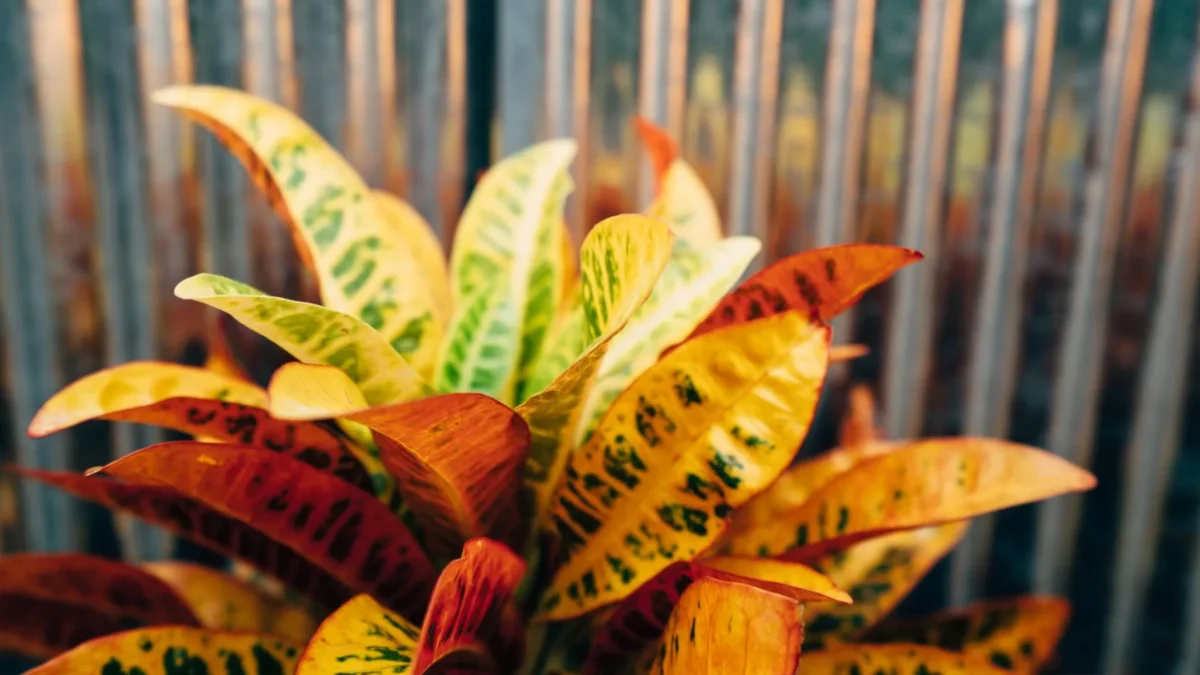
Croton care revolves around recreating the plant’s tropical roots: bright indirect light, consistent warmth, high humidity, and careful watering. These dramatic houseplants are moderately demanding but reward close attention with vivid, ever-changing foliage. This guide covers everything you need to know to keep your croton thriving.
| Botanical name | Codiaeum variegatum |
|---|---|
| Light | Bright indirect light; tolerates medium light but loses vibrant color; avoid full summer sun to prevent scorching |
| Watering | Water every 5-7 days spring/summer, 7-14 days fall/winter when top inch of soil is dry; use filtered or rainwater at roo |
| Humidity | 60-80% humidity; high humidity essential to prevent leaf drop and maintain foliage vibrancy |
| Temperature | 60-80°F (15-27°C) optimal; keep warm; below 50°F causes leaf drop; avoid cold drafts and sudden temperature changes |
| Soil | Peat-free, loam-based potting compost; acidic soil preferred; ensure good drainage to prevent waterlogging |
| Feeding | Monthly with liquid houseplant food diluted to half strength during spring and summer growing season |
| Size | 30-90 cm (1-3 ft) tall as a houseplant |
| Difficulty | moderate |
Key points
- Botanically Codiaeum variegatum, croton needs bright but indirect light to keep its colorful leaves vibrant
- Water every 5-7 days in spring and summer when the top inch of soil is dry, and every 7-14 days in fall and winter
- Keep humidity high, ideally 60-80%, to match its tropical native habitat
- Maintain warmth between 60-85°F; below 50°F the plant drops leaves with no cold-hardening ability
- Toxic to cats, dogs, and horses per the ASPCA — keep out of reach of pets
- Propagates reliably from stem cuttings, usually rooting in 4-6 weeks
Light Requirements for Croton
Crotons need bright but indirect light to keep their leaves at their most colorful. In insufficient light, the vivid reds, oranges, and yellows fade back toward green, and leaves may drop. Too much direct, intense summer sun through glass can scorch the foliage.
Aim for 6 or more hours of bright light a day — this produces the most vibrant color and the most compact growth. A spot a few feet back from a bright south- or west-facing window usually strikes the right balance.
Watering Your Croton
Water a croton every 5-7 days during spring and summer, once the top inch of soil has dried out, and stretch this to every 7-14 days in fall and winter. The goal is consistent moisture, not constantly wet or bone-dry soil — the single biggest watering mistake is letting the plant dry out completely between waterings.
Use the finger test: push a finger about an inch into the soil. If it’s dry, water thoroughly; if it’s still moist, wait two to three days and check again. Always make sure the pot has good drainage so water doesn’t sit around the roots.
Water quality matters too — crotons prefer rainwater or filtered water at room temperature. Cold tap water straight from the faucet is a notable trigger for leaf drop, so let tap water sit out overnight before using it.
Humidity and Temperature
Humidity
Crotons thrive in high humidity, ideally 60-80%, which mirrors their tropical origin and keeps the foliage looking its best. Low humidity shows up as brown, crispy leaf tips. A room humidifier or a pebble tray is the most reliable way to raise humidity meaningfully.
Temperature
Keep croton warm, between 18-35°C (65-95°F), with an optimal daytime range of 70-80°F (21-27°C) and nights no cooler than 60°F (15°C). Below 50°F the plant has no cold-hardening mechanism and will drop leaves, unlike many houseplants that gradually adjust to cooler conditions. Keep it away from cold drafts near windows, doors, and air-conditioning vents.
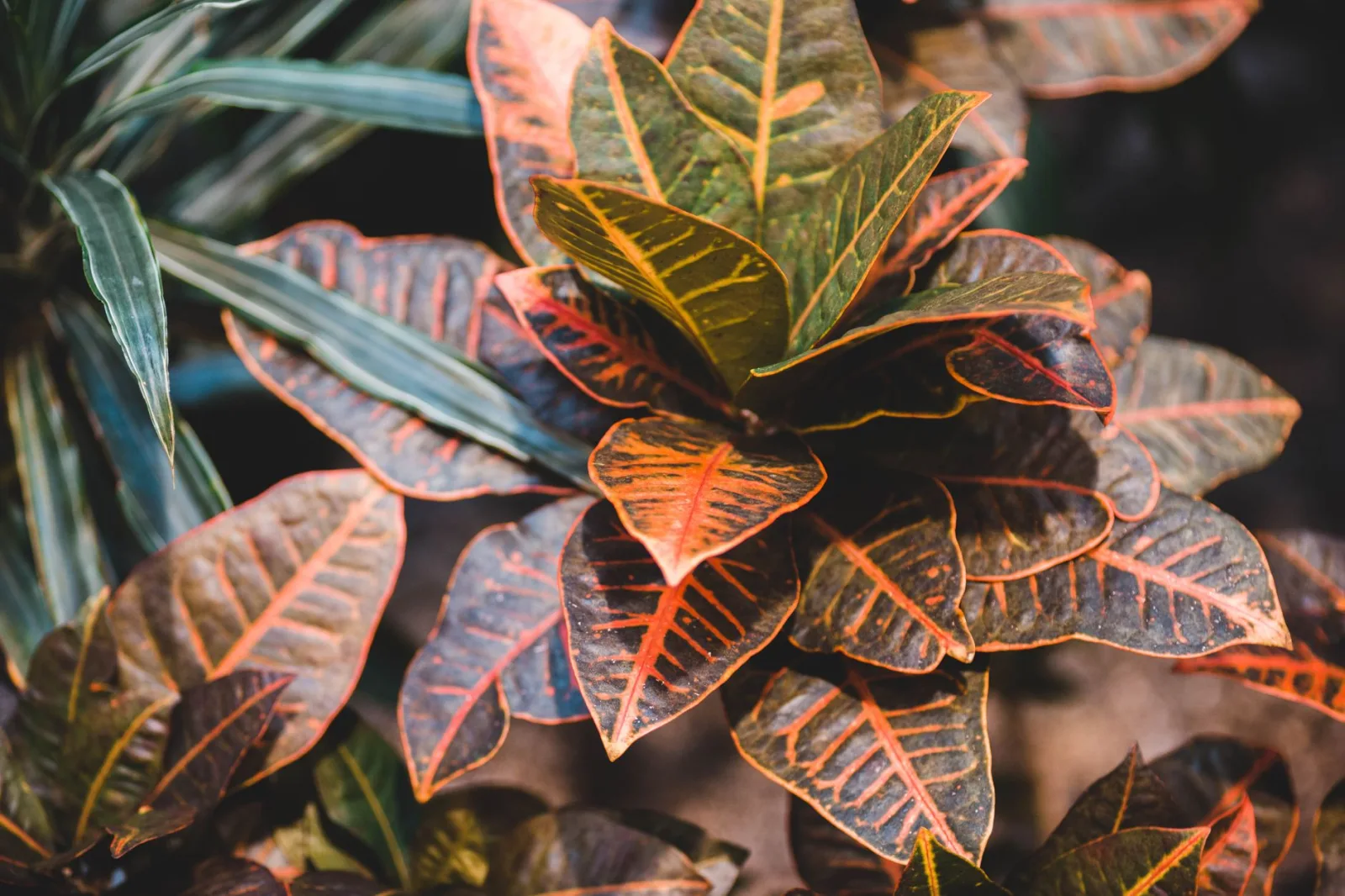
Soil and Repotting
Grow croton in peat-free, loam-based potting compost, ideally on the acidic side. Good drainage is essential to avoid the root rot that comes with soggy soil.
Crotons can usually stay in their original pot for a year or two. Once roots become crowded, repot in spring into a container just one size larger — avoid jumping to a much bigger pot.
Feeding
During the spring and summer growing season, fertilize monthly with a liquid houseplant food diluted to half strength. Hold off on feeding in fall and winter, when growth slows. Too much fertilizer causes a buildup of soluble salts that can make leaves wilt and drop, so stick to the half-strength dose.
Pruning and Handling
Croton sap is a latex-like irritant, so wear gloves when pruning or handling cuttings — it can irritate skin and eyes. To reduce legginess, cut back leggy stems to about 10cm and dust the cut wounds with powdered charcoal to limit bleeding sap.
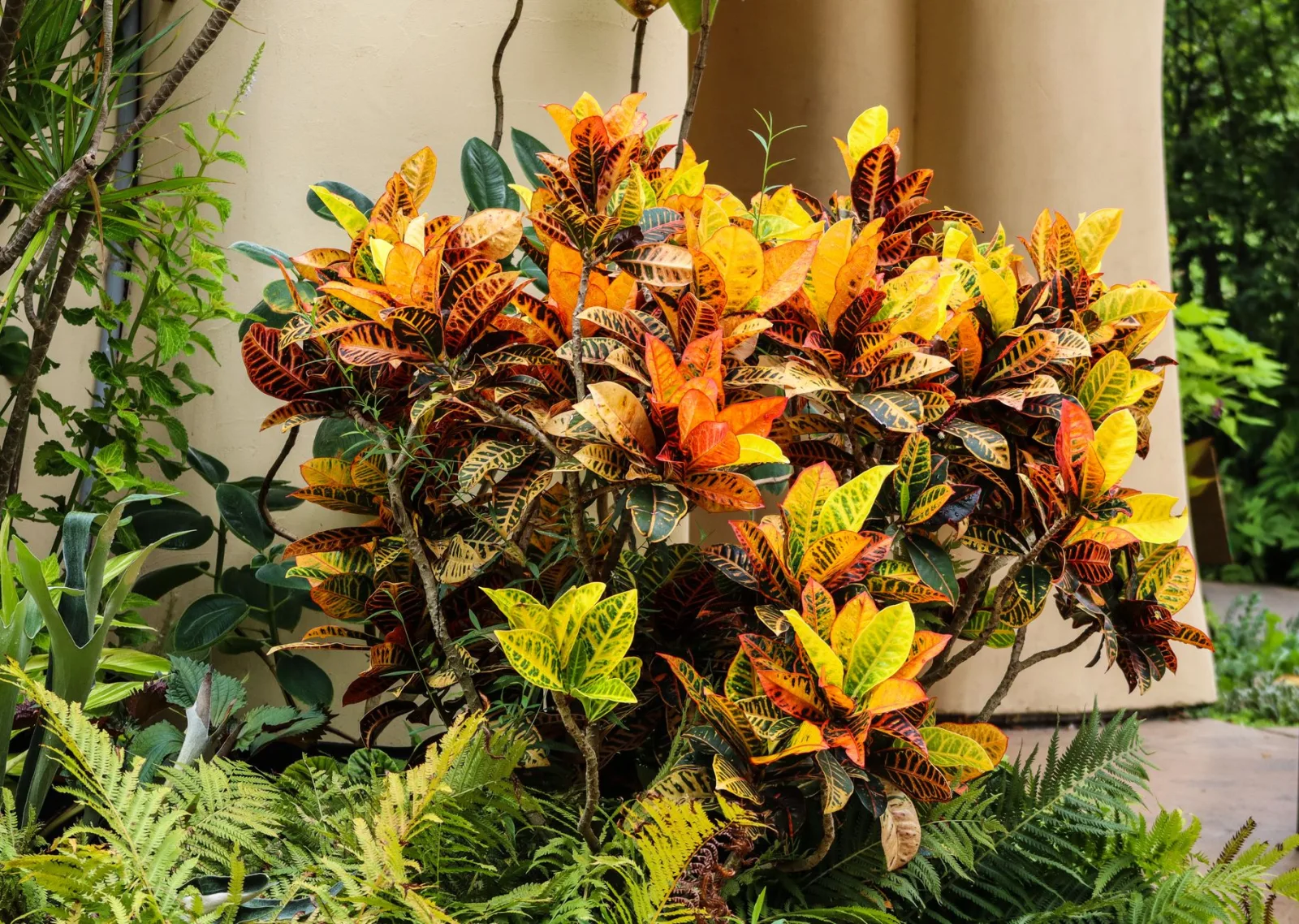
How to Propagate Croton
Croton propagates best from stem cuttings taken in spring or summer, and typically roots in 4-6 weeks. Cut a 10-15cm (4-6 inch) section just below a node, using clean, sharp scissors, and leave one or two leaves on it. Remove any leaves from the bottom 5cm (2 inches) so they don’t rot once in water or soil.
Water propagation: Place the cut end in a glass of room-temperature water, keeping the leaves above the waterline, and change the water every three days. Move the cutting to soil once roots reach 2-3cm (about an inch) long.
Soil propagation: Dip the cut end in rooting powder (optional) and push it 3-4cm into damp potting mix, or plant in moist perlite or sphagnum moss and cover with a humidity dome to hold moisture in.
It’s normal for cuttings to drop some or all of their leaves after being taken — this is a stress response, not a sign of failure, as long as the stem stays firm and green. Check for root development by feeling for gentle resistance in the mix rather than pulling the cutting out to look. Note that a leaf alone, without any stem or bud, will root but never grow into a new plant.
Common Problems and Solutions
Yellow, mushy lower leaves with a sour soil smell: This points to root rot, the most common croton killer, usually from overwatering. Let the soil dry out, trim away blackened roots, and repot into fresh, well-draining mix.
Dry, crisp, yellowing leaves: If the soil is powdery dry, underwatering is the likely cause. Resume a consistent watering schedule using the finger test above.
Leaves losing their bright color, fading to green: Usually a light problem — move the plant to a brighter spot, while avoiding scorching direct summer sun.
Leaf drop after a cold draft: Yellow leaves with blotchy brown patches that appear after exposure to a cold window or AC vent point to temperature stress. Relocate the plant away from drafts and heating/cooling vents.
Leaf drop after bringing a new plant home: This is usually transplant shock as the plant adjusts to its new environment — it’s normal, and new growth typically resumes within three to four weeks.
FAQ
Is croton toxic to cats and dogs?
Yes. The ASPCA classifies croton as toxic to cats, dogs, and horses. All parts of the plant contain irritating compounds that can cause drooling, vomiting, diarrhea, and loss of appetite if chewed or swallowed. If your pet eats part of a croton, contact your vet or the ASPCA Animal Poison Control Center right away.
Why is my croton dropping leaves?
The most common causes are underwatering, overwatering, cold drafts, low humidity, or transplant shock after a recent move. Check soil moisture and temperature first, since those are the two most frequent culprits.
How much light does a croton really need?
As much bright, indirect light as you can give it — six or more hours a day produces the most vivid color. Too little light fades the colors toward green; too much direct sun scorches the leaves.
How often should I repot my croton?
Only every year or two, once roots become visibly crowded — move up just one pot size at a time.
More about Croton
Sources
- Codiaeum / RHS Plant Guide
- How Often to Water a Croton (Research-Backed 2026)
- Croton Plant Care Guide: Growing Tips for Vibrant Foliage 🌟 – Healthy Houseplants
Photo: Markus Winkler / Pexels, Pexels